Living With Hard Water: How the Right Water Softener Can Make Your Home Easier to Maintain
There’s something particularly annoying about cleaning a bathroom until it sparkles, only to find white marks creeping back around the faucets a few days later. The shower door looks cloudy again, your kettle has developed another crusty layer, and even freshly washed glasses don’t seem completely clean. If this sounds familiar, hard water could be […]
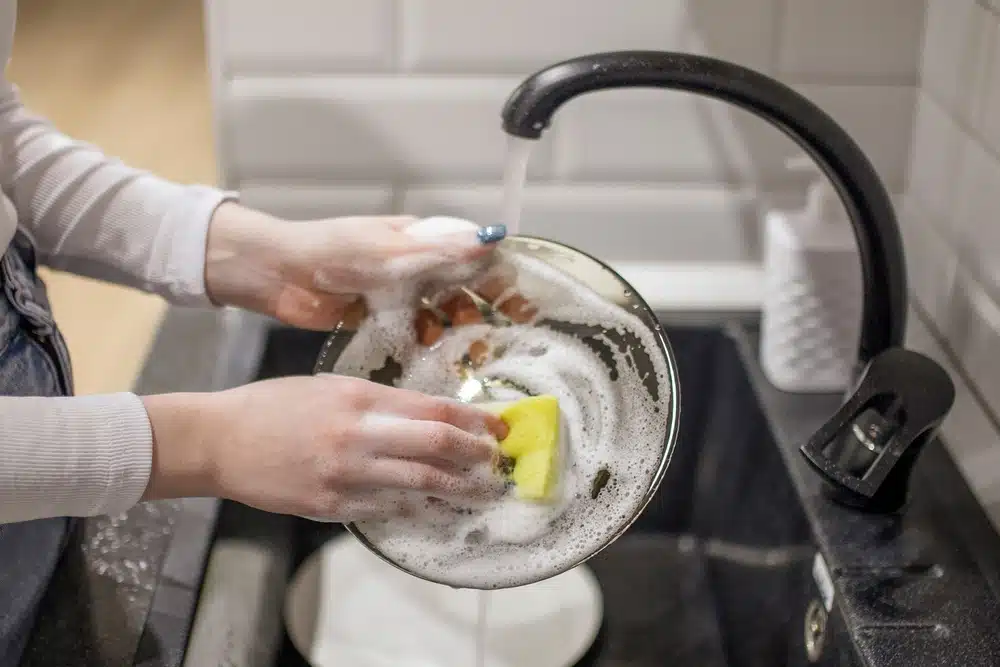
There’s something particularly annoying about cleaning a bathroom until it sparkles, only to find white marks creeping back around the faucets a few days later. The shower door looks cloudy again, your kettle has developed another crusty layer, and even freshly washed glasses don’t seem completely clean.
If this sounds familiar, hard water could be responsible.
Hard water contains naturally occurring minerals that can create frustrating household maintenance problems. Although it generally isn’t considered a health hazard, its effects can show up in everything from your laundry routine to the performance of your water heater.
The good news? You don’t necessarily have to keep scrubbing the same deposits every weekend. Understanding the problem and choosing suitable treatment equipment can make everyday household tasks noticeably easier.
Why Hard Water Causes So Many Household Problems
Water collects minerals as it travels through underground soil and rock. Calcium and magnesium are the primary minerals responsible for hardness, and their concentrations vary depending on local geological conditions and water sources.
Choosing appropriate water treatment for hard water begins with measuring these mineral concentrations rather than relying entirely on visible symptoms.
A water hardness test can help determine whether your household supply is slightly, moderately, or excessively hard.
Common signs include:
- White deposits around faucets and showerheads.
- Cloudy residue on dishes and glassware.
- Reduced soap and shampoo lather.
- Mineral accumulation inside kettles and water heaters.
- Frequent cleaning of bathroom surfaces.
While these problems might seem minor individually, dealing with them repeatedly can become exhausting.
And there’s another consideration. When hard water is heated, certain minerals can form scale inside water-heating equipment, potentially increasing maintenance requirements and affecting efficiency.
Understanding your water hardness gives you a sensible starting point for preventing these problems.
News contextWhen Clean Water Actually Tastes Good: A Closer Look at Modern Filtration at Home
How Water Softening Actually Works
Water softeners don’t simply trap minerals like an ordinary sediment filter. Conventional systems use a process called ion exchange.
Inside the equipment, specialized resin captures calcium and magnesium ions, exchanging them for sodium or potassium ions depending on the system’s design.
Modern softening systems for household water are designed to reduce hardness minerals before treated water travels through the home’s connected plumbing.
As the resin becomes exhausted, the equipment regenerates using a salt solution to restore its capacity.
Some systems regenerate according to a preset schedule, while demand-initiated models use water consumption information to determine when regeneration is needed.
Both arrangements can be effective when appropriately selected and maintained.
However, water softening doesn’t remove every contaminant. If your water contains particular dissolved chemicals, microorganisms, or unpleasant odors, additional treatment may be necessary.
That’s why testing remains important even when hardness appears to be the most obvious concern.
Finding a Softener That Fits Your Home and Lifestyle
Choosing a water softener can feel surprisingly confusing. You’ll encounter different capacities, regeneration technologies, installation configurations, and maintenance requirements.
When comparing water softener options for homeowners, think about how much water your household actually uses rather than choosing equipment based solely on advertised capacity.
A family with several bathrooms and frequently operated appliances will probably have different requirements from someone living alone.
News contextMaking Home Water Care Easier: From Salt Delivery to Reliable Service
Other important considerations include incoming hardness, peak water demand, available installation space, salt consumption, and regeneration efficiency.
Professional sizing can help ensure the system meets household demand without unnecessary expense.
It’s also worth discussing installation requirements before purchasing.
Some homes have limited utility space, while others may require plumbing modifications or additional drainage arrangements.
Ask about warranty coverage, replacement components, maintenance costs, and expected operating expenses.
A reliable system should be practical to own, not simply impressive on paper.
The Difference Softer Water Can Make in Everyday Life
One of the most noticeable benefits of softer water is reduced formation of new hardness-related scale.
That can mean less mineral accumulation around faucets, showerheads, and other household surfaces.
Soap and detergent also generally perform more effectively in softened water, potentially making cleaning and laundry less demanding.
Think about washing your favorite black shirt. Excessive hardness can contribute to unwanted mineral residue, leaving fabrics looking less fresh than expected.
News contextWhy Clean Water at Home Is More Than a Luxury — It’s a Quiet Necessity
Softer water may help reduce that particular frustration.
In kitchens, reducing hardness can also limit scale formation inside kettles and water-heating equipment.
Of course, existing deposits won’t necessarily disappear immediately after installation. Established scale may require separate cleaning.
And water softening won’t eliminate every kind of spotting, particularly when other dissolved substances remain present.
Realistic expectations make it easier to appreciate the improvements a suitable system can provide.
Don’t Forget About Drinking Water Quality
A water softener and a drinking water filter aren’t interchangeable.
Softening addresses hardness minerals, while technologies such as activated carbon and reverse osmosis can reduce selected unwanted substances in water used for drinking and cooking.
Municipal water customers can review their utility’s water quality reports.
Private well owners should arrange appropriate laboratory testing for bacteria, nitrates, and other locally relevant contaminants.
If someone in your household follows a medically prescribed sodium-restricted diet, discuss the sodium introduced by conventional softening with an appropriate professional.
Some households also choose to maintain a separate unsoftened drinking water supply.
News contextBetter Water From Every Faucet: Why Whole-House Filtration Is Worth Considering
Keep Your Water Softener Working Properly
Even a well-designed softener needs regular attention.
Check salt levels, follow manufacturer cleaning recommendations, and investigate unusual changes in treated water hardness.
Periodic testing can help confirm whether the equipment is performing as expected.
Maintaining a simple servicing record is useful, especially when you’re trying to identify why familiar mineral deposits have started returning.
Make Hard Water One Less Household Frustration
Hard water might not be the most dramatic household problem, but its effects can become surprisingly irritating over time.
Fortunately, managing it doesn’t have to involve complicated decisions.
Start with reliable hardness testing, understand your household’s water requirements, and choose equipment suited to those conditions.
You may still need to clean the bathroom on weekends. Unfortunately, no water softener can eliminate that chore completely.
But spending less time fighting stubborn mineral deposits? That’s a practical improvement most homeowners would happily welcome.