Better Water From Every Faucet: Why Whole-House Filtration Is Worth Considering
There’s a good chance you’ve thought about filtering your drinking water, especially if your tap water occasionally tastes unpleasant. But have you ever considered the water flowing through your shower, washing machine, or bathroom faucets? These everyday connections to your water supply deserve attention, too. Having access to whole-home filtered water can help address specific […]
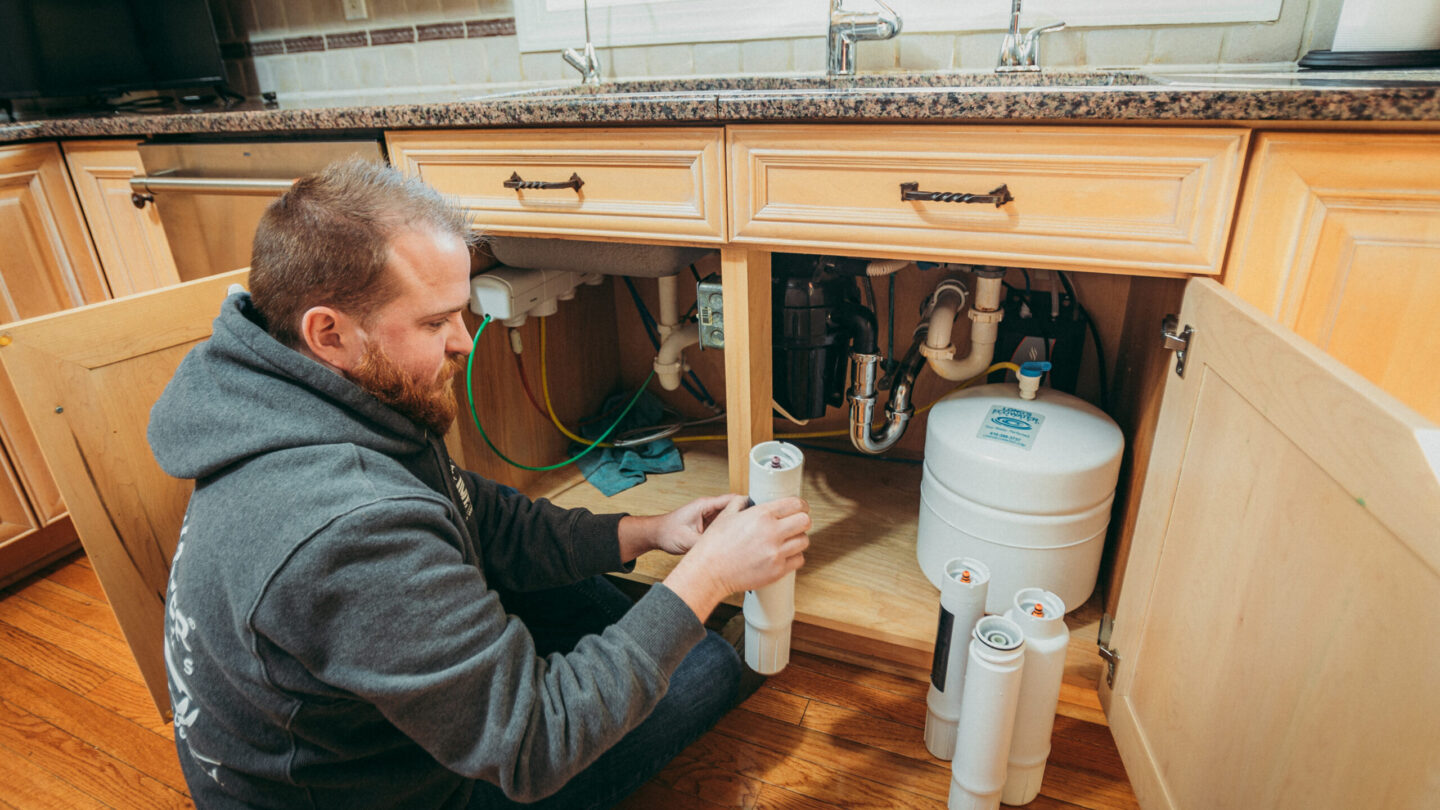
There’s a good chance you’ve thought about filtering your drinking water, especially if your tap water occasionally tastes unpleasant. But have you ever considered the water flowing through your shower, washing machine, or bathroom faucets? These everyday connections to your water supply deserve attention, too.
Having access to whole-home filtered water can help address specific water quality concerns throughout connected areas of your property, making everyday routines more comfortable and convenient.
For homeowners across Virginia and Maryland, centralized filtration offers an alternative to maintaining several individual filters around the house. Before investing in equipment, however, it’s worth understanding how this approach works and what makes certain treatment technologies more suitable than others.
Looking Beyond the Water You Drink
Think about everything you did with water yesterday. Perhaps you washed a load of laundry, prepared dinner, took a shower, and cleaned the kitchen countertops without giving your water supply much thought.
Now imagine dealing with visible sediment, unpleasant odors, or stubborn mineral deposits during each of those activities.
Water quality concerns can influence household comfort and maintenance in ways that aren’t immediately obvious.
Suspended particles may collect inside faucet aerators, while certain substances can contribute to objectionable smells. Excessive hardness can leave mineral deposits on fixtures and inside appliances.
Although these concerns require different treatment methods, addressing them near the main water supply connection can offer considerable convenience.
Treating Water Before It Travels Through Your Home
Most individual water filters treat water at a specific location, such as the kitchen faucet. Centralized filtration takes a different approach by addressing incoming water before it reaches connected household fixtures.
Properly designed point-of-entry water filtration solutions can incorporate several treatment technologies according to the property’s specific water characteristics.
Sediment filtration helps capture suspended materials such as sand, silt, and rust. Activated carbon can reduce certain unwanted tastes, odors, and contaminants.
Additional specialized treatment may be appropriate when testing identifies concerns involving iron, excessive hardness, or microorganisms.
The advantage of this arrangement is that homeowners can address multiple connected areas through a centralized installation.
However, effective treatment depends on selecting appropriate technologies rather than simply installing equipment marketed as an all-purpose solution.
Finding Equipment That Matches Your Household’s Demands
A filtration system that works perfectly in a small apartment might struggle to accommodate a busy family home with several bathrooms.
When comparing whole-home water filter systems, consider peak water consumption, incoming water pressure, measured water quality, available installation space, and maintenance requirements.
Imagine a weekday morning when two showers are running, breakfast dishes need washing, and someone has already started the washing machine.
Your filtration equipment needs sufficient capacity to handle these simultaneous demands.
Undersized equipment may restrict water flow or require frequent maintenance. Unnecessarily large equipment, meanwhile, could increase purchasing expenses without offering meaningful additional benefits.
Getting the balance right is particularly important if you want treatment equipment that operates conveniently behind the scenes.
Understanding the Difference Between Filtration and Softening
One common misunderstanding is that installing a household water filter will automatically eliminate those chalky deposits around bathroom faucets.
Unfortunately, conventional sediment and carbon filtration generally doesn’t remove dissolved calcium and magnesium, the minerals responsible for water hardness.
If you’re constantly descaling your kettle or scrubbing cloudy shower doors, traditional water softening may deserve consideration.
News contextWhen Clean Water Actually Tastes Good: A Closer Look at Modern Filtration at Home
Some properties benefit from combining softening and filtration because they experience several different water quality concerns.
The important thing is understanding what each technology accomplishes.
There’s little point in purchasing equipment intended to improve water taste when your biggest frustration is excessive mineral buildup.
Reliable water testing can help clarify which treatment approach makes the most sense.
Enjoying Everyday Comfort With Less Complicated Maintenance
Household improvements don’t always need to be dramatic to provide genuine value.
Depending on your original water conditions and selected treatment equipment, centralized filtration may help reduce visible particles and certain unpleasant odors during ordinary household activities.
When appropriate softening is included, homeowners may also experience fewer hardness-related deposits and improved soap performance.
There’s another practical advantage worth considering. Maintaining equipment in one location can be easier than remembering replacement schedules for multiple individual filters.
For busy households, simplifying these little responsibilities matters.
And while water treatment won’t eliminate every plumbing or cleaning concern, addressing specific water quality problems can certainly make daily life more manageable.
What to Know Before Investing in a Filtration System
Before making a purchase, arrange appropriate testing to understand what’s actually present in your water.
Municipal water customers can review available supplier reports, while private well owners should arrange property-specific laboratory testing.
Ask about verified contaminant reduction capabilities, replacement filter costs, installation requirements, and recommended servicing intervals.
Maintenance accessibility is another detail that’s surprisingly easy to overlook. Make sure there’s sufficient room to replace cartridges or service equipment comfortably.
Once installed, follow manufacturer recommendations and investigate unexpected changes in water pressure, appearance, or taste.
Periodic testing remains particularly important when treatment equipment is intended to address potentially harmful contaminants.
Remember that clearer water doesn’t automatically mean safer drinking water.
Making Better Water Part of a Comfortable Home
Improving household water quality begins with understanding your supply and choosing equipment that addresses genuine concerns.
A carefully selected centralized filtration system can simplify maintenance and improve certain aspects of everyday water usage without requiring significant lifestyle changes.
After all, the comfort of a home often comes down to ordinary experiences. A relaxing shower, a freshly prepared meal, or simply turning on a faucet without encountering an unpleasant surprise.
Better water may not be the most glamorous household improvement, but its value is something you can appreciate every single day.