Understanding Water Quality: How to Deal With Stains, Unpleasant Taste, and Mineral Buildup
Water is one of those things most of us take for granted until something seems wrong. Maybe the glasses coming out of the dishwasher look cloudy, the bathroom fixtures have stubborn reddish marks, or a glass of tap water tastes strange even though it looks perfectly clear. These small frustrations can make everyday routines less […]
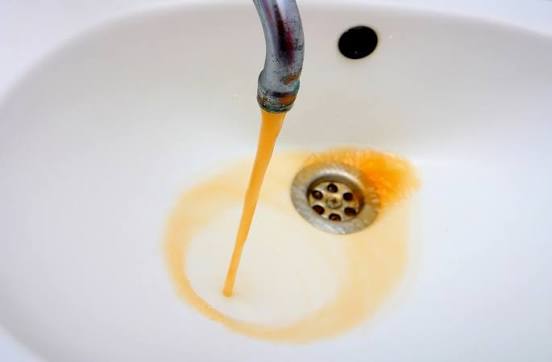
Water is one of those things most of us take for granted until something seems wrong. Maybe the glasses coming out of the dishwasher look cloudy, the bathroom fixtures have stubborn reddish marks, or a glass of tap water tastes strange even though it looks perfectly clear. These small frustrations can make everyday routines less enjoyable, and they may point to an underlying water quality issue.
The good news is that many common water problems can be identified and managed with the right information. Instead of buying the first filter you see or trying one home remedy after another, it helps to understand what’s actually in your water. A little investigation can save money, protect household appliances, and make water more pleasant to use throughout the home.
Why Water Quality Deserves Your Attention
Water quality affects more than drinking. It influences how well soap lathers, how laundry feels, how long plumbing fixtures last, and whether household appliances develop deposits over time. Some issues are mostly cosmetic, while others deserve closer attention because they can affect health or indicate a problem with the water supply.
Municipal water is generally treated and monitored, but its characteristics can still vary depending on the source, distribution system, and plumbing within a property. Private well owners have a different responsibility because they typically need to arrange appropriate testing themselves. In either case, appearance alone doesn’t tell the whole story. Clear water isn’t necessarily free of contaminants, and water with a noticeable taste isn’t automatically unsafe.
Understanding Mineral Buildup Around the House
One of the most common household water concerns is hard water, which contains elevated levels of dissolved minerals, mainly calcium and magnesium. These minerals occur naturally as water passes through soil and rock. They’re not usually considered a health concern at typical drinking-water concentrations, but they can create plenty of practical annoyances.
The signs are familiar to many homeowners. White deposits form around faucets, showerheads become clogged, and soap leaves a film on shower doors. Clothes may feel stiff after washing, while water heaters and other appliances can accumulate mineral scale that reduces efficiency over time.
The solution depends on how severe the problem is and where it occurs. For existing deposits, a suitable descaling cleaner can often restore fixtures and showerheads. Regular cleaning helps prevent buildup from becoming difficult to remove.
News contextWhen Clean Water Actually Tastes Good: A Closer Look at Modern Filtration at Home
For a long-term solution, a water softener may be worth considering. Traditional ion-exchange softeners reduce calcium and magnesium by replacing them with other ions, commonly sodium. The system should be selected according to household water use and hardness levels. People who need to limit sodium intake may want to discuss drinking-water options with a qualified professional before choosing a setup.
What Causes Rust-Colored Marks on Fixtures?
Reddish-brown or orange marks around sinks, toilets, bathtubs, and laundry equipment can be frustrating. Often, these stains are associated with iron in the water, although other substances and plumbing conditions can create similar discoloration.
When iron staining appears repeatedly, cleaning the surface may only provide temporary relief. Iron can enter water naturally from underground deposits, or it may come from corrosion in certain plumbing components. In some homes, the problem becomes especially obvious after laundry is washed, leaving pale fabrics marked with yellow, orange, or brown patches.
Start by observing where and when the discoloration occurs. Does it affect every tap, or only one fixture? Is the water discolored when first switched on, then clear after running briefly? These clues can help a water professional identify possible sources, though they cannot replace testing.
A laboratory test can measure iron concentrations and may also assess manganese, pH, hardness, and other relevant characteristics. The results help determine which treatment method is appropriate. Depending on the type and concentration of iron, treatment may involve oxidation and filtration, specialized filter media, or another system designed for the water’s chemistry.
It’s best not to choose equipment based solely on a stain’s color. Different forms of iron behave differently, and a treatment system that works well for one property may be ineffective in another. Proper diagnosis is usually the more economical route in the long run.
News contextWhen Hard Water Hits Home: Simple Ways to Protect Your Plumbing
When Drinking Water Doesn’t Taste Right
Water doesn’t need to smell or taste strongly to make people reluctant to drink it. A faint metallic flavor, an earthy note, or a swimming-pool-like smell can be enough to send someone reaching for bottled water instead. However, taste and odor have several possible causes, so it’s important not to jump to conclusions.
Sometimes poor-tasting water is linked to chlorine used in municipal disinfection. In other cases, naturally occurring minerals, organic matter, plumbing materials, or issues within a private well may affect the flavor. Water that has been sitting in household pipes for a long time can also taste different from water drawn after the tap has run briefly.
An activated carbon filter can reduce chlorine taste and odor, along with certain other substances, when the filter is certified and suitable for the specific concern. Reverse osmosis systems can reduce a wider range of dissolved substances, but they aren’t necessary for every household. They also produce wastewater and require filter or membrane maintenance, so the benefits should be weighed against the cost and practical needs.
If the taste changes suddenly, becomes unusually strong, or occurs alongside unusual color or odor, contact your water supplier if you’re connected to a public system. Well owners should consider prompt testing and professional advice. Don’t assume that boiling will solve every problem; boiling can address certain biological risks but does not remove metals and may concentrate some dissolved contaminants.
Start With Testing Before Buying Equipment
Water treatment works best when it responds to a known problem. A basic test may include hardness, pH, iron, and other measurements based on the property’s water source. For private wells, testing for bacteria such as coliforms and E. coli, nitrates, and locally relevant contaminants is particularly important. The appropriate testing schedule depends on local guidance and the risks associated with the water supply.
Choose a qualified laboratory or water testing service that explains what the results mean. If a report lists a substance above a relevant health-based guideline, seek advice from the appropriate public health authority or a water treatment professional. Don’t rely only on a salesperson’s quick demonstration or a test that measures just one characteristic.
News contextWhy Better Water at Home Feels Like an Upgrade You Didn’t Know You Needed
Also consider the whole household. How many people live there? Is the concern limited to drinking water, or does it affect showers, laundry, and appliances as well? A point-of-use filter may be sufficient for drinking water, while a whole-house system may make sense when a confirmed issue affects water throughout the property.
Keep Your Treatment System Working Properly
Installing a water treatment system is not the final step. Filters need replacement, softeners require periodic checks, and some systems need cleaning or professional servicing. Ignoring maintenance can reduce performance and, in certain circumstances, allow a poorly maintained device to become a source of water quality problems.
Keep a record of installation dates, filter changes, test results, and service visits. Follow the manufacturer’s instructions rather than relying on a generic replacement schedule, since usage and incoming water quality affect how quickly components wear out. If the water’s taste, smell, or appearance changes after installation, investigate instead of assuming the equipment is still working as intended.
A Practical Approach to Better Water
Good water doesn’t have to mean buying the most expensive equipment available. It means understanding the problem, choosing a suitable response, and maintaining the system over time. Some households may need only a simple drinking-water filter. Others may benefit from softening, iron removal, or more specialized treatment based on reliable test results.
Pay attention to the clues your home gives you, but let evidence guide the next step. When you know what’s in your water and why it behaves the way it does, decisions become much easier. The result can be a cleaner-looking bathroom, better-performing appliances, more enjoyable drinking water, and greater confidence in an everyday resource that deserves a little more attention.