When Hard Water Hits Home: Simple Ways to Protect Your Plumbing
Water is one of those everyday comforts we rarely question. You turn on the shower, fill the kettle, run the dishwasher, and get on with your day. But sometimes the water coming through the pipes carries more minerals than your home really needs. You might notice white spots on your glasses, a rough feeling after […]
Water is one of those everyday comforts we rarely question. You turn on the shower, fill the kettle, run the dishwasher, and get on with your day. But sometimes the water coming through the pipes carries more minerals than your home really needs.
You might notice white spots on your glasses, a rough feeling after a shower, or a stubborn ring around the bathroom faucet. None of these things seem like a major crisis on their own. Still, taken together, they can be signs of a common household issue: hard water.
The good news is that hard water is manageable. Once you understand what causes it and how it affects your home, you can choose practical ways to reduce its impact without turning your utility room into a science experiment.
What Exactly Is Hard Water?
Hard water contains higher concentrations of naturally occurring minerals, particularly calcium and magnesium. These minerals typically enter groundwater as water moves through rocks and soil, picking up dissolved materials along the way.
In many areas, hard water is simply a fact of life. It isn’t necessarily something you can see when you pour a glass. Instead, its effects become noticeable through repeated use.
Soap may lather less effectively. Clothes can feel stiff after washing. Water heaters and plumbing components may develop deposits over time. The more mineral-rich the water, the more noticeable these effects can become.
Understanding the source of the problem is important because it helps you avoid treating symptoms endlessly.
The Everyday Signs You May Notice
Hard water has a habit of leaving clues around the house.
One of the most obvious is spotting on dishes and glassware. Even after a thorough dishwasher cycle, glasses may come out looking cloudy or dotted with white marks.
You might also notice that soap scum seems to appear faster than you’d expect. Shampoo and body wash can feel harder to rinse away, leaving skin or hair feeling less clean.
News contextWhy Better Water at Home Feels Like an Upgrade You Didn’t Know You Needed
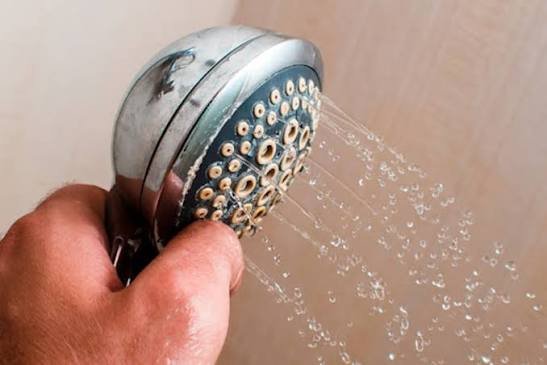
Then there are those annoying white deposits around faucets and showerheads. What looks like ordinary dirt may actually be mineral residue.
Over time, mineral buildup on fixtures can become increasingly stubborn. Cleaning can remove surface deposits, but if the underlying water remains hard, the problem tends to return.
How Water Softeners Can Help
If hard water is affecting multiple areas of the home, water softeners are one of the most common solutions.
A conventional water softener works through ion exchange. In simple terms, it reduces calcium and magnesium in the water and replaces them with sodium or potassium ions, depending on the system.
The result is water that’s less likely to form scale and interfere with soap performance.
Many homeowners notice practical changes fairly quickly. Shower doors may stay cleaner, faucets require less scrubbing, and laundry can feel different. Appliances that use water may also benefit from reduced mineral scaling.
Of course, a softener isn’t automatically right for every home. The water should be tested first, and the system needs to be sized appropriately for household usage.
What Hard Water Does to Appliances
Your faucets aren’t the only things dealing with mineral-rich water.
News contextWhen Your Water Feels Off: A Practical Guide to Understanding What’s Really in Your Tap
Water heaters can be particularly vulnerable because minerals may settle and accumulate inside the tank. A layer of sediment and scale can make heating less efficient, potentially increasing energy use.
Dishwashers, washing machines, coffee makers, humidifiers, and other water-using appliances can also experience mineral deposits.
This doesn’t mean hard water will immediately destroy your appliances. It won’t. The concern is cumulative. Months and years of exposure can gradually affect components and efficiency.
That’s why addressing water hardness can be less about fixing an emergency and more about protecting equipment over the long haul.
Your Plumbing Can Feel the Effects Too
Hard water can affect pipes and plumbing fixtures in different ways, especially where water flow is restricted.
Mineral deposits can accumulate around valves, aerators, showerheads, and other components. In older plumbing systems, existing corrosion or buildup may make the situation more noticeable.
If you’ve experienced declining water pressure in a particular fixture, don’t automatically assume the main plumbing line is failing. Sometimes a clogged aerator or showerhead is the much simpler culprit.
Regular inspection can help determine what’s really happening.
Is Hard Water Dangerous?
This is an important distinction. Hard water is primarily a water-quality and household-maintenance concern, rather than an automatic sign that water is unsafe to drink.
News contextWhen Clean Water Actually Tastes Good: A Closer Look at Modern Filtration at Home
The minerals responsible for hardness are naturally occurring. However, water quality involves more than hardness alone.
If you’re concerned about drinking water, especially from a private well, testing is the best way to understand what else may be present. A water analysis can look beyond hardness and identify other characteristics that may require attention.
In other words, don’t assume that a water softener is a complete water-treatment system. It solves a particular problem.
How to Reduce the Effects of Hard Water
If you’re dealing with hard water, there are several practical steps worth considering.
Start by testing the water. You need to know how hard it actually is before selecting equipment.
Next, inspect fixtures and appliances for existing scale. Cleaning deposits regularly can prevent them from becoming difficult to remove.
If hardness is significant throughout the home, talk with a qualified water-treatment professional about softening options. Ask about installation, regeneration cycles, maintenance, salt or potassium requirements, and long-term operating costs.
For drinking water concerns unrelated to hardness, consider whether a separate filtration system is appropriate.
News contextMaking Home Water Care Easier: From Salt Delivery to Reliable Service
The goal isn’t to install everything. It’s to solve the specific problem efficiently.
A Little Maintenance Goes a Long Way
Once a water softener or other treatment system is installed, don’t forget about it.
Check salt levels when necessary, follow maintenance recommendations, and watch for changes in water quality or system performance. A neglected softener won’t provide the results you expect.
Likewise, keep an eye on faucets, showerheads, water heaters, and appliances. Early signs of buildup are much easier to deal with than heavy deposits that have been developing for years.
Small habits can save a lot of scrubbing—and potentially some money.
Making Peace With Your Water
Hard water may not be the most exciting household topic, but it can have a surprisingly noticeable effect on everyday life. From cloudy glassware to scale around fixtures and gradual appliance wear, the little annoyances can add up.
The first step is understanding your water rather than guessing. Test it, identify the actual level of hardness, and then consider whether treatment makes sense for your property.
For many homes, the right solution can make cleaning easier, protect water-using appliances, and reduce the constant battle with mineral deposits.
You don’t need to obsess over your water. Just pay attention to what it’s telling you. Sometimes those little white spots on the faucet are worth listening to.