Keeping Your Water Treatment System Working Well With Simple, Consistent Care
A water treatment system is easy to appreciate when everything is working properly. The water tastes fresh, mineral deposits are less noticeable, and daily chores feel a little easier. Then, one morning, the water pressure drops or an unfamiliar taste returns. Suddenly, a system that seemed to take care of itself needs some attention. This […]
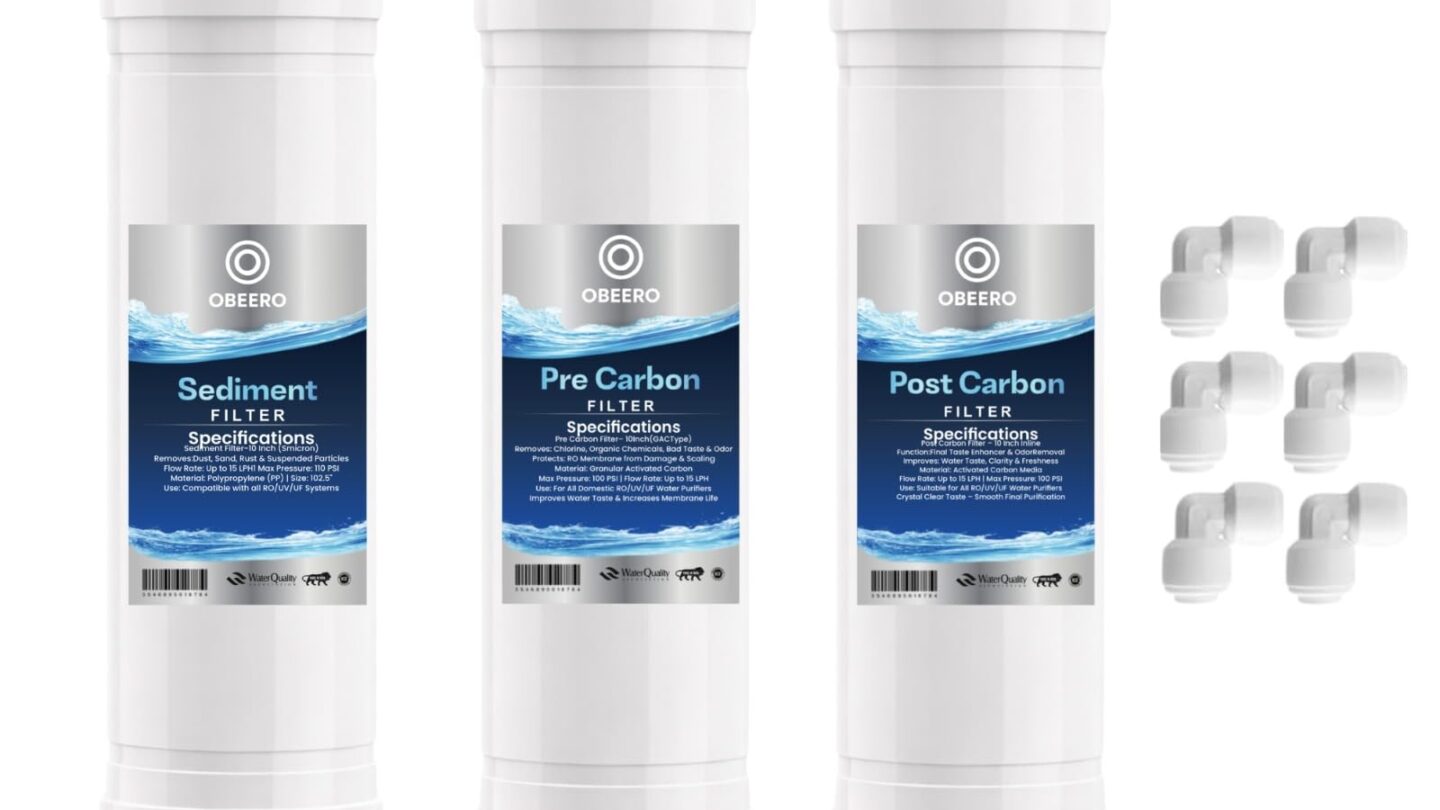
A water treatment system is easy to appreciate when everything is working properly. The water tastes fresh, mineral deposits are less noticeable, and daily chores feel a little easier. Then, one morning, the water pressure drops or an unfamiliar taste returns. Suddenly, a system that seemed to take care of itself needs some attention.
This is fairly common. Water filters, softeners, and disinfection equipment all have components that wear out or need periodic servicing. The good news is that maintenance doesn’t have to be complicated. Understanding what your system does, knowing when its components need attention, and keeping a few simple records can help you avoid unnecessary trouble.
Why Regular Maintenance Matters
Water treatment equipment works under different conditions depending on the water entering the home. A filter handling lots of sediment may need attention sooner than one treating relatively clean water. A softener dealing with very hard water may regenerate more frequently, while a drinking-water system may rely on several cartridges and a membrane that each have their own service life.
Ignoring these details can affect performance. A clogged filter may restrict flow, exhausted carbon media may become less effective at reducing certain tastes and odors, and neglected equipment can develop leaks or other operational problems. In some cases, poor maintenance may also compromise the treatment the system is intended to provide.
Start with the manufacturer’s maintenance schedule. It should explain which components need inspection, how often consumables should be changed, and whether any cleaning or sanitation is required. Treat those instructions as a starting point, then consider your water quality and actual usage. A household with several people using water throughout the day may have different maintenance needs from a smaller household.
Keep Track of the Parts That Need Attention
One of the easiest ways to stay organized is to keep a basic record of installation dates, service visits, and filter changes. It doesn’t need to be an elaborate spreadsheet. A note on your phone or a reminder on the calendar can be enough.
When a component reaches the end of its recommended service life, arrange for suitable replacement parts rather than waiting for a problem to become obvious. The correct part matters because fittings, seals, cartridges, and other components are designed for particular models and operating conditions. A part that looks similar may not fit properly or deliver the expected performance.
Before ordering anything, check the equipment’s model number and consult the manufacturer’s documentation. Ask whether the component is compatible with your system and whether replacing it requires special tools or technical knowledge. Some routine changes are manageable for homeowners, while other work is better left to a qualified technician.
It’s also sensible to inspect accessible connections for signs of moisture. Even a small drip can cause damage if it goes unnoticed for weeks. If you discover a leak, follow the manufacturer’s safety instructions and arrange repairs promptly.
News contextMaking Home Water Care Easier: From Salt Delivery to Reliable Service
Give Reverse Osmosis Systems the Care They Need
Reverse osmosis systems are commonly installed beneath kitchen sinks to treat drinking and cooking water. They use pressure to move water through a semipermeable membrane that reduces many dissolved substances. Depending on the design, the system may also contain sediment and carbon prefilters, a storage tank, and a final polishing filter.
Each component has a different job, which is why changing everything at the same interval isn’t always necessary. Sediment filters capture particles, while carbon filters can reduce certain tastes, odors, and compounds. The membrane performs the central separation process, but its lifespan depends on water quality, system design, usage, and proper maintenance.
When servicing reverse osmosis filters, check the manufacturer’s recommended replacement intervals and follow the correct procedure. Some cartridges are replaced more frequently than the membrane. Waiting until the water tastes different isn’t a dependable maintenance strategy, since some performance changes may not be noticeable by taste alone.
After changing a filter, follow the instructions for flushing the system before using the water. Make sure housings are secured correctly and check for leaks around the connections. If the system’s output becomes unusually slow or the water tastes different despite recent maintenance, there may be another issue, such as low feed pressure, a storage tank problem, or a membrane that needs inspection.
Don’t Overlook Ultraviolet Disinfection Equipment
Some homes use ultraviolet (UV) systems as part of their water treatment, particularly when microbial disinfection is needed. UV equipment exposes flowing water to ultraviolet light under controlled conditions. Its effectiveness depends on appropriate system sizing, water clarity, flow rate, lamp performance, and proper installation.
The lamp may continue glowing even when its ability to deliver the intended disinfection performance has declined. For that reason, homeowners should follow the manufacturer’s replacement schedule rather than relying on appearance alone.
A scheduled UV bulb replacement is an important part of maintaining a UV system. Use the lamp specified for the equipment, and follow the manufacturer’s instructions for shutting down the unit and handling the replacement. Some systems include a timer or warning indicator, which can make scheduling easier.
News contextWhen Hard Water Hits Home: Simple Ways to Protect Your Plumbing
The surrounding sleeve may also need cleaning or inspection because mineral deposits can interfere with light transmission. If you’re unsure how to service the equipment safely, contact a qualified technician. And remember, UV treatment doesn’t remove sediment, dissolved chemicals, or hardness minerals. It serves a particular purpose and may need to work alongside other treatment methods.
Watch for Changes in Performance
You don’t need to test every component yourself to notice when something deserves attention. Reduced water flow, recurring scale, changes in taste or odor, unusual noises, and visible leaks can all be reasons to investigate. None of these signs automatically identifies the cause, though.
For example, low pressure might result from a clogged filter, but it could also stem from a plumbing issue. A return of mineral deposits might suggest a softener problem, an incorrect setting, or a change in the incoming water. Replacing parts without understanding the cause can waste money and leave the real issue unresolved.
If the water source changes or you notice a sudden difference in its appearance, taste, or smell, consider appropriate testing. This is especially important for private wells, where conditions can change after flooding, repairs, or environmental changes. If contamination is suspected, follow guidance from the local health authority and use suitable testing rather than relying on the treatment system alone.
Make Maintenance Easier From the Start
When choosing a water treatment system, ask about servicing before installation. Find out how readily available its consumables are, how often they typically need replacing, and what routine service costs. A system that fits your home but is difficult to maintain may become frustrating over time.
Keep the area around the equipment accessible, store manuals where you can find them, and avoid using unapproved components. If a technician services the system, ask for a record of the work completed and any recommendations for future visits.
A Little Attention Goes a Long Way
Water treatment equipment doesn’t need constant supervision, but it does need sensible care. A few reminders, timely component changes, and occasional inspections can help keep the system operating as intended.
Most importantly, maintenance should be based on the actual equipment and water conditions, not guesswork. Follow the manufacturer’s instructions, investigate unusual changes, and seek professional help when a repair goes beyond routine care. Those small habits can make water treatment more dependable and help you avoid preventable problems in the long run.