Making Home Water Care Easier: From Salt Delivery to Reliable Service
Water treatment is one of those home investments that tends to disappear into the background when everything is working properly. You turn on the faucet, take a shower, wash the dishes, and get on with your day. Nobody really thinks about what is happening behind the scenes. But keeping a water treatment system running smoothly […]
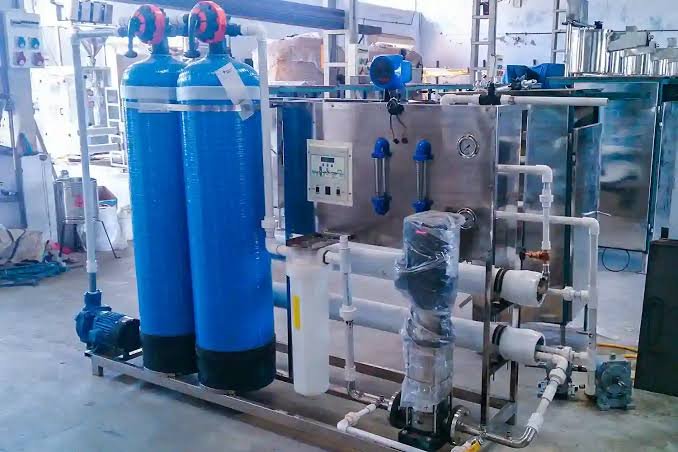
Water treatment is one of those home investments that tends to disappear into the background when everything is working properly. You turn on the faucet, take a shower, wash the dishes, and get on with your day. Nobody really thinks about what is happening behind the scenes.
But keeping a water treatment system running smoothly does require a little attention. Filters need replacing, softeners need supplies, and occasionally a technician needs to take a look at the equipment. None of this has to be complicated, though. With a simple routine and the right support, water treatment can become just another manageable part of taking care of your home.
Start by Understanding Your Water
Before worrying about maintenance, it helps to understand what your system is actually designed to do.
Some households primarily need help with hard water. Others are more concerned about chlorine taste and odor, sediment, or the quality of their drinking water. A private well can bring its own set of considerations, while municipal water may have different characteristics.
A water test can be a useful starting point. It gives you information instead of leaving you to guess.
Once you understand the water, it becomes easier to decide what type of treatment makes sense and how often the equipment may need attention.
Why Water Softeners Need Regular Supplies
Traditional water softeners commonly use salt as part of their regeneration process. The system needs this supply to restore its softening capacity and continue reducing hardness minerals.
That’s why keeping the brine tank supplied is important. If the salt level becomes too low, the softener may eventually stop working as intended.
For busy households, remembering to check the tank can be surprisingly easy to forget. That’s where salt delivered services can be convenient. Having the necessary supply brought to your home can remove one more chore from the list, especially for families that use a significant amount of treated water.
It’s a small convenience, but sometimes those are the things that make a household routine much easier.
How Often Should You Check Your System?
There isn’t one perfect schedule for every home.
Your water hardness, household size, water consumption, equipment type, and settings can all affect maintenance requirements. A family of six may use considerably more water than a person living alone.
It’s a good idea to visually inspect the system occasionally. Look for obvious leaks, unusual sounds, low salt levels, or changes in water quality.
You don’t need to take the equipment apart. Just knowing what normal operation looks and sounds like can help you notice when something has changed.
Don’t Ignore Changes in Water Quality
Sometimes the first sign of a problem is the water itself.
News contextWhen Clean Water Actually Tastes Good: A Closer Look at Modern Filtration at Home
Perhaps the water suddenly tastes different. Maybe there’s more mineral buildup around faucets or your shower no longer feels the same. You might notice cloudy water, an unusual odor, or changes in how soap behaves.
These symptoms don’t automatically mean the treatment equipment has failed. A filter could be overdue for replacement, a setting might need adjustment, or another part of the plumbing could be involved.
Still, a noticeable change deserves attention. It’s better to investigate early than wait until a minor issue turns into a larger one.
When a Service Call Makes Sense
Some maintenance tasks are easy enough to handle yourself. Others are better left to someone who understands the equipment.
A service call may be worthwhile when the system is leaking, making unusual noises, failing to regenerate properly, or producing water that doesn’t seem as well treated as before.
A technician can inspect the equipment, check settings, identify worn components, and explain what needs to be repaired or adjusted.
The important thing is to ask questions. You should understand what caused the problem and why a particular repair is being recommended.
Maintenance Helps Protect Your Investment
A water treatment system isn’t something you buy once and completely forget about.
Depending on the equipment, maintenance may include replacing filters, checking connections, cleaning components, monitoring salt levels, or inspecting mechanical parts.
Regular attention can help extend the useful life of the equipment. It can also reduce the likelihood of being surprised by a major problem at an inconvenient time.
Keep a simple record of maintenance dates. A note in your phone is enough. Write down when filters were replaced, when service was performed, and whether any parts were changed.
It takes very little effort and can be surprisingly helpful later.
Choosing the Right Water Treatment Equipment
When purchasing or replacing a water treatment system, don’t focus only on the initial price.
Look at the long-term picture. How much maintenance does it require? What do replacement filters cost? Does the system use salt? How much water does it consume during regeneration or filtration? Is professional installation necessary?
News contextSkip the Heavy Lifting: Why Water Softener Salt Delivery is the Home Upgrade You Didn’t Know You Needed
These details can make a meaningful difference over several years.
A system that looks inexpensive at first may cost more to operate if its replacement parts are expensive or maintenance is complicated.
Professional Support Can Make Things Simpler
There is nothing wrong with handling basic maintenance yourself, but professional support has its place.
A qualified technician can help with installation, troubleshooting, system settings, component replacement, and more complicated repairs. Professional guidance can be especially useful when you’re unsure whether the problem is with the treatment equipment or the home’s plumbing.
A good service provider should explain things clearly instead of making the process feel mysterious.
You don’t need to know every technical term. You just need enough information to make a sensible decision.
Small Habits Make a Difference
Water treatment doesn’t have to become another major household responsibility.
Check supplies periodically. Follow recommended maintenance schedules. Replace filters when necessary. Pay attention to changes in water quality, and don’t hesitate to seek professional help when something doesn’t seem right.
These habits are simple, but they can help your equipment remain dependable.
And there’s something nice about that. When a system is properly maintained, you don’t have to think about it every time you pour a glass of water or step into the shower.
A More Convenient Approach to Better Water
Good water treatment is ultimately about consistency. The equipment needs to be appropriate for your home’s water, and it needs a little care to keep doing its job.
Whether that means keeping the softener supplied, arranging maintenance, or calling a professional when something goes wrong, the goal is the same: reliable water without unnecessary hassle.
Take care of the system, understand what it needs, and keep an eye on small changes. Those simple steps can go a long way toward protecting your investment and making everyday life a little easier.
After all, the best water treatment system isn’t the one you constantly think about. It’s the one that quietly works in the background while you get on with everything else.