The Plumbing Work That Keeps Everyday Life Moving
Most household routines depend on plumbing working properly. You take a warm shower before work, wash dishes after dinner, and run the laundry while doing a dozen other things. None of it feels complicated until the hot water disappears, a pipe begins leaking, or a drain refuses to clear. Then a small part of the […]
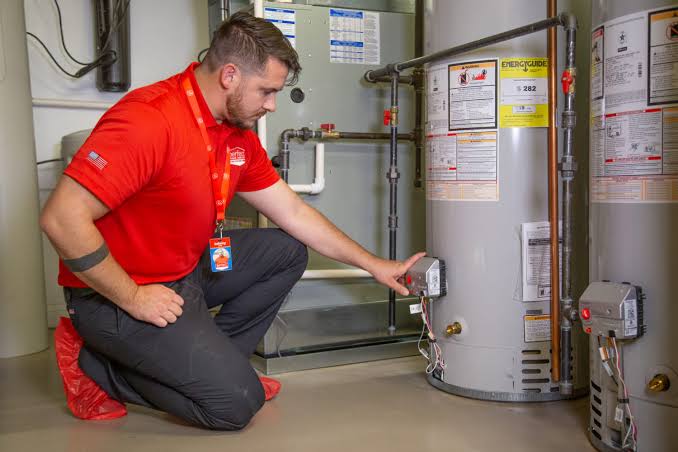
Most household routines depend on plumbing working properly. You take a warm shower before work, wash dishes after dinner, and run the laundry while doing a dozen other things. None of it feels complicated until the hot water disappears, a pipe begins leaking, or a drain refuses to clear. Then a small part of the house suddenly demands all your attention.
Plumbing problems rarely arrive at a convenient time. Some develop slowly, giving you a few clues along the way, while others seem to happen out of nowhere. Knowing how to respond, what to look for, and when to bring in a professional can save time and protect your home from unnecessary damage. A little preparation also makes it easier to make sensible choices when repairs are needed.
Hot Water Should Be Reliable, Not a Daily Guess
Few household problems are as immediately frustrating as a water heater that stops doing its job. One morning, the shower is comfortable; the next, the water turns cold halfway through. Sometimes the issue is a faulty component. In other cases, the unit may be aging, struggling to meet household demand, or developing a leak.
Professional water heater installations & repairs can help determine whether the existing equipment needs servicing or whether replacement makes more sense. A technician may inspect the thermostat, heating elements, valves, connections, and other components, depending on the type of system. The goal is to identify the actual cause rather than replace equipment unnecessarily.
There are a few signs homeowners shouldn’t ignore. Water collecting around the base of a tank, unusual popping or rumbling sounds, inconsistent temperatures, and rusty-looking hot water can all warrant an inspection. If you notice a gas smell, leave the area and contact the appropriate emergency service or utility provider. Don’t attempt to troubleshoot gas equipment yourself.
News contextMaking Home Water Care Easier: From Salt Delivery to Reliable Service
When choosing a replacement, think about how your household actually uses hot water. A couple living in a small home may have different needs from a family with several bathrooms and frequent laundry loads. Fuel type, energy efficiency, available space, and installation requirements all matter. A qualified professional can help compare suitable options without making the decision feel like a technical exam.
Knowing What to Do When a Plumbing Emergency Happens
A burst pipe, overflowing toilet, or sudden leak can make anyone panic. That’s understandable. Water spreads quickly, and the longer it runs, the more damage it can cause to floors, cabinets, drywall, and belongings. The first few minutes are often about limiting the damage, not figuring out every detail of the repair.
Reliable emergency plumbing support is useful when a problem cannot safely wait for a routine appointment. If a pipe is leaking heavily, turn off the main water supply if you can reach the shutoff valve safely. Move valuables away from the affected area and avoid standing water near electrical outlets, appliances, or exposed wiring. If the situation creates an electrical or structural hazard, keep clear and contact the appropriate emergency professionals.
News contextWhen Hard Water Hits Home: Simple Ways to Protect Your Plumbing
Not every urgent problem involves a flood. A sewer backup, a completely blocked toilet in a home with only one bathroom, or a water heater leaking heavily may also require prompt attention. Explain the symptoms clearly when calling for service. Mention where the water is coming from, whether the leak is active, and whether you’ve shut off the supply. Those details help the plumber understand what may be needed.
It can be tempting to try a quick online fix while waiting. Some minor issues are manageable, but forcing a damaged fitting or dismantling unfamiliar equipment can make matters worse. When you’re unsure, a cautious response is usually the smarter one.
Building Plumbing That Works From the Start
Plumbing deserves attention long before anyone moves into a house. During construction, the placement and installation of water lines, drains, fixtures, and other components can affect how comfortably the property functions for years. Mistakes hidden behind walls or beneath floors are often more difficult and expensive to correct later.
Careful new construction plumbing begins with planning around the building’s layout, expected water demand, fixture locations, drainage requirements, and applicable local codes. A plumber works with the construction team to coordinate pipe routes and ensure the system can be installed and inspected at the appropriate stages. Good planning also leaves practical access to valves and service points, which makes future maintenance easier.
News contextWhy Better Water at Home Feels Like an Upgrade You Didn’t Know You Needed
Homeowners should not feel they need to understand every pipe diameter or connection type. Still, asking a few straightforward questions can help. Where are the main shutoff valves? Which fixtures will need access panels? What testing will be completed before walls are closed? Are permits and required inspections included in the project?
These details may not be the exciting part of building a home, but they matter. Attractive fixtures are easy to notice; well-planned plumbing often goes unnoticed precisely because it works as intended.
Everyday Habits That Can Prevent Bigger Problems
You don’t need a complicated maintenance schedule to look after your plumbing. Start with a few simple habits and build from there. Avoid pouring cooking grease into the sink, use suitable strainers to catch hair and debris, and never assume that wipes or hygiene products are safe to flush simply because their packaging says they’re convenient.
Check beneath sinks occasionally, particularly around flexible supply hoses and drain connections. Look for moisture, corrosion, loose fittings, or unpleasant smells. If your water bill rises without a clear reason, investigate rather than assuming the utility company made a mistake. A running toilet or concealed leak can waste a surprising amount of water over time.
News contextWhen Clean Water Actually Tastes Good: A Closer Look at Modern Filtration at Home
Water pressure is another useful clue. Pressure that suddenly becomes unusually low throughout the property may indicate a supply issue, while a single fixture behaving differently could have a more localized cause. Either way, repeated changes deserve attention.
It’s also worth keeping basic records. Note when a water heater was installed, save paperwork from major repairs, and keep warranty information in one place. When something fails later, those details help the technician understand the system’s history.
Choosing a Plumbing Professional With Confidence
When water is leaking across the floor, most people want help quickly. Even so, choosing a service provider should involve more than selecting the first name that appears in a search. Look for relevant licensing and insurance where required, clear communication, and an estimate that explains the proposed work.
News contextClear Water, Clear Mind: Why You Should Know What’s Really in Your Tap
Ask whether the quote includes labor, materials, testing, and cleanup. For a larger job, find out how the work may affect access to bathrooms, the kitchen, or the water supply. If additional damage is discovered after work begins, ask how changes will be discussed and approved.
A good plumber should explain the problem in language you can understand. You deserve to know why a repair is recommended, whether alternatives exist, and what might happen if the issue is postponed. Honest answers help you make decisions without feeling pressured.
A More Dependable Home Starts With Attention
Plumbing isn’t something most people want to think about every day, and that is perfectly reasonable. The goal isn’t to worry over every drip or sound. It’s to recognize when something has changed and respond before the problem grows.
Whether you’re maintaining an established home, dealing with an unexpected leak, or planning plumbing for a new property, thoughtful decisions make a difference. Routine checks, timely professional service, and clear communication can help keep water flowing where it belongs. When the essentials work quietly in the background, everyday life feels a little easier—and that’s worth looking after.