Why Better Water at Home Feels Like an Upgrade You Didn’t Know You Needed
Most people don’t think much about their water until something feels wrong. Maybe the coffee starts tasting slightly bitter even though you’re buying the same beans. Maybe white spots begin showing up on dishes fresh out of the dishwasher. Sometimes it’s the shower that gives it away first — dry skin, dull hair, or soap […]
Most people don’t think much about their water until something feels wrong.
Maybe the coffee starts tasting slightly bitter even though you’re buying the same beans. Maybe white spots begin showing up on dishes fresh out of the dishwasher. Sometimes it’s the shower that gives it away first — dry skin, dull hair, or soap that refuses to rinse properly no matter how much you use.
At first, these things seem unrelated.
But eventually homeowners realize the common thread running through all of it is the water itself.
And honestly, once you start noticing water quality, it’s hard to stop noticing it everywhere.
Water Quietly Shapes Daily Life
Water touches almost every routine inside a home.
Cooking dinner. Washing clothes. Filling the dog’s bowl. Running the dishwasher before bed. Brewing tea in the morning while still half asleep. It’s such a constant part of daily life that people rarely pause to think about how much comfort depends on it functioning properly.
That’s partly why more homeowners are investing in better water systems today than they were ten or fifteen years ago.
Not because it feels trendy.
Because people are starting to understand how much water quality affects the feeling of a home overall. Cleaner water changes small experiences in ways that quietly build over time. Towels feel softer. Faucets stay cleaner. Appliances run more efficiently. Even drinking more water becomes easier when it actually tastes fresh.
Those little improvements add up surprisingly fast.
Hard Water Costs More Than People Expect
One thing homeowners often underestimate is how expensive poor water quality can become over time.
Hard water minerals slowly collect inside plumbing, water heaters, washing machines, and dishwashers. Appliances work harder than they should. Heating efficiency drops. Soap and detergent usage increases because nothing rinses cleanly anymore.
And honestly, most people don’t notice the financial impact immediately because it happens gradually.
News contextSkip the Heavy Lifting: Why Water Softener Salt Delivery is the Home Upgrade You Didn’t Know You Needed
A repair here. Appliance replacement there. Extra cleaning products every month. Bottled water purchases stacking up without much thought. Over several years, those hidden expenses become significant.
That’s why many homeowners eventually start viewing water treatment as a practical investment instead of an unnecessary luxury. Proper filtration and softening systems often help reduce maintenance issues while improving daily comfort at the same time.
Small Changes Often Lead to Bigger Savings
The interesting thing about improving water quality is that homeowners usually notice comfort benefits first.
The softer laundry. Cleaner dishes. Better showers.
But over time, the real value often shows up through long-term savings people weren’t fully expecting at the beginning. Water heaters last longer. Plumbing stays cleaner internally. Dishwashers maintain performance more efficiently. Even energy bills sometimes improve because appliances no longer fight against heavy mineral buildup constantly.
None of these things feel dramatic individually.
But together, they create less stress around home maintenance overall. And honestly, homeowners appreciate reliability more than flashy upgrades most of the time.
Nobody enjoys spending weekends troubleshooting plumbing issues or replacing appliances earlier than expected.
Homeowners Want Simpler Solutions Now
There’s been an interesting shift in how people approach home systems lately.
Years ago, many homeowners tolerated inconvenience because “that’s just how houses are.” Hard water stains? Normal. Strange-tasting tap water? Deal with it. Cloudy glasses from the dishwasher? Probably fine.
Now people expect more from the homes they invest so much money into.
They want systems that improve comfort without demanding constant attention in return. That’s part of why companies offering integrated filtration and softening solutions continue gaining popularity among homeowners looking for dependable performance.
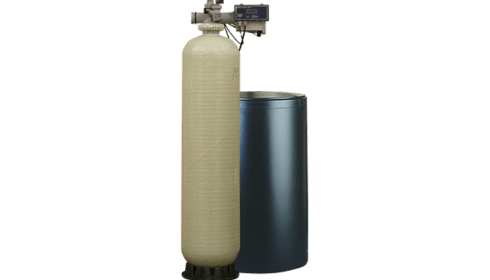
For example, many families explore EcoWater products because they’re searching for systems designed to improve water quality while fitting naturally into everyday life. People don’t necessarily want complicated technology or equipment that feels intimidating to manage. They want reliable systems that quietly work in the background without creating more household stress.
And honestly, that’s a pretty reasonable expectation.
News contextWhy Better Water Means Better Business: A Real Talk on Quality Systems That Work
Better Water Feels Different, Even If It’s Hard to Explain
One thing people often struggle to describe after upgrading their water systems is exactly why the home feels better afterward.
The improvements can feel subtle at first.
Coffee tastes cleaner somehow. Showers become more comfortable. Soap rinses easier. Laundry smells fresher. Skin doesn’t feel as dry after bathing. These aren’t dramatic movie-style transformations, but they change how everyday routines feel over time.
That emotional side of home comfort matters more than many people realize.
Water issues quietly create irritation people adapt to without fully noticing. Strange smells. Constant scrubbing. Appliances acting up. Guests commenting on the taste of tap water. Tiny frustrations slowly become background noise inside the home.
When those problems disappear, homeowners often describe relief more than excitement.
Relief that things finally feel normal again.
The Best Home Improvements Are Often the Quietest Ones
What makes good water systems interesting is how invisible they become once they’re working properly.
Nobody walks into a kitchen and immediately admires a filtration system the way they might notice new countertops or flooring. But homeowners absolutely notice how the home feels afterward. Cleaner dishes. Better-tasting water. Fewer plumbing issues. Softer laundry. Less maintenance stress.
And honestly, those practical benefits tend to matter longer than flashy upgrades people stop caring about after a few months.
That’s probably why more families are paying attention to water quality now than ever before.
Not because water treatment sounds exciting.
Because clean, reliable water quietly supports everyday life in hundreds of small ways people only fully appreciate once those improvements become part of their normal routine.