Let’s get something straight: water isn’t just water anymore. If you’re running a business—be it a bustling restaurant, a busy manufacturing plant, or a mid-sized office—water quality can make or break your operations in ways you may not even realize yet.
From the coffee your team sips at meetings to the industrial boilers that drive production—water is everywhere. And poor-quality water? Well, that’s a silent killer of efficiency, equipment, and even brand reputation.
The Unseen Risks Lurking in Plain Sight
Sure, water comes out of the tap, and it looks clean. But that’s just surface-level stuff. Beneath the clear flow could be minerals like calcium and magnesium (hello, scale buildup), chlorine that messes with taste and smell, or even trace levels of metals and sediments that gradually wear down your equipment.
For industries that rely heavily on machinery—like food processing, textiles, or pharmaceuticals—industrial water quality isn’t just a health and safety box to tick. It’s a critical factor in performance. When scale clogs your pipes or mineral deposits build up in your systems, efficiency nosedives and maintenance costs skyrocket.
You wouldn’t fuel a luxury car with low-grade petrol, right? Same goes for the water running through your commercial systems.
Let’s Talk Taste (And Reputation)
Ever sipped water at a café that tasted… off? That chalky, metallic tang can come from untreated tap water. And if you’re in the hospitality industry, customers notice. Subpar water quality doesn’t just impact drinks—it affects the ice, soups, sauces, and even the washing of dishes.
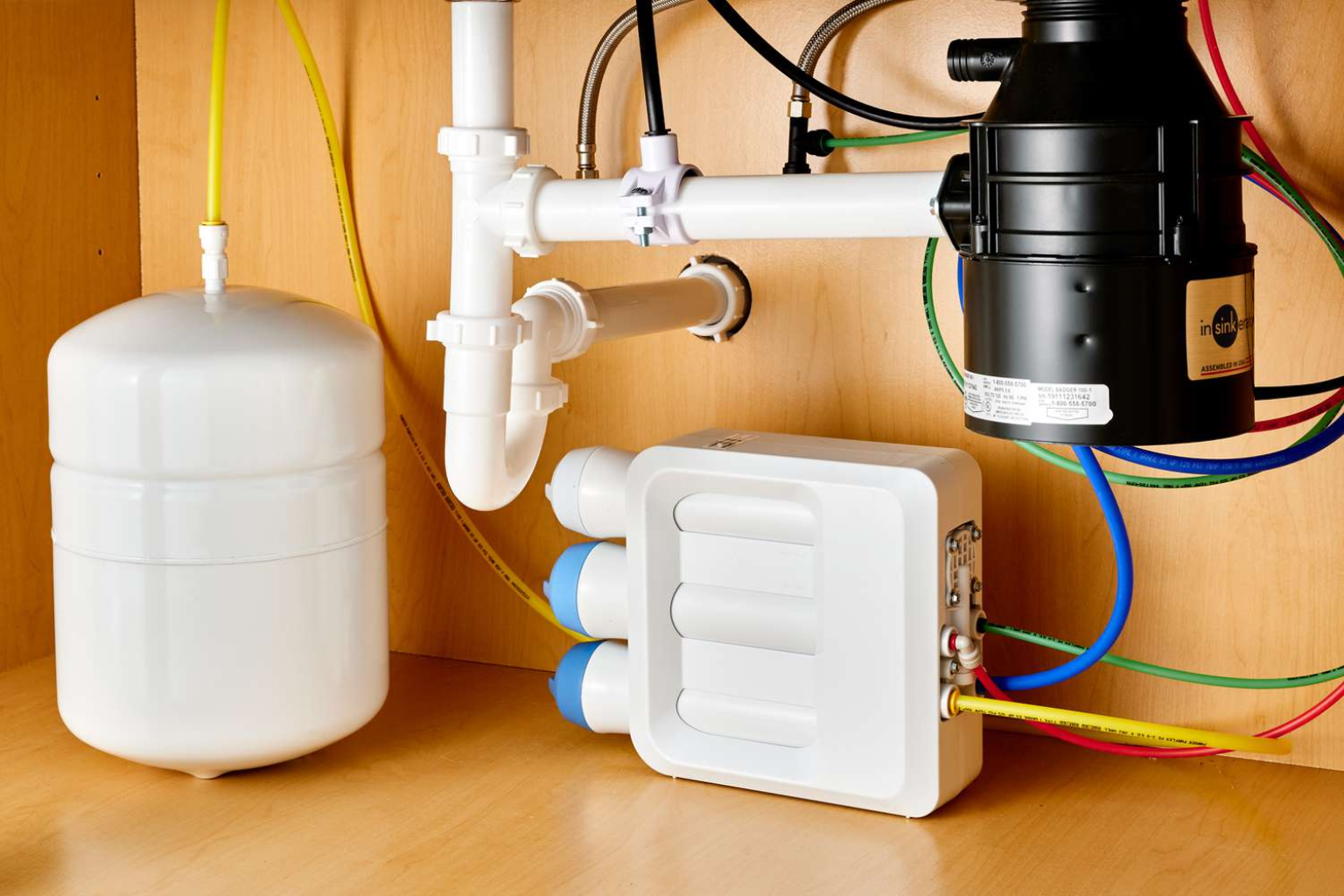
That’s where business drinking water systems step in. These systems aren’t your run-of-the-mill filters. They’re designed for high-traffic environments and tailored to the specific needs of your locale. Some places deal with hard water, others with high chlorine content. The right system handles it with ease—keeping your water crisp, clean, and customer-approved.
But it’s not just about taste. It’s about trust. Clean water tells your clients and staff that you care. It’s a subtle signal, but a powerful one.
Scale: The Silent Budget Drainer
Imagine this: your commercial heater starts using more energy, your steam equipment breaks down twice as often, and your monthly utility bills slowly inch up. You call in technicians, replace parts, maybe even the whole system—but the real culprit? Mineral scale.
Commercial scale reduction systems are built to fight exactly that. These aren’t one-size-fits-all filters. They’re specialized technologies—like ion exchange, magnetic conditioning, or template-assisted crystallization—that prevent scale from ever sticking in the first place. It’s like giving your machines armor.
When businesses install these systems, it’s not just a maintenance decision—it’s a financial one. Less downtime. Fewer repairs. Longer-lasting equipment. It’s like preventive healthcare, but for your infrastructure.
Water Filtration Isn’t a Luxury—It’s a Necessity
Some business owners hesitate. “Do I really need all this?” they wonder. Let’s flip that question: Can you afford the risk of not having it?
Water issues don’t always shout. They whisper—through weird-tasting coffee, cloudy glassware, or underperforming HVAC systems. Left unchecked, these small signs snowball into big problems.
Investing in water quality isn’t about being fancy—it’s about being smart. Whether you’re protecting million-dollar machinery or ensuring every customer leaves your café with a good impression, the role water plays is fundamental.
And here’s the kicker: customers may not notice when you get it right, but they will when you get it wrong.
Tailored Solutions for Every Industry
One of the most misunderstood parts about water systems is that they’re not cookie-cutter. A bakery doesn’t need the same setup as a car wash. A medical lab’s requirements differ wildly from a gym’s. That’s why working with water specialists who assess your usage, analyze your supply, and understand your goals is essential.
For instance:
- A hotel might need a large-scale RO system for all guest rooms plus UV filtration for the pool.
- A brewery may focus more on taste consistency and mineral balance.
- A dental clinic may require ultra-purified water for sterilization purposes.
Every detail matters.
The Environmental and Ethical Edge
We’re in an era where sustainability isn’t a buzzword—it’s a business expectation. Having an efficient, high-performing water treatment system reduces waste, slashes energy use, and helps minimize chemical discharge into the environment.
Plus, with growing awareness around microplastics and waterborne contaminants, customers increasingly lean toward businesses that prioritize clean water. It’s not just about compliance anymore—it’s about ethics and perception.
If your team drinks bottled water because the tap isn’t up to par, you’re not only wasting money but also adding to plastic waste. A high-quality in-house water filtration setup can change that story.
Final Thoughts: Clean Water Is Smart Business
You don’t need to be in the water industry to take it seriously. In fact, the most forward-thinking businesses already are. They’re reducing breakdowns, improving customer satisfaction, and building a better brand—all through something as seemingly simple as improving their water.
Let’s be honest—most customers won’t compliment your filtered water. But they’ll remember the bad taste, the cloudy ice, or the strange after-smell. Your employees might not thank you every day for softer laundry water or better-tasting tea, but you’ll see it in morale and retention.
And your accountant? They’ll love the long-term savings on repairs, replacements, and rising energy costs.
So here’s the bottom line: If you haven’t evaluated your water quality recently, it’s time. Whether you start with a basic test kit or bring in professionals for a full audit, the first step is awareness.
After all, clean water isn’t just for health. It’s for business, too.