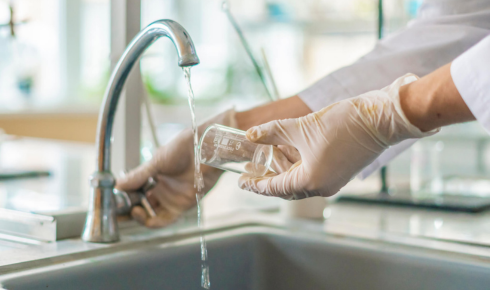
There’s something oddly comforting about filling a glass of water straight from your kitchen tap. No fuss. No plastic bottles piling up in the corner. Just a simple twist of the handle and you trust that what’s flowing out is safe, clean, and good for your family. But if you’ve ever paused mid-sip and wondered, “Is this really as clean as it tastes?” — you’re not alone.
Clean water at home isn’t just about taste. It’s about health, longevity of appliances, and that subtle peace of mind that we often overlook. Over the past few years, more homeowners have started paying attention to what’s actually in their water — not in a dramatic, conspiracy-theory kind of way — but in a practical, common-sense way.
Because here’s the truth: municipal treatment plants do a solid job. But by the time water travels through miles of aging pipes and finally reaches your faucet, things can change.
Let’s talk about what really matters.
The First Line of Defense: Catching What You Can’t See
Before water even tastes off, it often carries tiny particles you wouldn’t notice unless you were looking under a microscope. Dust from old pipes. Fine sand. Rust flakes. It’s not glamorous to think about, but it’s real.
That’s where proper sediment removal becomes essential. A good filtration system acts like a sieve, catching those suspended particles before they ever make it into your glass — or your dishwasher, or your shower. It’s not just about cleaner drinking water; it’s about protecting plumbing fixtures and appliances from wear and tear. Tiny particles might seem harmless, but over time they behave like sandpaper inside your system.
I once visited a friend whose washing machine kept clogging unexpectedly. The culprit? Excess sediment in their water supply. A simple pre-filter solved a problem they’d been troubleshooting for months.
Sometimes the simplest solutions make the biggest difference.
The Taste Factor — And Why It Matters
Let’s be honest. If water doesn’t taste right, people won’t drink enough of it. And that’s where chlorine enters the conversation.
Municipal systems use chlorine to disinfect water — and for good reason. It protects against harmful bacteria. But the same compound that keeps water safe can also leave behind a sharp smell or chemical aftertaste that many people dislike.
That’s why chlorine reduction is such a common feature in modern filtration setups. By filtering out excess chlorine before it reaches your glass, you get water that feels smoother and tastes noticeably fresher. Coffee tastes better. Tea doesn’t carry that faint swimming-pool note. Even soups and pasta benefit in subtle ways.
You don’t realize how much chlorine affects flavor until you drink properly filtered water side by side with untreated tap water. It’s one of those “oh, wow” moments.
And no — it’s not about fear-mongering. It’s about refinement.
The Often-Overlooked Final Touch
Here’s something many people don’t realize: filtration isn’t always a one-stage process. In fact, the final stage often makes the biggest difference in clarity and taste.
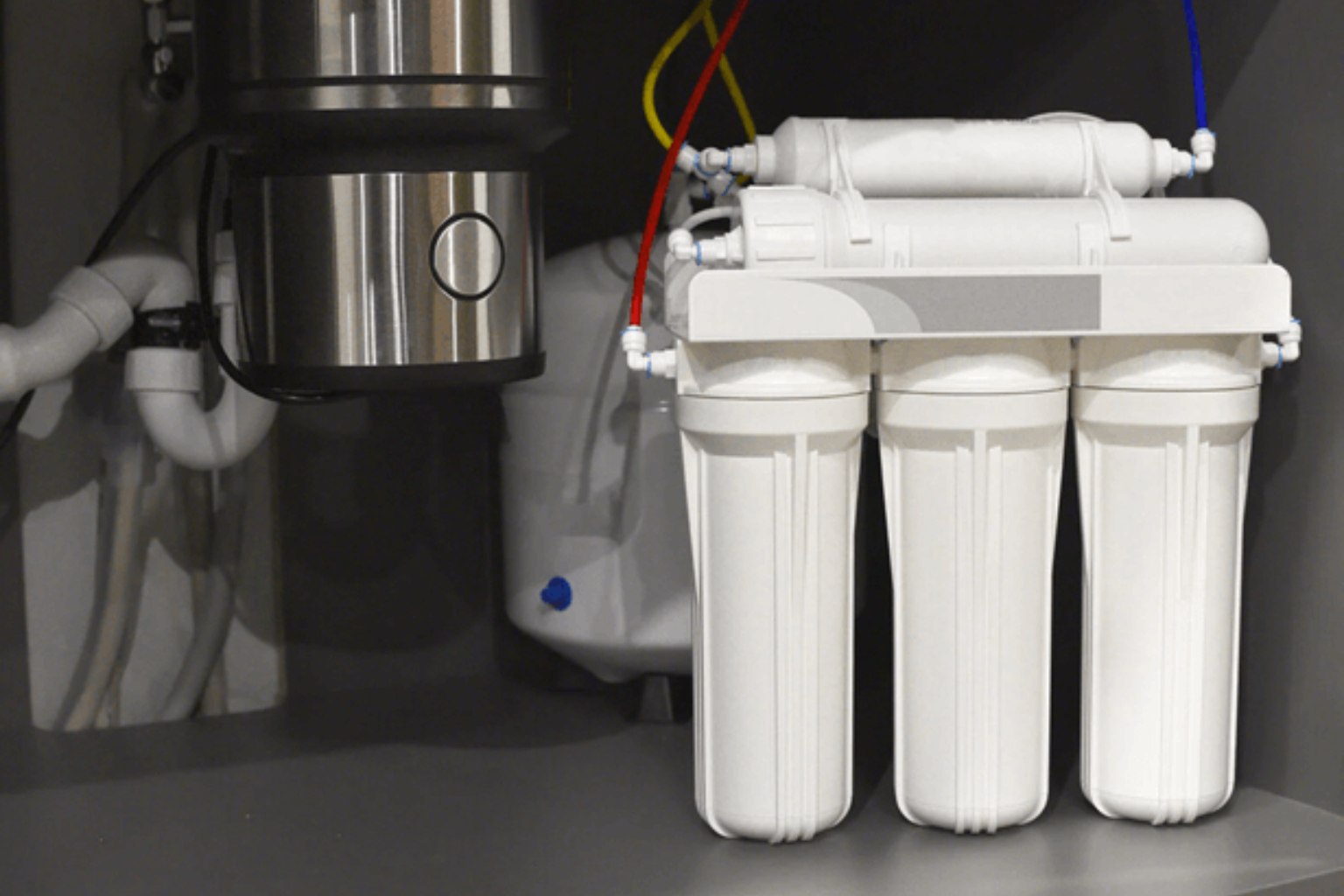
A post-carbon filter acts as that finishing layer. After initial filtration has removed larger particles and chemical compounds, this final carbon stage polishes the water — removing lingering odors, improving flavor, and capturing trace impurities that slipped through earlier stages.
Think of it like editing a draft of an article. The first pass removes the obvious mistakes. The final pass smooths everything out, making it cohesive and enjoyable.
That’s what a post-carbon filter does for water. It refines.
And refinement matters.
It’s Not Just About Drinking
When people talk about water filtration, they usually focus on what they drink. But the impact goes beyond the kitchen.
Filtered water can help extend the life of water heaters, coffee machines, refrigerators, and dishwashers. Less buildup means fewer repairs. Showers feel cleaner. Skin can feel less irritated in some cases. Even laundry can look brighter when harsh contaminants are minimized.
It’s subtle, but over time you notice it.
A neighbor of mine once said, “I didn’t think it would make that much difference.” Six months later, she admitted she’d never go back to unfiltered water. Not because she was worried — but because the improvement was undeniable.
That’s the key. It’s not dramatic. It’s steady, practical improvement.
Choosing the Right Setup (Without Overcomplicating It)
The water filtration industry can be overwhelming. Reverse osmosis systems. Whole-house filters. Under-sink units. Cartridge ratings. Micron levels. It’s easy to get lost in the specs.
But at the heart of it, the decision comes down to a few questions:
- What’s in your local water supply?
- Are you more concerned about taste, sediment, or chemical exposure?
- Do you want filtration for drinking only — or for the whole house?
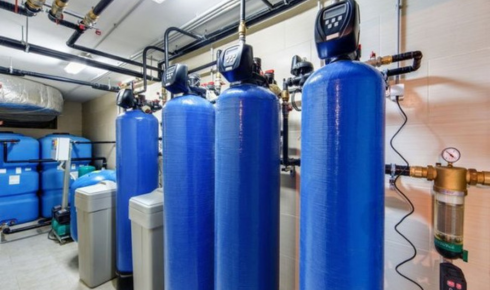
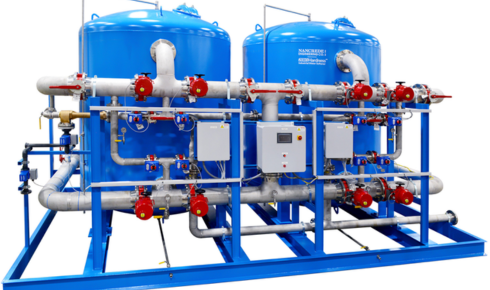
You don’t need the most expensive system on the market. You need one that matches your water profile and your household’s needs. Sometimes a simple multi-stage under-sink system is enough. In other cases, a whole-home setup makes more sense.
And yes, maintenance matters. Filters need replacing. Carbon cartridges eventually saturate. Ignoring upkeep defeats the purpose.
Think of it like changing the oil in your car. The system works beautifully — as long as you take care of it.
The Bigger Picture
We live in a time when convenience often overrides mindfulness. We assume things are fine because they’ve always been fine. But being thoughtful about your home’s water quality isn’t about paranoia — it’s about awareness.
Clean water supports health. It protects infrastructure. It improves everyday experiences in small, meaningful ways.
There’s something grounding about knowing the water you’re drinking has been carefully filtered, thoughtfully refined, and intentionally prepared for your home. It’s not flashy. It doesn’t come with a dramatic before-and-after story.
It just quietly does its job.
And honestly? That’s enough.
In the end, investing in proper water filtration isn’t about chasing perfection. It’s about creating a home environment that feels safe, reliable, and just a little bit better than yesterday.