You know how it is. You’re standing in the shower, half-awake, letting the hot water roll over you—and then, bam. Something smells…off. Like rotten eggs or wet pennies. It’s enough to jolt you out of that peaceful morning haze. If you’ve ever had your water heater give off that funky odor, you’re not alone. It’s weird, it’s gross, and yeah—it’s totally fixable.
This isn’t just another article full of textbook jargon. It’s a real-world, slightly messy dive into why your hot water smells bad—and what to do about it.
Let’s Talk About That Funk: Where Is the Smell Coming From?
First things first: that foul, sulphuric stink? Nine times out of ten, it’s not your imagination—it’s your water heater odor. And it’s not just annoying. It’s also a sign that something’s not quite right beneath the surface. Specifically, the odor usually comes from hydrogen sulfide gas, created when bacteria in your tank interact with the metal parts inside. Ew, right?
These bacteria aren’t necessarily dangerous, but man, are they smelly. And once that scent gets into your hot water system, it lingers. It’s in your shower, your laundry, even when you wash your hands. Not exactly the “fresh start” vibe we’re all going for.
The Unsung Hero: That Little Rod Inside Your Tank
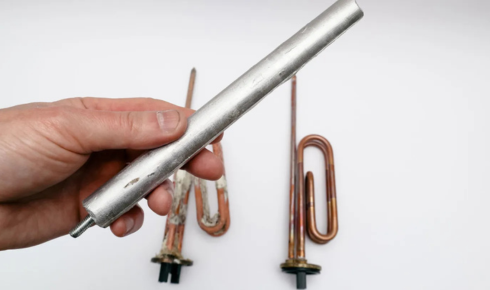
Okay, so here’s the part no one really talks about—but they should. Deep inside most traditional water heaters is a metal rod called an anode rod. Think of it as a sacrificial bodyguard. It attracts corrosive elements in the water so they don’t eat away at your tank. But over time, it breaks down. That’s its job.
The problem is, when the anode rod starts to deteriorate, it can actually contribute to that rotten egg smell. Magnesium or aluminum in the rod can react with sulfur bacteria and produce hydrogen sulfide. That’s science for ya—helpful and gross, all at once.
Replacing the rod can often solve the odor issue completely. It’s one of those small fixes that feels like magic once you’ve done it.
Filters Aren’t Just for Instagram
Now, before you start shopping for a whole new water heater or moving into a new house out of frustration—breathe. There’s another angle to look at here: filtration.
A solid water filtration system can stop the problem at the source. If your water supply has a high level of bacteria or minerals, it’s like giving your heater a recipe for disaster. Add heat, a bit of time, and boom—funky fumes.
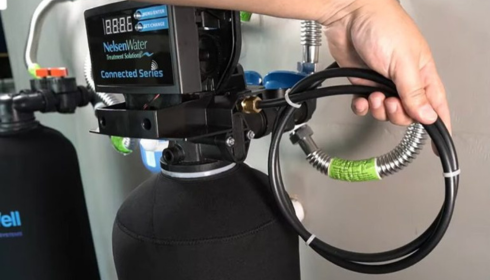
Whole-house filters, especially ones designed to treat sulfur and bacteria, can make a huge difference. And if you’re already considering upgrades, there are even combo systems that filter and soften your water at the same time. Your skin and laundry will thank you.
When It’s Time to Call In a Pro
Look, DIY is awesome—we love a good Sunday project with some elbow grease and YouTube tutorials. But not everything should be a weekend warrior task.
If your hot water smells bad no matter what you do—or if you’re not comfortable poking around your heater—it’s totally fine to call a plumber. A licensed pro can check your system, test your water, swap out the anode rod, flush your tank, and recommend filtration options. You’ll have peace of mind and water that doesn’t smell like swamp gas.
Plus, plumbers know all the tricks—things the internet won’t tell you unless you’re deep in some obscure forum thread from 2009.
How to Prevent the Smell in the First Place
Ah, prevention. The part most people forget about until it’s too late.
Here’s the thing—regular maintenance is your best friend. Flushing your tank a couple of times a year? Easy. Replacing the anode rod before it completely corrodes? Smart. Installing a pre-filter or descaler if your water is known to be mineral-rich? A solid move.
Even just keeping your heater set at the right temperature (not too high, not too low) can help slow down bacteria growth. It’s like dental hygiene for your home—stay on top of it, and you’ll avoid those expensive, smelly surprises down the road.
What If You’ve Got a Tankless Heater?
Good question. Tankless heaters aren’t immune to problems, but they usually don’t suffer from the same odor issues because there’s no standing water sitting around to breed bacteria.
Still, if you’re smelling something weird and you’ve got a tankless system, it might be worth checking your incoming water quality. Even tankless setups can benefit from filters and maintenance. And yes, they still need occasional cleaning—especially in hard water areas.
So don’t assume tankless means “set it and forget it.” It still needs love.
Some Final Thoughts from the Shower
You’d be surprised how many people live with bad-smelling hot water for months—sometimes years—before doing anything about it. Maybe they think it’s normal. Maybe they’re busy. Maybe they just hope it’ll go away on its own. (Spoiler: it usually doesn’t.)
But this is your home. Your sanctuary. You shouldn’t have to wrinkle your nose every time you turn on a tap. Whether it’s a $30 rod replacement, a simple filter install, or just flushing your tank—it’s worth it.
Water should make your life better. Not stink it up.
The Real Deal: Clean Water, Clear Mind
At the end of the day, this whole water heater smell saga is about more than just pipes and tanks. It’s about comfort, confidence, and caring for the space you live in. You deserve water that smells clean, feels clean, and is clean.