There’s a certain irony in hauling cases of bottled water into a house that already has running water in every room. I’ve done it myself — stacking plastic bottles in the pantry, convincing myself it’s just easier this way. The taste feels cleaner. Safer. Predictable.
But at some point, you start wondering why your tap can’t deliver the same confidence.
That’s usually where the conversation about home water filtration begins. Not with fear, not with panic — just with curiosity. What would it take to make the water flowing through your own faucet taste just as fresh as something pulled from a sealed bottle?
The Appeal of Better-Tasting Tap Water
Let’s be honest. Most municipal water systems meet safety standards. But safety and enjoyment aren’t the same thing.
Sometimes there’s a faint chlorine scent. Sometimes a slightly metallic aftertaste. Occasionally, a cloudy glass that clears after a few seconds. None of it necessarily harmful — just… not ideal.
When people talk about achieving bottled-quality tap water, they’re usually talking about consistency. Water that tastes clean every time. Water you’d happily pour for guests without apology.
And when your water tastes better, you naturally drink more of it. That small shift can influence everything from energy levels to cooking habits.
It’s subtle. But it matters.
Why Under-Sink Systems Make Sense
There are plenty of filtration options out there. Pitchers. Countertop units. Whole-house systems. Each has its place.
But for many homeowners, an under-sink design strikes the right balance between performance and practicality. It’s out of sight. It doesn’t take up counter space. And it connects directly to your cold-water line, delivering filtered water through a dedicated faucet.
The installation feels like a quiet upgrade rather than a visible appliance.
You open the cabinet, see a compact system tucked neatly against the wall, and forget it’s even there — until you pour a glass and taste the difference.
That invisibility is part of the appeal.
What’s Actually Being Removed?
This is where things get interesting.
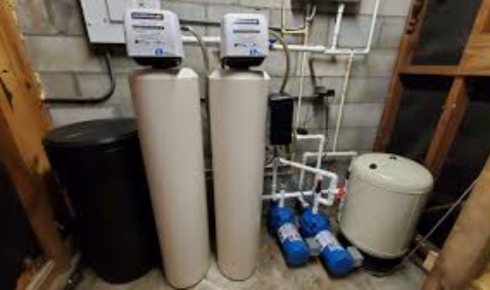
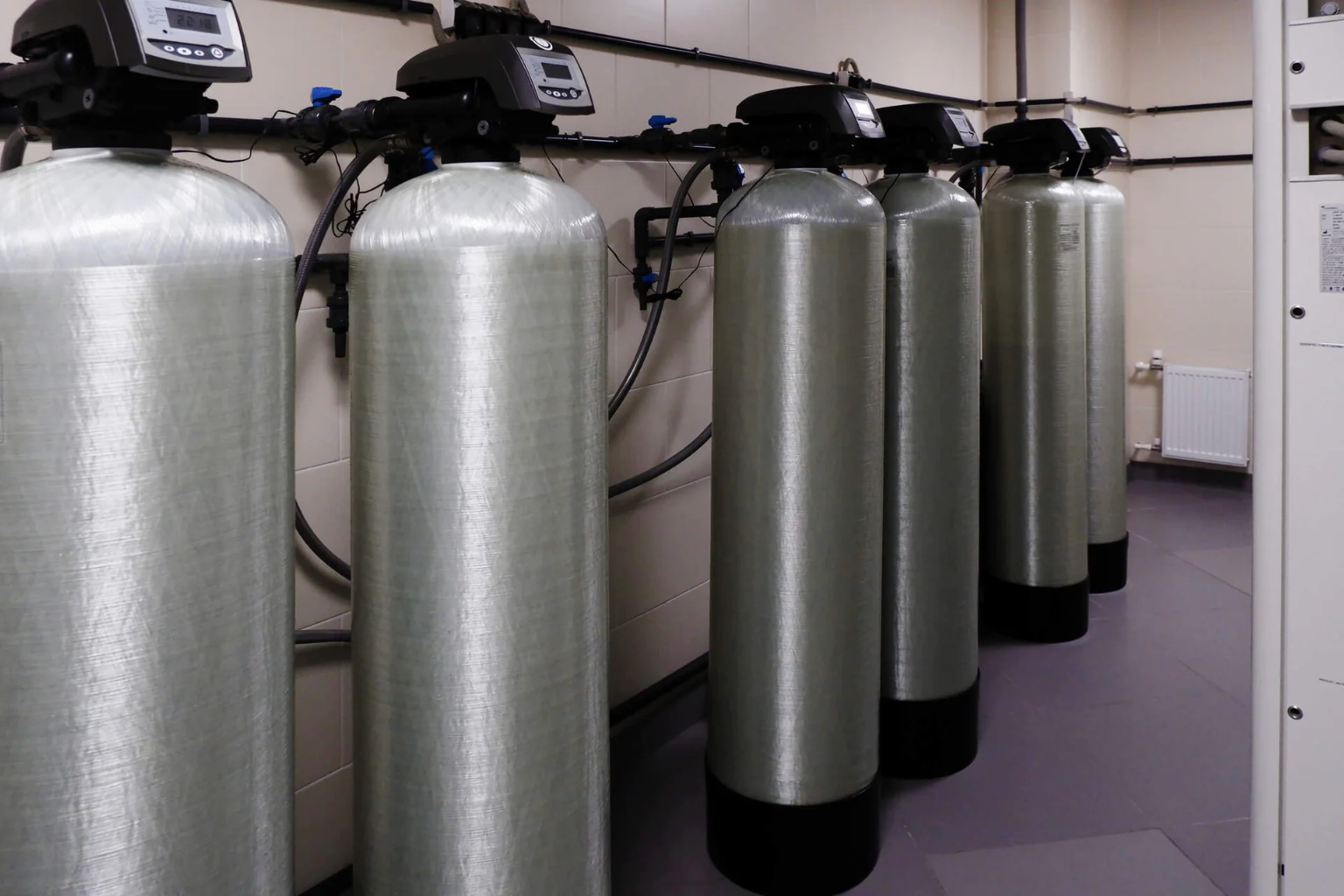
Depending on your local water supply, filtration systems may reduce chlorine, sediment, heavy metals, and certain organic compounds. Some systems go further, using multi-stage processes that incorporate carbon blocks and membranes.
When manufacturers describe their systems as offering advanced purification, they’re referring to layered filtration methods designed to target a wide range of impurities. It’s not just about one filter catching large particles — it’s about refining water at multiple levels.
Of course, no system removes absolutely everything. And not all minerals are bad. In fact, some contribute positively to taste.
The goal isn’t sterile water. It’s balanced water.
The Environmental Question
One of the less-discussed benefits of upgrading your tap is reducing plastic waste.
Bottled water consumption has skyrocketed in recent decades. And while recycling programs help, not all plastic bottles are recycled properly. Many end up in landfills or worse.
By improving your home’s filtration system, you may find yourself buying fewer disposable bottles. That shift feels small at first. But over time, it adds up.
It’s one of those decisions that quietly aligns convenience with sustainability.
Maintenance Isn’t as Complicated as It Sounds
There’s a common misconception that filtration systems are high-maintenance. In reality, most modern under-sink units require filter replacements once or twice a year.
It’s not entirely hands-off. But it’s manageable.
In fact, the most challenging part is remembering when it’s time to swap filters. Many systems now include indicators or recommended schedules to make that easier.
And once you’ve done it once, it feels less intimidating.
A Different Kind of Home Upgrade
When people renovate kitchens, they focus on cabinets, countertops, lighting. Rarely does water quality make the vision board.
Yet water touches almost every daily activity in the kitchen — drinking, cooking, washing produce, filling the coffee maker.
Improving it isn’t glamorous. It doesn’t show up in listing photos.
But it enhances daily life in ways that flashy finishes can’t.
Does Everyone Need One?
Not necessarily.
If your water already tastes great and testing shows minimal contaminants, you might be perfectly content without additional filtration.
But if you find yourself reaching for bottled water out of habit, it may be worth reconsidering.
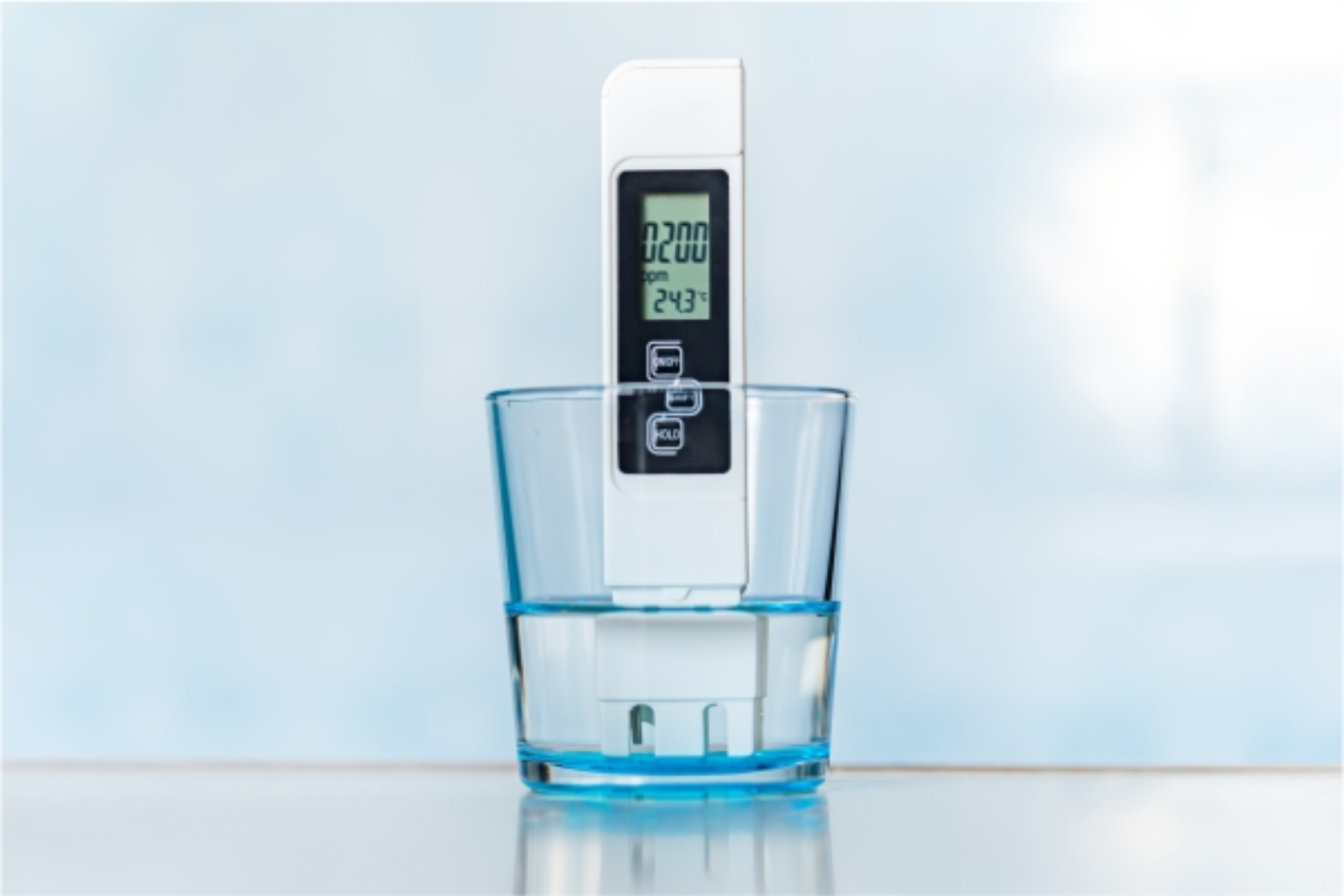
Testing your water is always a good first step. It replaces guesswork with facts. And facts make decisions easier.
The Experience of Confidence
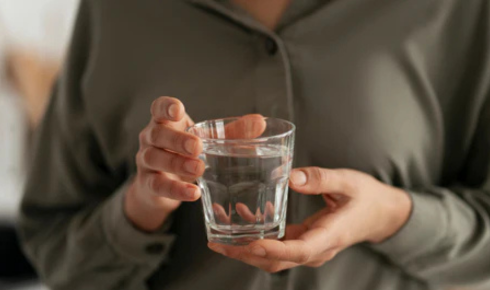
There’s something quietly satisfying about pouring a glass of water from your own tap and knowing it’s clean, fresh, and reliable.
No second guessing. No hauling cases from the grocery store. No clutter in the pantry.
Just water — clear and simple.
In a world full of complicated upgrades and constant product launches, sometimes the most meaningful improvements are the ones that blend seamlessly into everyday life.
And better water, flowing quietly from your kitchen faucet, might be one of them.