
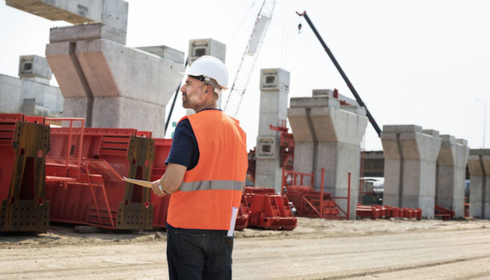
There’s something grounding about construction — something that feels honest. Maybe it’s the rhythm of a framing nailer on a quiet morning or the way a fresh concrete pour makes an entire site pause for a moment. Or maybe it’s the pride that comes from watching a structure grow from nothing to something you can literally touch.
But there’s another truth tucked inside this world of steel, sawdust, and sweat: construction careers can pay incredibly well. And not in a vague “good job security” way — in a life-changing, financially stable, future-proof way.
The industry has always relied on skilled labor, but now those skills are in record-high demand. Older workers are retiring faster than new ones enter the field. Cities are expanding. Homes are behind schedule. Infrastructure needs rebuilding. All of this has created a fascinating shift — the trades aren’t just respected again… they’re becoming some of the most financially rewarding paths out there.
So let’s take a thoughtful walk through this world — the roles that pay big, the reasons behind the numbers, and the careers that are quietly rising above the rest.
Why Construction Pay Has Skyrocketed (And It’s Not Slowing Down)
Most people outside the industry still think construction jobs follow a simple pattern: physically demanding work with average pay. But that narrative is outdated — painfully outdated. These days, demand for skilled workers has turned certain jobs into some of the best paying construction jobs on the market.
Companies are competing. Projects are piling up. And the workforce shortage is pushing salaries upward in ways we haven’t seen in decades.
If there’s ever been a time to enter the trades or specialize within them, it’s right now.
Where Specialization Meets Real Money
There’s a reason certain trades rise above the rest in earnings. It’s not just about physical strength or showing up on time (though both matter). The higher-paying trades tend to involve deeper technical knowledge, special licensing, safety training, or an unusually short supply of workers.
Think about elevator mechanics — responsible for installing and maintaining massive systems people trust their lives with every day. Or industrial electricians who troubleshoot complex wiring inside commercial and manufacturing buildings. Or pile driver operators, whose work keeps entire structures stable from the ground up.
These aren’t tasks you pick up on a weekend. They require training, precision, and calm under pressure. And employers are more than willing to pay top dollar for those qualities.
That’s how so many roles end up among the highest paid construction trades, even out-earning many college-required careers.
What Makes Some Trades Earn So Much More Than Others?
Construction isn’t a straight line — it’s a layered system of specialties. And the financial value of each trade tends to come from a combination of factors:
- Risk: High-risk jobs often pay more due to safety demands.
- Training: Certifications, apprenticeships, and licensing add value.
- Shortage: Fewer qualified workers mean higher pay.
- Technical complexity: The more precise the work, the more companies are willing to pay.
- Responsibility: Jobs that impact structural safety carry higher salaries.
So when you hear about roles like power-line installers, boilermakers, or crane operators earning more than many office jobs, it’s not surprising — it’s simply supply and demand doing its thing.
Some workers ask which single role stands above the rest, and depending on the year and region, the answer shifts. But overall, elevator mechanics consistently remain near the highest paid construction trade across the board.
Homebuilding Is Evolving Too — With Big Earning Potential
People often assume commercial and industrial construction are where the real money sits. And yes, those sectors pay extremely well. But homebuilding — especially modern homebuilding — isn’t far behind.
With smart home systems, energy-efficient installations, evolving building codes, and specialized materials becoming the norm, residential construction is now filled with high-paying niches too.
For example:
- HVAC technicians who understand new high-efficiency systems
- Plumbers familiar with modern water filtration setups
- Roofers specializing in solar-integrated materials
- Electricians trained in smart-home installations
- Concrete finishers with decorative or stamped design skills
The more specialized you become, the more your earning ceiling rises.
The Human Side of Choosing a Career in the Trades
Let’s step away from the numbers for a second. Picking a career isn’t just about income — it’s about identity, lifestyle, and what makes you feel like you’re moving in the right direction.
Plenty of people go into construction because they like working with their hands. Others like the independence. Some love the variety — new sites, new challenges, new problems to solve. And many appreciate that construction doesn’t force them into years of school debt.
But there’s another group quietly entering the trades: people who want stability. People who want a career where skill matters more than office politics. People who want to learn something real, something useful, something that keeps paying them back.
And honestly? There’s nothing wrong with choosing a job that pays well while giving you a sense of pride too.
How Experience Turns Into Earnings (Fast)
One thing that surprises newcomers is how quickly pay grows in the trades. Unlike corporate jobs, where raises drip in slowly, construction rewards skill as soon as you earn it.
A first-year apprentice might start modestly.
But a skilled, trained, certified craftsperson? Their value skyrockets.
Within just a few years, many workers reach incomes equal to — or higher than — college-educated professionals. And they do it without waiting a decade for promotions.
Trades reward:
- consistency
- reliability
- craftsmanship
- problem-solving
- continuous learning
The formula is simple: become good, and your paycheck shows it.
Why the Future Looks Extremely Bright for Construction Careers
We’re heading into a period where construction demand will only grow.
Cities need updating.
Homes need building.
Infrastructure needs rebuilding.
Retirements are accelerating.
Technology is expanding the industry’s capabilities.
The gap between open positions and available workers is widening, and wages will continue rising to fill that gap.
This isn’t speculation — it’s already happening.
A Final Thought: The Trades Deserve More Respect — And They’re Finally Getting It
For years, construction careers were treated like a backup plan. Something people “fell into” instead of choosing intentionally. But that story is changing.