Let’s face it. When you move to a new city—or even if you’ve lived there for years—you’ve probably wondered: “Can I trust what’s coming out of my tap?” It’s a fair question, and if you’re in Austin, Texas, the chatter around the topic can be… mixed. Some folks swear by their reverse osmosis filters. Others gulp down straight-from-the-tap water with no second thoughts.
So, is Austin water safe to drink? Let’s dive into what you need to know—not from a cold, impersonal list of stats, but from the perspective of someone who gets the concern, cares about health, and values straight answers.
A Glimpse Into Austin’s Water Sources
Austin’s water is primarily sourced from the Colorado River—more specifically, from the Highland Lakes system, including Lake Travis and Lake Austin. That’s some serious freshwater, and it travels quite a bit before hitting your faucet.
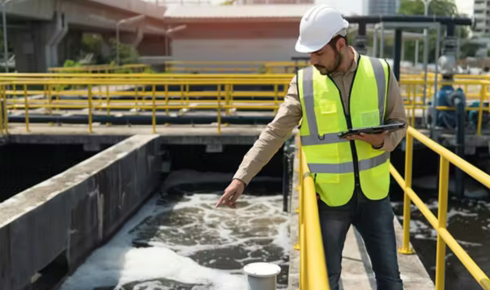
Austin Water, the city’s utility provider, treats the water through a multistage process involving sediment removal, disinfection with chlorine and chloramine, and filtration. The result? Water that meets or exceeds federal and state safety standards. On paper, that’s reassuring.
But paper and experience don’t always match.
The Whole “Is It Safe?” Conversation
Let’s talk real-world safety. Government agencies like the EPA set limits for contaminants in drinking water. And according to annual water quality reports, Austin’s tap water consistently falls within those allowed limits. There’s a pretty strong case to be made that, yes, it is safe to drink tap water in Austin. No boiling, no prayers necessary.
Still, a lot of residents remain skeptical—and not without reason.
For instance, trace contaminants like chlorate, bromate, or lead (from aging pipes) might still show up, even if they’re under legal thresholds. And legal doesn’t always mean ideal. What’s “acceptable” to the EPA might still raise eyebrows for someone cautious about long-term exposure, especially with kids at home.
Taste, Smell, and the Whole Vibe
Let’s not ignore the elephant in the kitchen: the taste.
Austin’s tap water doesn’t exactly win flavor-of-the-year. Depending on the season, you might notice an earthy or musty taste. This is often due to algae blooms in the lakes (totally harmless but off-putting), or just fluctuations in the mineral content.
A lot of people install carbon filters or opt for pitchers like Brita not because the water is unsafe, but because they just want it to taste… better. And hey, no judgment there. We all want our hydration to go down smooth.
When the Boil Notices Hit
If you’ve lived in Austin for a few years, you’ve probably experienced a boil water notice—or three. Between heavy rains overwhelming the treatment plants and equipment failures, these warnings pop up now and then.
When they do, you’re told to boil tap water before using it for drinking, cooking, or brushing your teeth. It’s precautionary, but it can be nerve-wracking. And even if it lasts only 48 hours, it shakes your confidence.
So, austin tap water is generally fine—but it’s not without its occasional hiccups. And for some, that’s enough to stay cautious year-round.
Filtering: A Peace of Mind Thing
Here’s the thing. Even though Austin’s water checks out legally, a lot of people still choose to filter it. And not just with those trendy filters that sit on your faucet.
We’re talking reverse osmosis systems, under-sink setups, and whole-home filtration. It’s not always about removing “dangerous” stuff—it’s about taste, mineral content, and peace of mind.
Filters can remove chlorine, lead (if your pipes are old), fluoride (if you’re not a fan), and microplastics. And while none of these are confirmed crises in Austin’s system, filtration is a personal choice.
Vulnerable Populations: A Note of Caution
If you’re pregnant, have a compromised immune system, or have little kids chugging sippy cups full of tap water, you might be wondering: Is it really okay?
Short answer: Yes, in most cases. But if you live in an older house with potentially aging plumbing, or if your family is extra sensitive, getting your water tested could be a smart move.
It’s not overkill. It’s parenting (or self-care) done right.
What the City Is Doing Right
To be fair, Austin isn’t just sitting back and coasting.
The city conducts thousands of water quality tests per year. They publish detailed annual reports, participate in EPA monitoring programs, and continually upgrade their infrastructure. They’re not perfect, but they’re not negligent either.
The city’s approach is proactive. And they’re usually pretty fast in alerting the public when something’s off.
Still, if you’ve ever thought, “Is austin water safe to drink?” while sipping your glass with a raised eyebrow—you’re not alone. Even with all the oversight, it’s okay to want a little more reassurance than just “the report says it’s fine.”
Locals’ Real-Life Take
Ask 10 Austinites about their tap water and you’ll probably get 10 different answers.
Some love it and drink it straight every day. Others won’t touch it without a filter. A few stock up on bottled spring water just in case. It’s not necessarily a red flag—it’s just part of the water culture in the city.
Honestly, water habits here are like barbecue preferences—everyone’s got their take, and they’ll defend it fiercely.
Final Thoughts: Should You Drink It?
Here’s the bottom line:
- Yes, Austin tap water is treated and legally safe to drink.
- No, it’s not perfect—and occasional boil notices or taste issues are part of the package.
- Filtering isn’t mandatory, but it can improve taste and reduce even trace contaminants.
- Testing your home’s water (especially if your pipes are old) might give you peace of mind.
- And if you’re still uncomfortable? Stick to bottled or filtered. Your health, your call.
Whether you’re a newcomer unpacking boxes or a lifelong Austinite who’s just never given it much thought—your question is valid. Water is personal. And when something is as essential as what we drink every single day, asking “is it safe to drink tap water in Austin?” is not just reasonable—it’s smart.