Let me tell you a little story. A few summers ago, smack in the middle of July, my AC gave up on life. No warning signs. No funky sounds. Just… silence. And trust me, nothing prepares you for a heatwave like that without working air. I scrambled, I Googled, I asked neighbors — and eventually found an AC repair contractor near me who saved the day. But the whole fiasco made me realize how clueless most of us are when it comes to HVAC stuff. So, here’s my attempt to make things a little easier for the next person sweating bullets at 2 a.m.
Don’t Wait Until It Breaks to Learn About HVAC
We all take air conditioning for granted. That soothing hum, the crisp air, the miracle of walking into a cool room on a hot afternoon—it’s magic. Until it’s not.
See, most of us only call the pros when something’s gone horribly wrong. But AC systems aren’t like toasters. They’re complex machines with filters, coils, thermostats, compressors, ductwork, refrigerants… you get the idea. The tiniest issue, if left unchecked, can snowball into a full-blown disaster. So, lesson one? Regular maintenance. It might not be sexy, but it saves you big bucks and keeps you cool.
Why “CFM” in HVAC Actually Matters
Let’s geek out for a second. Ever heard the term CFM in HVAC and thought, “Yeah, I’ll just pretend I know what that means”? Same. Turns out, it stands for Cubic Feet per Minute — basically, how much air your system moves.
Why does it matter? Because if your system is pushing too little air, you won’t get enough cooling. Too much, and it could wear out your unit or make your rooms feel like wind tunnels. CFM is about balance. Think of it like pouring water into different-sized glasses. You want the right flow, not a flood or a trickle.
When getting a new unit or making repairs, make sure your contractor talks CFM. It’s one of those behind-the-scenes things that quietly makes or breaks your comfort level.
The Many Faces of AC Repair
“AC repair” sounds simple, right? Your air conditioner’s broken, someone fixes it. But oh boy, the layers.
Sometimes it’s a clogged filter. Other times, it’s a dying compressor. Maybe the thermostat’s fried. Or the refrigerant’s low. Or—fun one—the drainage pipe is backing up water into your attic. Fun times.
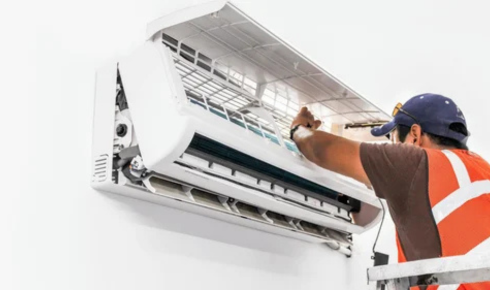
The best technicians don’t just “patch up” problems. They troubleshoot. They ask questions. They look for the root cause. And yeah, they might charge a little more, but you’ll thank yourself later when your AC doesn’t tap out again in two weeks.
I once hired a guy for a cheap ac repair job who literally duct-taped a coil. No kidding. It worked—for about 36 hours.
What to Look for in a Contractor (Trust Me, This Matters)
So, when your unit goes rogue, who do you call? Yelp? Google? Facebook moms group? Here’s what I learned the hard way:
- Certifications matter – Look for NATE-certified technicians or someone licensed and insured. HVAC isn’t guesswork.
- Local experience is golden – They’ll know the climate, common issues in your area, and how to work with the building codes.
- Ask about warranty and parts – Will they use OEM parts? Do they guarantee their labor? These questions matter.
- No-pressure sales – If someone walks in and immediately tries to sell you a $7,000 unit, pause. A good tech will inspect first, talk second.
You can usually feel it when someone’s being honest. And when in doubt, trust your gut.
Quick Tip: Don’t Ignore These Signs
Before my AC crashed, there were signs. I just didn’t know they were signs. So let me help you out.
- AC’s blowing warm air? Could be refrigerant or airflow.
- Weird smells? Mold, mildew, or burned wires.
- Loud clanking or buzzing? Fan or motor issues.
- High electricity bills? Unit might be working harder than it should.
Don’t play hero. Call someone when things feel “off.” Waiting it out only leads to bigger bills and more sweat.
Size Does Matter
Okay, not to be dramatic, but buying the wrong size AC unit for your space is like wearing shoes two sizes too small and then running a marathon.
Too small? It’ll run constantly, trying to keep up. Too big? It’ll cool too fast without dehumidifying, leaving your air cold but clammy.
That’s why a proper load calculation (based on square footage, insulation, windows, climate, etc.) is a must. Any legit contractor will insist on this step. If they skip it? Run.
Maintenance Isn’t Optional
I used to think maintenance was a money grab. Then I watched a buddy’s unit die because of a dirty coil. He could’ve fixed it with a $30 cleaning, but instead had to replace a $1,500 part.
So yeah—replace filters every 1–3 months. Clean your outdoor unit. Schedule seasonal checkups. Think of it like an oil change. Regular care = fewer breakdowns.
When DIY Works (And When It Really Doesn’t)
Let’s be honest: we all love a good YouTube fix. And yeah, some stuff is totally DIY-friendly. Replacing filters? Easy. Cleaning vents? Sure. Resetting a tripped breaker? Go for it.
But beyond that? Be careful. Messing with refrigerant or electrical components without training is dangerous. Plus, you could void warranties or make the problem worse.
If you’re ever unsure, just search for a trusted AC repair contractor near me and call someone who knows their stuff. No shame in letting a pro handle it.
Final Thoughts: Comfort is Worth the Effort
There’s something incredibly comforting about walking into a space that just feels right. Cool when it’s hot out. Warm when the chill hits. Quiet, consistent, and efficient.
Your HVAC system plays a massive role in your quality of life, whether you realize it or not. And taking care of it—through maintenance, informed choices, and good help—isn’t just smart. It’s essential.
So, next time your AC acts up, don’t panic. Take a breath. Check for the signs. Do your research. And don’t hesitate to call a pro when you need one.
Because at the end of the day, peace of mind feels an awful lot like a cool breeze on a hot day. And if that’s not worth investing in, I don’t know what is.