I didn’t grow up thinking much about water. It came out of the tap, filled the kettle, and that was that. But when you’ve lived with well water for a while, especially in rural areas, the story gets murkier — sometimes literally. The taste might be off. The stains on your sinks and tubs won’t go away. And somewhere down the line, you realize: water isn’t just water. It’s a whole ecosystem coming through your pipes. And it deserves better.
So let’s talk about it — not from a place of hard sales or soulless SEO writing, but from experience, curiosity, and maybe even a bit of frustration. Because if you’re reading this, you’ve likely wrestled with these questions too.
When Clean Isn’t Actually Clean
Well water is, in many ways, a beautiful thing. It’s self-reliant, often mineral-rich, and doesn’t come with a monthly bill from the city. But it’s also unpredictable. Rainfall changes things. The soil around your home changes things. A nearby farm or road construction? That can change everything.
One day your water tastes like iron. The next, it smells like rotten eggs. And despite all your efforts, your whites come out of the laundry slightly orange. That’s where well water treatment becomes not just a luxury — but a necessity.
You’re not just cleaning water for taste. You’re protecting your pipes from scale, your appliances from corrosion, and your family from harmful bacteria or nitrates. And while boiling water or using a jug filter might feel like a solution, trust me, it’s not enough in the long run.
Not All Softness Is Electric
Here’s something else they don’t tell you: most water softeners are electricity hogs. They regenerate on timers whether they need to or not, wasting salt, water, and energy. It’s kind of like watering a plant that’s already soaked — doesn’t help, might actually hurt.
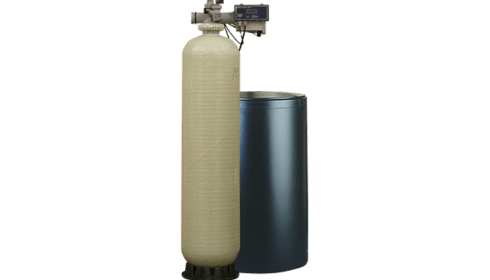
That’s why non‑electric water softeners have quietly gained a following. These systems work on water demand — not guesswork. They’re powered by water flow itself, which means fewer parts to break, fewer headaches to deal with when the power flickers, and overall, a more sustainable setup.
Plus, for off-grid homes or areas where outages are common, going non-electric is practically a no-brainer. Less maintenance, more reliability. No blinking lights to interpret. No weird digital screens. Just water doing what it’s supposed to do.
More Than Just a Sip
Let’s not forget the water we put in our bodies — the stuff we cook with, drink, pour into our pets’ bowls. If your well is untreated, chances are you’ve questioned that glass of water a few times. Maybe you’ve spotted sediment at the bottom. Maybe you’ve wondered about that slightly metallic aftertaste. You’re not alone.
Drinking water treatment for well systems isn’t just about taste (though that’s a big win). It’s about safety — removing harmful bacteria, volatile organic compounds, nitrates, arsenic, and more. The invisible stuff. The stuff you can’t boil out or “get used to.”
Reverse osmosis systems, UV filters, activated carbon — these all sound high-tech, but they’re fairly accessible now. And the difference they make? It’s not subtle. Suddenly your tea tastes better. Your pasta water is clearer. Your peace of mind is… present.
The Emotional Side of Clean Water
This part doesn’t get talked about enough. Clean water isn’t just a utility — it’s emotional. When your water isn’t right, you feel it every day. You hesitate before brushing your teeth. You overthink your morning coffee. You worry a bit when guests come over. It’s a silent stressor, lurking behind everyday moments.
When your water is truly clean and soft? That stress disappears. Suddenly, everything feels a little more luxurious, even if you haven’t changed anything else. Showers feel like they rinse you off more completely. Dishes sparkle just a bit brighter. Your skin stops feeling tight after a rinse.
It’s small, but powerful.
But Do You Really Need All That?
Honestly? That depends.
Some wells are naturally low in iron and bacteria. Others are practically ticking time bombs of mineral overload. The only way to really know is to test. And not just once — but maybe every year or two. Think of it like an annual physical for your home’s bloodstream.
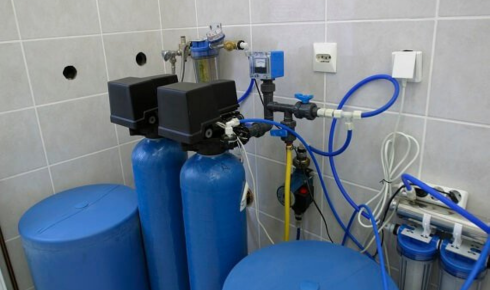
The right system isn’t necessarily the biggest or most expensive. Sometimes, it’s a single sediment filter. Other times, it’s a whole-house combo of softener, UV, and reverse osmosis. Don’t fall for overkill, but don’t underestimate the power of tailoring your treatment to your water’s real personality.
Final Thoughts (From Someone Who’s Been There)
Look — this isn’t about scaring anyone into a $5,000 system they don’t need. It’s about noticing what your water is telling you, and deciding how much of that you’re willing to live with.
For me? I finally caved when my showerhead clogged one too many times. That led to a test, which led to a softener, which (eventually) led to a drinking system under the kitchen sink. It wasn’t overnight. It wasn’t cheap. But it was worth every cent for the quiet relief of knowing — yeah, we’re good.
You don’t have to overhaul everything at once. Just take the first step. Test your water. Talk to a pro. Read real reviews. Don’t let the complexity scare you away from a simple goal: water that makes your life easier, not harder.
Because once you get there, you’ll wonder why you waited so long.