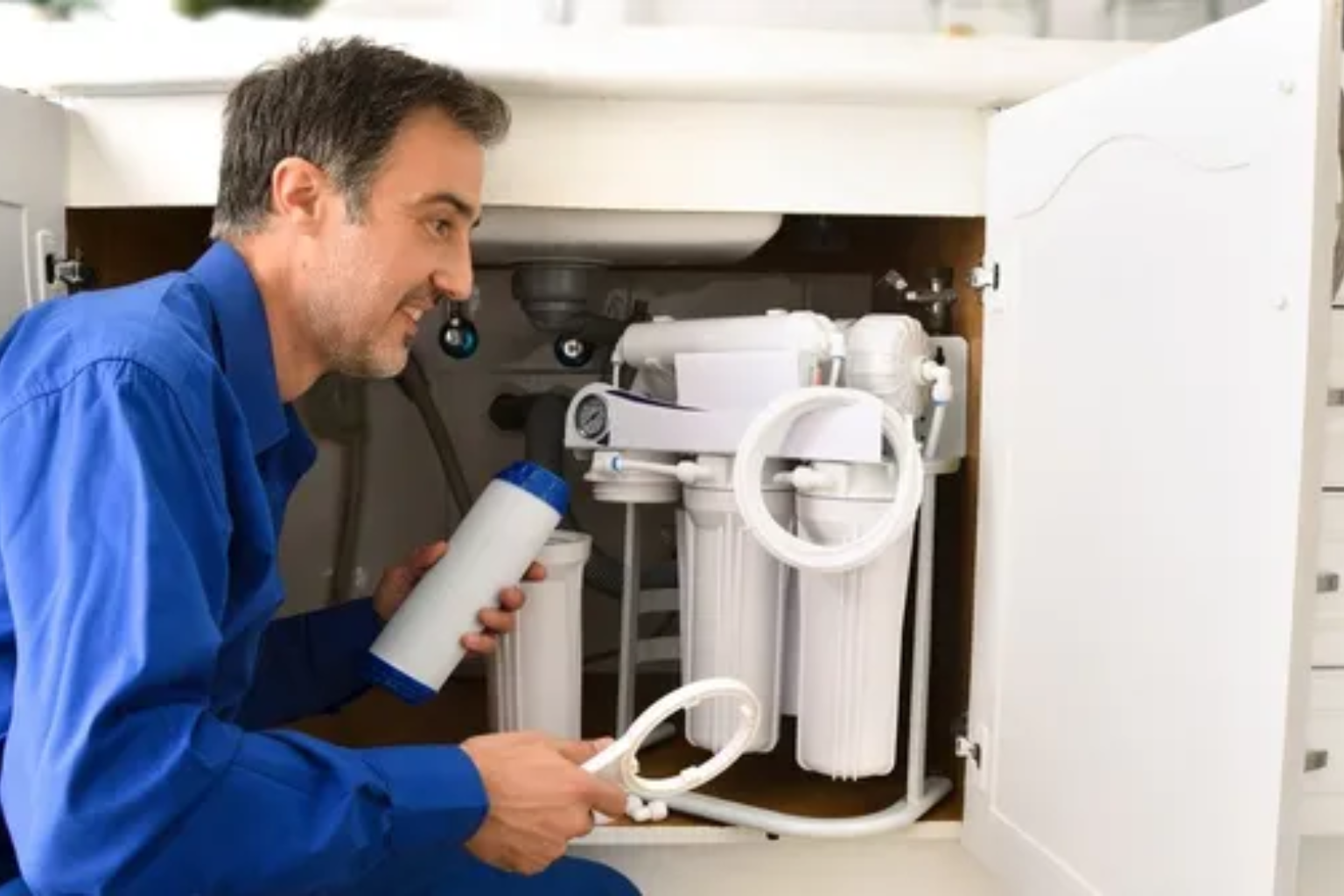
We often take our clean water for granted. You twist the tap, water flows, and there it is—clear, cool, seemingly perfect. But behind that glass lies a quiet hero: your reverse osmosis (RO) system. Tucked away under your sink or mounted in your garage, this powerhouse works around the clock, purifying your water drop by drop.
And yet, so many homeowners install one and then forget it even exists—until something tastes off or the pressure dips. That’s when they realize: like any piece of smart home equipment, an RO system needs a little love to keep doing its job right.
Why Reverse Osmosis Deserves Your Attention
Reverse osmosis isn’t just some fancy term companies throw around to sell high-tech gear. It’s one of the most effective water purification methods on the market. Using a semipermeable membrane, it filters out contaminants like lead, nitrates, fluoride, chlorine, and even some bacteria and viruses. It leaves you with crisp, clean water that often tastes better than bottled—and without the environmental guilt.
But here’s the catch: all that filtering takes a toll.
Over time, filters clog, membranes degrade, and components wear out. Without routine upkeep, your system might slow down or stop working altogether. And when you need help, it’s important to know who you can trust to service reverse osmosis system setups like yours. The good news? Plenty of pros specialize in exactly that, and a quick call can bring your unit back to life.
The Hidden Costs of Neglect
Let’s be honest—most of us aren’t monitoring our RO systems every month. Life gets busy. But ignoring them for too long can lead to problems that are more than just annoying.
First off, the taste of your water might shift. That smooth, mineral-balanced flavor? Gone. In its place, you could get flat, chlorine-tinged, or even slightly salty water, depending on what your system is failing to block. And let’s not even get into the health concerns if harmful substances sneak back in due to a worn-out membrane.
Then there’s the system itself. When filters get overloaded, the membrane has to work harder, which shortens its lifespan. Eventually, you’re looking at a full system replacement—when a simple filter swap months ago could’ve saved you hundreds.
That’s why regular reverse osmosis maintenance isn’t just “nice to have.” It’s essential. Think of it like changing your oil—boring, maybe, but non-negotiable if you want performance.
So… What Does Maintenance Actually Look Like?
Glad you asked. It’s not rocket science, but it does take consistency.
- Pre-filters should usually be changed every 6 to 12 months. These catch larger particles and protect the more sensitive parts of the system.
- The RO membrane typically lasts around 2–3 years, but that depends on your water quality and usage.
- Post-filters, which polish the water before it hits your faucet, might need changing every 12 months or so.
Of course, those are averages. If you’re running a commercial space, live in a hard-water zone, or have a particularly high demand for clean water (hello, home-brewers and aquarium folks!), your schedule may be tighter.
That’s where real reverse osmosis support comes in handy. A good provider doesn’t just install your unit and disappear. They’ll offer annual service packages, reminders, troubleshooting help, and even emergency visits if something goes wrong.
When Something Doesn’t Feel Right
So maybe you’ve noticed a weird taste in your water—or your system’s making a hissing noise it never used to. Don’t panic. These are usually symptoms of minor issues like a worn-out O-ring, a clogged filter, or a pressurization problem.
The worst thing you can do is ignore it. A ten-minute fix today could prevent a multi-hundred-dollar repair tomorrow.
In fact, many RO system companies offer virtual troubleshooting now. You call, describe the symptoms, and they walk you through basic diagnostics. If it’s beyond a DIY fix, a technician swings by.
The key is getting help before your system goes completely out of commission. Because once that happens, you’re not just without filtered water—you’re risking damage to your plumbing, your refrigerator, and even your health.
Do-It-Yourself or Call the Pros?
We live in the age of YouTube, so yes—you can find countless tutorials on how to replace filters, sanitize the tank, or check for leaks. And for the handy, it’s doable.
But here’s the thing: not all systems are the same. A misaligned filter or improper reassembly can lead to leaks, poor filtration, or worse. If your system is still under warranty, self-servicing might even void the coverage.
So if in doubt? Don’t risk it. Hire someone who knows what they’re doing. Most service visits are affordable and quick—and they’ll leave you with peace of mind and a properly functioning system.
Your Water, Your Responsibility
At the end of the day, water is personal. You drink it. Your kids bathe in it. Your dog laps it up from the bowl on the floor. It’s part of your life in ways you rarely think about.
But just because it’s out of sight doesn’t mean it should be out of mind.
Caring for your reverse osmosis system isn’t glamorous. No one’s going to throw you a party because you changed a sediment filter. But you’ll feel the difference. In the taste. In the confidence. In the quiet satisfaction of knowing you’re not leaving your water quality to chance.