There’s a shift happening. Quiet, but steady — like a tide turning beneath the surface. More and more of us are rethinking how we live, not just what our homes look like. Because, let’s face it, a space isn’t truly beautiful if it comes at the expense of the planet.
We’re moving past the days when flashy interiors meant overconsumption. Now, thoughtful design is stepping into the spotlight — design that respects nature, that supports well-being, that actually feels good to live in. Not just trendy. Not just Instagrammable. But conscious, calm, and kind.
So how do you build or renovate a home that’s good for both your soul and the soil? It’s not about going full off-the-grid or giving up comfort. It’s about small, intentional choices — about weaving awareness into the design process from the ground up.
Here’s how to do it.
Start With a Purpose, Not a Pinterest Board
Before you pick paint colors or furniture styles, take a deep breath and ask yourself: Why am I designing this space?
Is it to create a cozy family hub? A minimalist retreat? A studio for creativity? Knowing the function behind your form helps steer the choices ahead — especially when balancing aesthetics with eco-conscious decisions.
We often jump straight to looks — marble counters, rattan chairs, that arched bookshelf we saw on TikTok. But what if we paused and asked, “Does this support how I actually live?” That’s where smart, sustainable design begins.
Sustainability Isn’t a Trend — It’s a Foundation
The word gets thrown around a lot. You see it on coffee cups and clothing tags, slapped onto ads like a badge. But when it comes to design, sustainability isn’t a buzzword. It’s the backbone.
At its core, it’s about creating spaces that last. That don’t exhaust resources or leave behind a mess for the next generation. Think furniture built to endure decades, not just seasons. Flooring that’s sourced responsibly, without deforestation. Paints that don’t poison the air.
It also means using what you have. Repurposing. Salvaging. Mixing vintage with new instead of tossing everything and starting from scratch. Sometimes, the greenest thing you can do is not replace what still works.
And honestly? There’s a quiet beauty in that.
Not All Materials Are Created Equal
You don’t have to be a builder or environmental scientist to make smart choices. Just knowing a few basics about eco-friendly materials can change everything.
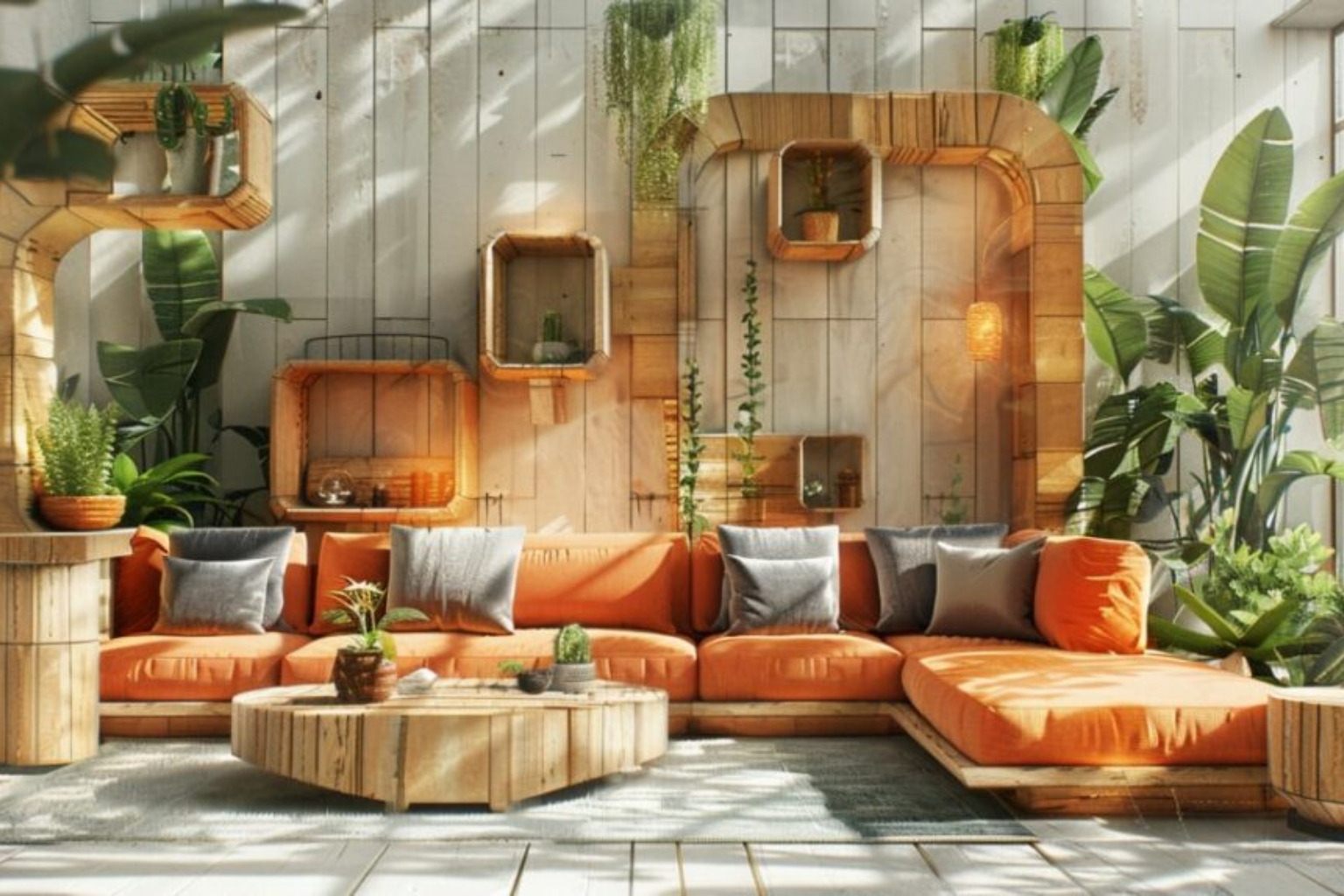
Look for reclaimed wood, cork, bamboo, recycled metal, and low-VOC (volatile organic compound) finishes. These materials are easier on the planet and on your health. And they often bring a unique texture or story to your space.
For example, a dining table made from old barn wood has a charm that mass-produced pieces just can’t replicate. That same table keeps perfectly usable material out of landfills and tells a story at every meal. It’s a win-win.
Even smaller touches — organic cotton throws, jute rugs, clay tiles — they all add up. You don’t need to go all-in overnight. Just start asking: “Where did this come from, and where will it go?”
Let the Sunlight In, Turn the Energy Bill Down
Designing sustainably doesn’t stop at materials. How your space uses light, air, and heat plays a massive role too.
Let’s talk about energy efficiency — the unsung hero of smart interiors.
It begins with layout. Are your windows placed to take advantage of natural light throughout the day? That alone reduces the need for artificial lighting and cuts down on electricity use.
Then there’s insulation. Properly insulated walls, floors, and ceilings keep your home warmer in winter and cooler in summer — meaning less strain on your HVAC system. Energy-efficient appliances and LED lighting are another must. They do the same job but sip power instead of gulping it.
And don’t forget low-tech tricks: heavy curtains to retain heat, ceiling fans to circulate air, planting trees for shade.
Good design doesn’t just look smart. It is smart.
Less Can Be More — Truly
Minimalism isn’t about empty rooms or cold spaces. At its best, it’s about intention.
When you pare down to what really matters, every piece you bring in has meaning. That means less waste, less clutter, and less consumption — all of which support a lighter footprint.
But don’t confuse minimalism with sacrifice. It’s not about deprivation. It’s about designing a space that reflects your values, not just your wishlist.
In many ways, sustainability and minimalism are natural dance partners. They both say: “Slow down. Think twice. Choose well.”
A Home That Breathes
It’s easy to forget that our spaces are living environments. They breathe, change, absorb — just like we do.
Sustainable homes support better indoor air quality. Natural materials release fewer toxins. Plants filter and freshen. Cross-ventilation clears out the stale and invites in the new.
There’s something incredibly grounding about walking barefoot on a natural fiber rug, or leaning against a clay-plastered wall that seems to hold the light. These subtle moments connect us to the space in a way synthetic materials rarely do.
A home built with care doesn’t just shelter you. It nurtures you.
Support Local, Think Global
Every time you choose local artisans, regional suppliers, or small-batch creators, you’re not just getting a unique piece — you’re supporting circular economies and reducing shipping emissions.
Global sustainability starts at home.
That custom coffee table from your neighborhood carpenter? It’s not just furniture. It’s community, it’s connection, it’s craftsmanship. And it’s often more enduring than something shipped from halfway across the world in a thousand layers of packaging.
It’s Not About Perfection — It’s About Progress
Nobody gets it 100% right. And that’s okay.
Maybe you still love your IKEA sofa. Maybe your kitchen isn’t zero-waste. Maybe you’re just starting to learn what makes a material sustainable in the first place. That’s part of the process.
The point isn’t to design the perfect green home. It’s to keep trying. Keep choosing better where you can. Keep asking questions. Keep learning.
Even one thoughtful change — switching to compostable cleaning products, adding more plants, replacing old bulbs — can start a ripple.
Final Thoughts: Designing With Heart (And Earth) in Mind
When all is said and done, what makes a space truly yours isn’t just the layout or the color palette. It’s the care woven into every decision. It’s the intention. The pause before buying. The extra minute spent learning about materials. The patience to wait for the right piece instead of the fast one.