If you’ve ever taken a sip from your tap and thought, “Huh, tastes a little… off,” you’re not alone. Most of us don’t grow up checking water stats or worrying about microscopic particles. We just trust what comes out of the faucet. But when the flavor’s weird, or your kettle gets that crusty buildup, or your showerhead spits out more rust than water, you start wondering — what’s really in there?
One of the things that often comes up in water chats is “TDS.” It sounds technical (and it kinda is), but the good news is: you don’t need a chemistry degree to understand it. Just a little curiosity and, okay, maybe a cheap TDS meter from Amazon. Let’s unpack the real stuff — the kind of water talk you’d have over coffee with someone who’s actually dealt with a funky sink or a hard water nightmare.
So… What Even Is TDS?
Let’s start simple. You know how salt dissolves in water and disappears? Imagine a bunch of other stuff doing the same — minerals, metals, salts, even a few things you don’t want to think about. That invisible mix is what we call Total Dissolved Solids, aka TDS.
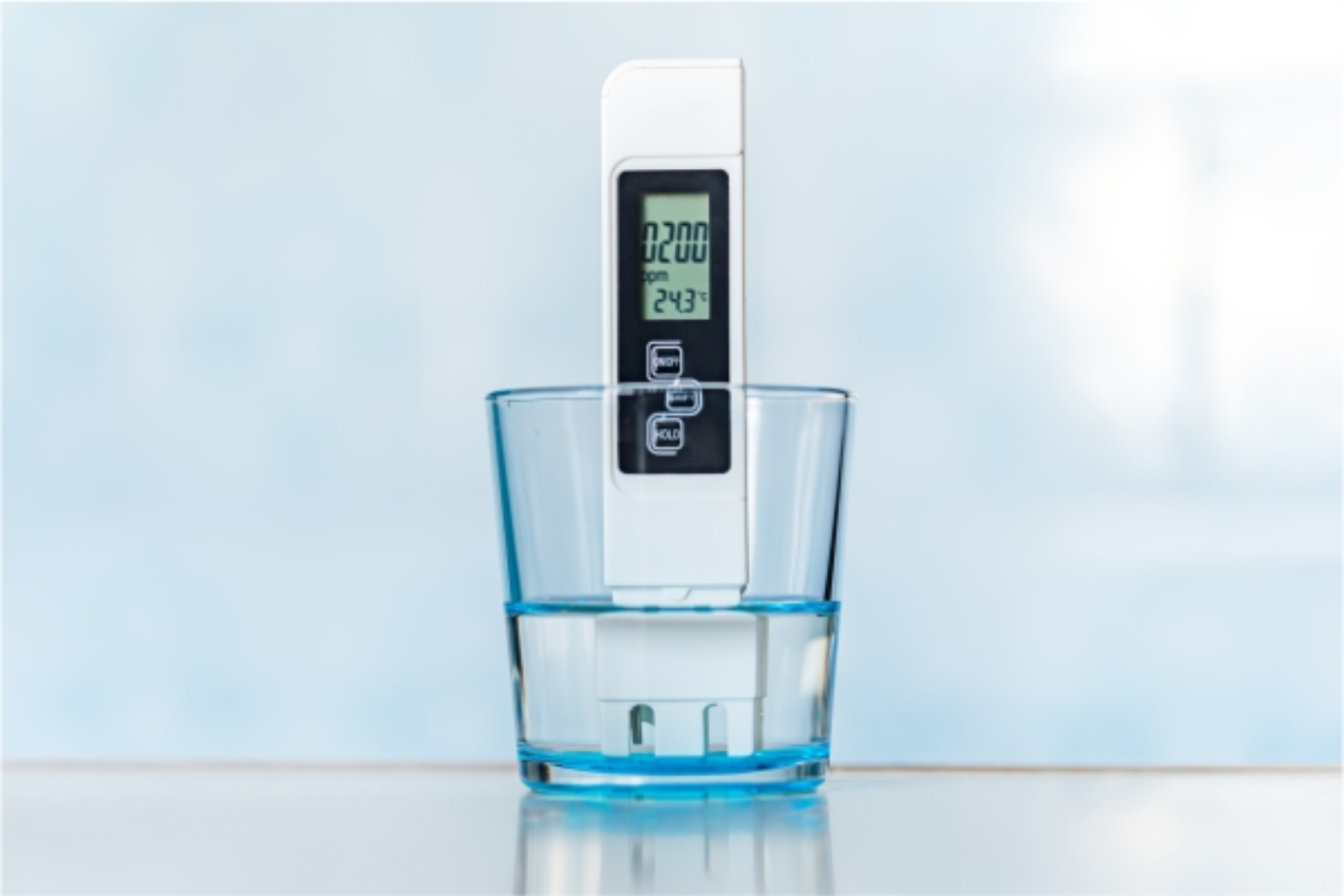
In plain English, what is a TDS? It’s a number that tells you how much “stuff” is dissolved in your water. It doesn’t tell you what exactly those solids are — just that they’re there. And while some are harmless (hello calcium and magnesium), others might raise an eyebrow (looking at you, lead and arsenic).
The Number That Tells a Story
Now here’s the kicker — high TDS doesn’t always mean bad water, and low TDS doesn’t always mean it’s perfect. That’s the nuance most water filter salespeople skip. Some mineral content is good, even healthy. But too much? It can mess with taste, corrode your plumbing, and make appliances age faster than they should.
For regular ol’ drinking water, experts say a range between 50 to 300 parts per million (ppm) is usually fine. Some bottled waters are super low (below 50), while well water can soar past 1000 ppm. But again, context matters.
Knowing the tds of drinking water in your home is less about obsessing over a number and more about noticing patterns. Has your tea been tasting bitter lately? Is your coffee machine clogging more than usual? Those signs often whisper what the numbers eventually confirm.
More Than Just a Taste Issue
Let’s get real for a second. Clean water is about more than taste. It’s about trust. You wash your veggies in it, cook with it, bathe your kids in it. So if you’re noticing soap doesn’t lather right or you’ve got cloudy glasses fresh from the dishwasher — that’s TDS waving hello.
There’s also a hidden cost. Appliances exposed to high TDS water — like dishwashers, water heaters, even your coffee machine — tend to wear out faster. And if your pipes are older, that high TDS could be pulling in trace metals from the plumbing itself. Yikes.
Testing water once in a while gives you a snapshot. It’s like checking tire pressure — not thrilling, but it saves you money and drama down the road.
Filters, Purifiers & The Kitchen Sink
Let’s say your TDS is high. What now? You’ve got options, and thankfully, they don’t all require a plumber or a second mortgage.
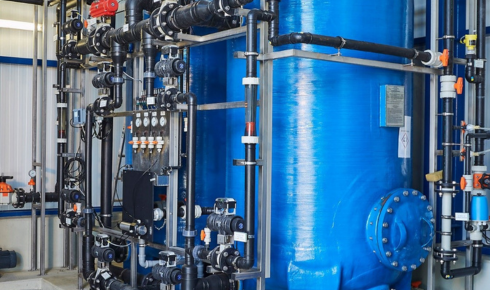
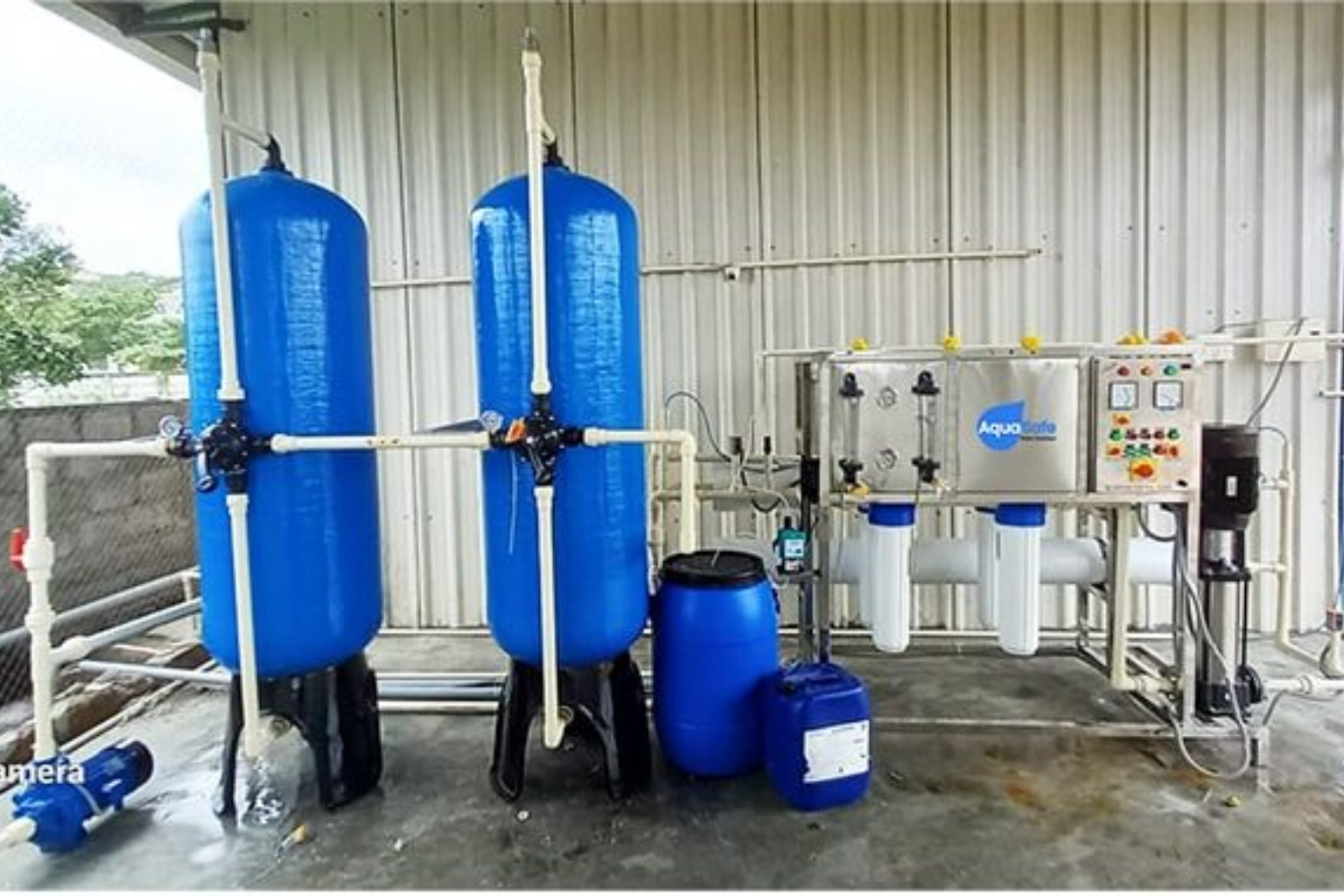
Reverse osmosis (RO) filters are a go-to for dropping TDS fast. They work like bouncers at the club, letting water molecules through while blocking the riff-raff. If you’ve ever had that crisp, pure-tasting water at someone’s house — it was probably from an RO filter.
That said, not everyone wants ultra-low TDS. Some people prefer water with a bit of “character” — minerals that give it taste and health benefits. In that case, a carbon filter or mineral-balancing unit might be more your speed.
It really depends on your setup and goals. Are you on well water? Municipal supply? Do you care more about taste or corrosion protection? There’s no one-size-fits-all.
Bottled vs. Tap vs. Filtered: A Tangled Triangle
Now here’s a debate that never dies: “Should I just drink bottled water instead?”
Short answer: maybe. Longer answer: it depends (again). Bottled water is often just filtered tap water, repackaged with a pretty label and a bigger price tag. And many brands have TDS levels in the same range as tap or filtered water.
The difference is consistency. Bottled water is tested and regulated. Tap water varies. Filtered water is only as good as your filter (and how often you change it — looking at you, procrastinators).
Understanding tds for drinking water helps you move beyond the marketing fluff. You can test that $2 bottle and your filtered jug side-by-side and decide what’s actually worth drinking. Empowering, isn’t it?
It’s Not Just Numbers — It’s Peace of Mind
You know that feeling when you take a sip of water and it just tastes right? Like it’s clean, crisp, and your body sighs with relief? That’s what we’re aiming for.
TDS isn’t the only thing that affects water quality, but it’s one of the most accessible metrics for everyday folks to monitor. And once you start, it becomes second nature. You notice trends. You tweak filters. You make smarter choices without thinking twice.
Plus, knowing your numbers gives you leverage when something changes — maybe a new well, or after a storm, or if your water suddenly starts acting… weird.
Final Sip: Don’t Obsess, But Don’t Ignore
Look, no one’s saying you need to walk around with a water meter in your pocket or freak out every time your glass looks a little cloudy. Life’s too short.
But understanding TDS — just the basics — puts you in the driver’s seat. You don’t have to rely on vague advice or fall for overpriced filters. You’ll know your water, your way.
Whether you’re living in the city, out in the sticks, or somewhere in between, your water deserves a second glance. Not paranoia. Just awareness.