Water is supposed to be clean, clear, and healthy. That’s the dream, right? But here’s the thing — most of us just assume our filters are doing everything. We twist on a cartridge, run a flush cycle, and go on sipping away like everything harmful magically disappears. But water treatment isn’t just one-and-done. If you’re not paying attention to the layers in your filtration system, you might be missing out on removing the very stuff you hoped to avoid. Let’s dig into what really matters — and how to make sure your system is working as hard as you are.
It All Starts with the Grit
Imagine you’re pouring water from a muddy stream into a glass. You’d want the big stuff gone first, right? That’s where sediment removal comes in. This is your first line of defense — the workhorse filter that tackles sand, rust, silt, and all the chunky bits you don’t want floating around in your morning coffee.
The problem? People often underestimate how fast these filters clog. If your water pressure’s been dipping or your filter housing looks cloudy way too soon, it’s likely your sediment filter’s overwhelmed. It needs replacing — regularly. Otherwise, it becomes more of a hindrance than a help, backing up contaminants rather than blocking them.
Let’s Talk About the Stuff You Can’t See
Clear water doesn’t always mean clean water. There’s a cocktail of invisible nasties floating around in our municipal supplies — and one of the most notorious is VOCs. What are they? Volatile Organic Compounds. Sounds fancy, but it’s stuff like gasoline byproducts, industrial solvents, and pesticides. Yup, the kind of things that don’t belong anywhere near your kitchen tap.
Here’s where VOC filtration becomes a game-changer. Standard carbon filters don’t always cut it. You need a system that’s specifically rated for VOC removal — think granular activated carbon (GAC) paired with advanced media blends that chemically bind and neutralize these threats. If you’re using a system that claims to “reduce bad taste and odor” but doesn’t mention VOCs? It’s probably not doing enough.
The Carbon Layer — More Than Just a Smell Fix
You’ve heard of carbon filters. Most people have. They’re often marketed as the magic bullet for taste, odor, and chlorine — and that part’s mostly true. But not all carbon filters are created equal, and what really matters is how they fit into the sequence of your filtration system.
That’s why a carbon prefilter can be such a powerhouse. Used before the main filtration stage, it helps extend the life of more expensive cartridges by absorbing chlorine, organics, and sediment that would otherwise gunk up the works. Think of it as the gatekeeper — if you’ve ever had a filter burnout too fast, skipping a carbon prefilter might be the silent culprit.
Why Sequence Matters (It’s Like a Team Sport)
You wouldn’t mop the floor before you sweep, right? Water filtration works the same way. The order in which you install your filters makes a huge difference. Sediment comes first. Then carbon (often more than one type). Then specialty filters for things like VOCs, heavy metals, or bacteria.
If you jumble the order — say, putting a carbon filter before sediment — you’re essentially sending a boulder through a sponge. It’ll clog instantly. Worse, it means all the fine filtration stages that follow are being bombarded with debris they’re not meant to handle. The result? Poor performance, faster replacement, and wasted money.
The Maintenance Myth: Set It and Forget It?
Let’s kill the myth right here: filters don’t last forever. In fact, depending on your water quality, some need changing more often than you think. Ever notice a funky taste creeping back? Or white spots on dishes even after filtering? Those are your warning signs.
And no, just because the water is still flowing doesn’t mean your filters are doing their job. Some contaminants — especially VOCs and chlorine byproducts — slip through once the carbon is saturated. Set yourself a reminder, mark your calendar, or tie a string to your faucet — just don’t assume a filter can run for years untouched.
When In Doubt, Test It Out
If you really want to know what’s in your water, get it tested. Not just a strip test from the hardware store (although that’s better than nothing), but a full-spectrum lab analysis. Some companies even offer mail-in kits with detailed results. It might cost a bit, but it gives you a roadmap — no more guessing whether you need VOC filtration or a sediment overhaul.
Plus, you might be surprised at what’s hiding in “safe” city water. Chloramines, nitrates, PFAS…the list is long, and growing.
Beyond Drinking — Think Whole-House
Filtration isn’t just for what you drink. What about the water you shower in, wash dishes with, or give your pets? If you’re dealing with well water, old pipes, or just want peace of mind, a whole-house setup might be worth considering.
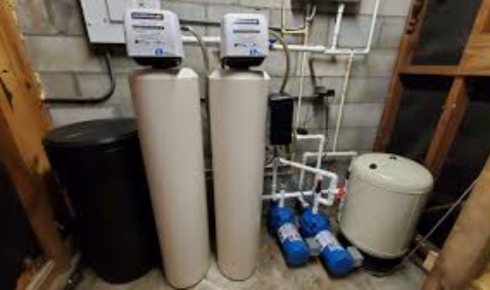
Yes, it’s more upfront cost — but the long-term benefit to your appliances, your skin, and your family’s health? Hard to argue with. You’ll need a system that tackles a bit of everything: sediment removal, carbon prefiltration, and, depending on your source, iron, sulfur, and even bacteria.
Final Thoughts: Smart Water Starts with Smart Choices
It’s easy to get overwhelmed. There are so many filter types, cartridges, media blends, and claims. But if you start with the basics — remove the big stuff, block the bad smells, zap the invisible toxins — you’re halfway there. The rest is about staying consistent.
Check your filters. Read your labels. And don’t fall for marketing fluff. A little attention to detail today could mean a whole lot of cleaner, safer water tomorrow. After all, water isn’t just water. It’s what fuels your day, your health, and your home.
So here’s to filtration that actually works — and to never second-guessing your glass again.