Most of us don’t think much about water until something changes.
Maybe it’s the faint smell when you fill a glass late at night. Maybe the water looks slightly cloudy for a few seconds before clearing. Or maybe your morning coffee tastes just a bit sharper than usual. None of these are emergencies. They’re subtle shifts. But they’re enough to make you pause.
And once you notice something different, it’s hard to ignore it.
The good news? Water issues are often manageable. But the first step isn’t buying a random filter from the hardware store. It’s understanding what’s actually happening.
Start With Your Senses
Your senses are surprisingly useful tools.
Taste, smell, and appearance can offer early clues about water quality. A sharp, pool-like flavor often points toward disinfectant residue. Cloudiness might indicate trapped air—or something more substantial. Metallic notes could hint at mineral content or aging pipes.
Before jumping to conclusions, take a moment to observe patterns. Does the issue appear at one faucet or throughout the house? Does it happen consistently or only at certain times of day?
Small observations can guide smarter decisions.
The Taste That Lingers
Municipal water systems use chlorine to disinfect supply lines and eliminate harmful bacteria. It’s effective. It’s necessary. But that doesn’t mean it tastes great.
If your tap water carries a noticeable chemical aftertaste, it may be worth conducting a chlorine taste evaluation. This doesn’t require complex lab work at first. Sometimes it’s as simple as comparing tap water with filtered water side by side.
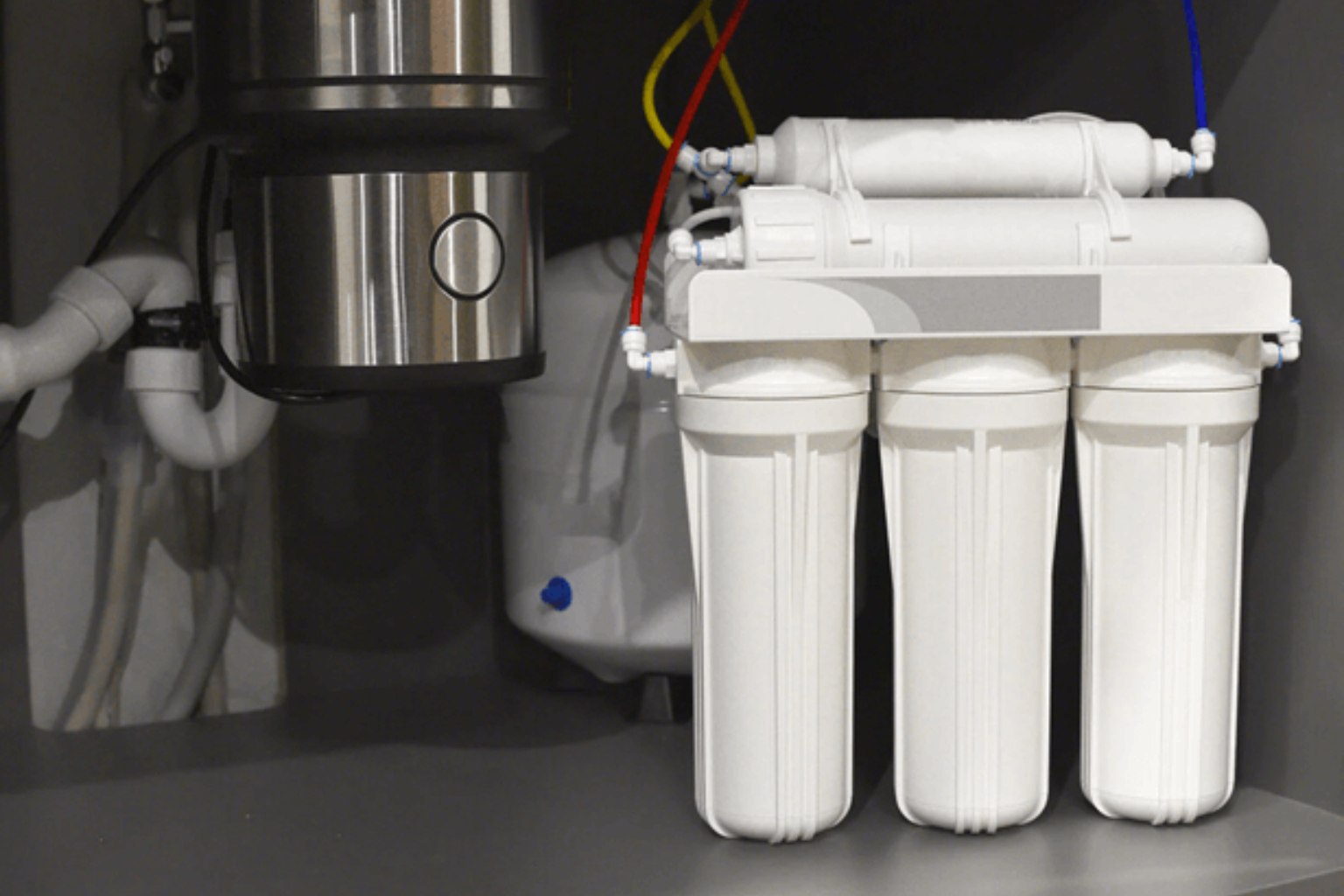
Activated carbon filters are particularly effective at reducing chlorine taste and odor. But before installing one, it’s helpful to confirm that chlorine is indeed the culprit. Water treatment isn’t one-size-fits-all.
And interestingly, chlorine levels can fluctuate seasonally. During heavy rainfall or infrastructure maintenance, treatment plants may adjust disinfectant concentrations.
In other words, what you’re tasting today might not be permanent.
When Water Looks Cloudy
Cloudy water can be alarming at first glance. But often, it’s harmless.
If you fill a glass and notice a milky appearance that clears from the bottom up within a minute, it’s likely just air bubbles. Cold water holds more dissolved air, and as it warms, the air escapes.
However, persistent cloudiness may warrant a cloudy water inspection. Sediment, mineral particles, or even corrosion from old plumbing can contribute to turbidity.
Start by checking whether the cloudiness occurs in both hot and cold water. If it’s only in hot water, your water heater may need attention. If it’s widespread, sediment filtration might be necessary.
It’s a good reminder that appearance alone doesn’t always signal danger—but it does deserve investigation.
Going Deeper With Professional Testing
Sometimes, surface-level observations aren’t enough.
If you rely on well water, regular testing is essential. Groundwater can carry naturally occurring minerals, iron, sulfur compounds, or even bacterial contamination. Municipal users aren’t exempt either—aging pipes and local infrastructure can influence water quality between treatment plant and faucet.
Comprehensive lab testing provides contaminant profiling, identifying substances beyond what your senses can detect. Heavy metals, nitrates, pH imbalances, and total dissolved solids can all influence long-term health and plumbing performance.
It sounds technical, but it’s simply about gathering facts.
And facts replace anxiety with clarity.
Don’t Treat Symptoms Alone
One of the most common mistakes homeowners make is treating symptoms without confirming the cause.
For example, installing a softener won’t remove chlorine taste. A carbon filter won’t solve extremely hard water issues. UV systems target bacteria but don’t address mineral content.
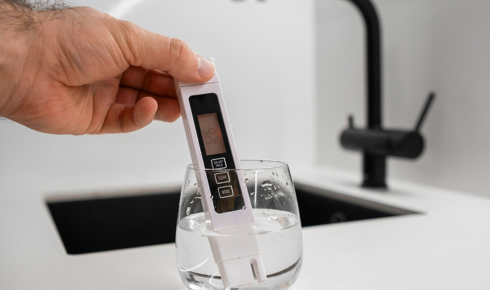
That’s why testing first makes sense. Even basic home kits can provide useful data about hardness and chlorine levels. Professional analysis offers deeper insights.
When you know what you’re dealing with, solutions feel precise instead of experimental.
The Role of Infrastructure
It’s also worth considering your home’s plumbing system.
Older pipes may contribute to metallic taste or discoloration. Water heaters can accumulate sediment that affects clarity. Faucet aerators can trap debris, giving the illusion of larger problems.
Sometimes the fix is simpler than you think.
Flush your water heater. Clean aerators. Run cold water for a few minutes after long periods of inactivity. These small steps can eliminate temporary concerns.
A Balanced Perspective
It’s easy to spiral into worst-case scenarios when water tastes or looks different. But most issues have straightforward explanations.
Municipal water systems are regulated and regularly tested. Well owners who follow annual testing recommendations typically stay ahead of potential problems.
Water quality shifts happen for many reasons—seasonal changes, infrastructure updates, weather patterns. The key is responding thoughtfully rather than reactively.
Final Thoughts
Water is deeply personal. It’s part of your morning routine, your cooking, your daily comfort. When something changes, it’s natural to pay attention.
But attention doesn’t mean alarm.
Start with observation. Confirm with testing. Choose solutions based on evidence rather than assumptions.
Because at the end of the day, better water isn’t about chasing perfection. It’s about understanding what’s flowing into your home and making informed decisions that bring confidence back to something you rely on every single day.