Small Plumbing Problems That Can Turn Into Expensive Repairs
A plumbing problem doesn’t always begin with water pouring through the ceiling or a pipe bursting in the middle of the night. Sometimes, it’s a faint dripping sound behind a bathroom wall, a kitchen sink that takes a little longer to empty, or a toilet that keeps running after you’ve flushed it. These issues seem […]
A plumbing problem doesn’t always begin with water pouring through the ceiling or a pipe bursting in the middle of the night. Sometimes, it’s a faint dripping sound behind a bathroom wall, a kitchen sink that takes a little longer to empty, or a toilet that keeps running after you’ve flushed it. These issues seem minor at first, so it’s tempting to put them off until the weekend—or longer.
Unfortunately, small plumbing faults don’t always stay small. A slow leak can damage cabinets and flooring, while a persistent blockage may eventually make a sink or toilet unusable. The good news is that many common problems can be managed more easily when they’re recognized early.
Knowing what to look for, what you can safely handle yourself, and when to call a professional can save time, money, and a fair amount of frustration.
Understanding Why Drains and Toilets Become Blocked
Few household problems are as inconvenient as a drain that refuses to clear when you need it most. The kitchen sink fills while you’re washing dishes, or the bathroom toilet struggles to flush just when everyone is getting ready for the day. It’s not exactly anyone’s idea of a good morning.
Clogged drains and toilets often develop because materials gradually accumulate inside the plumbing. In kitchen drains, grease, food scraps, and soap residue can stick to pipe walls. Bathroom drains commonly collect hair, soap deposits, and other debris. Toilets can become blocked when too much toilet paper is flushed at once or when unsuitable items enter the system.
The best response depends on the location and severity of the blockage. A simple sink obstruction may respond to removing and cleaning the drain stopper. A plunger can sometimes clear a minor toilet blockage when used correctly.
However, repeatedly pouring chemical drain cleaners into a stubborn drain isn’t a great long-term strategy. Some products can damage certain plumbing materials, create hazardous splashes, or pose risks if mixed with other cleaning chemicals. Always follow product instructions and never mix drain cleaners.
News contextWhen Clean Water Actually Tastes Good: A Closer Look at Modern Filtration at Home
If several drains are slow at the same time, sewage odors appear, or wastewater backs up into a fixture, the issue may be deeper in the drainage system. Professional inspection is the safer next step.
The Hidden Trouble Caused by Leaking Pipes
A leak doesn’t need to produce a puddle to cause damage. Water can escape slowly inside a wall, beneath a floor, or under a kitchen cabinet for weeks before anyone notices. By then, the surrounding materials may already be affected.
Leaky pipes can result from corrosion, worn connections, excessive water pressure, shifting pipework, or physical damage. In colder climates, freezing and expanding water can also split pipes, although the risk depends on local conditions and how well plumbing is protected.
There are several warning signs worth watching for. Damp patches that keep returning, peeling paint, unexplained musty smells, and a sudden increase in water use may all point to a hidden leak. Of course, these signs can have other causes, so an inspection may be needed to confirm what’s happening.
If you find a leak, start by limiting the damage. When it’s safe and practical, shut off the relevant water supply or the property’s main valve. Move belongings away from the affected area and avoid touching electrical equipment near standing water.
A visible leak at an accessible connection may be relatively straightforward to repair, but hidden pipework requires more care. Covering a damp patch with paint or sealant won’t fix the underlying problem. The water source needs to be identified and repaired properly.
News contextThe Plumbing Work That Keeps Everyday Life Moving
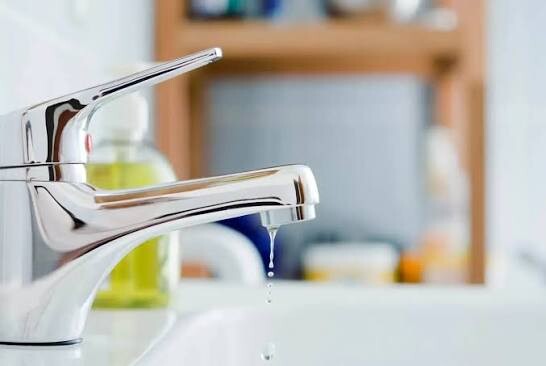
Why a Dripping Faucet Deserves Attention
That steady tap, tap, tap from a bathroom or kitchen faucet can become surprisingly irritating. You might get used to the sound, especially at night, but the wasted water can add up over time.
Dripping faucets commonly result from worn washers, damaged seals, faulty cartridges, or mineral deposits that prevent components from closing properly. The exact cause depends on the faucet design, so a repair method that works for one model may not suit another.
Before attempting a repair, turn off the water supply to the fixture and make sure the tap is no longer pressurized. If you’re comfortable with basic DIY work, checking the manufacturer’s instructions can help you identify the appropriate replacement component.
Still, don’t force a handle or fitting that refuses to loosen. Excessive force can damage the fixture or the pipe connection, turning a small repair into a bigger job. Older faucets may also have corroded internal parts that are difficult to remove safely.
Sometimes replacing a worn component is enough. In other cases, particularly with badly corroded or outdated fixtures, replacing the entire faucet may be more practical. A plumber can help you weigh the cost of repair against the expected life of the existing fixture.
Simple Habits That Help Prevent Plumbing Problems
Preventive care doesn’t require a toolbox full of specialist equipment. A few everyday habits can reduce the chances of dealing with common plumbing failures.
In the kitchen, scrape food scraps into the bin before washing dishes, and avoid pouring cooking grease down the drain. Grease may flow while it’s hot, but it can cool and cling to pipe surfaces farther along the system.
News contextUnderstanding Water Quality: How to Deal With Stains, Unpleasant Taste, and Mineral Buildup
In bathrooms, use suitable drain screens to catch hair and remove accumulated debris regularly. Flush only toilet paper and human waste unless the plumbing system and local guidance specifically allow something else. Items labelled “flushable” may still cause problems in some sewer systems.
It’s also worth checking the areas under sinks every so often. Look for moisture around supply lines, drain connections, and shutoff valves. Keep an eye on your water bill, too. A sudden unexplained change can sometimes reveal a leak before it becomes obvious.
Avoid overtightening faucet handles or forcing stuck plumbing components. Small parts can wear out faster when they’re used roughly, and fittings may be damaged by excessive pressure.
When Should You Call a Plumber?
There’s no need to call a professional for every loose handle or slow drain. But knowing when to stop troubleshooting can prevent unnecessary damage.
Seek professional help if a blockage keeps returning, multiple fixtures drain slowly, a pipe leaks inside a wall, or water pressure changes suddenly without an obvious explanation. A persistent sewage smell or wastewater backing up into the home also deserves prompt attention.
If a pipe bursts or water begins spreading quickly, shut off the main supply if you can do so safely and arrange urgent assistance. If water threatens electrical systems, keep clear and contact the appropriate emergency professionals.
News contextA Practical Look at Better Water Quality in New Port Richey Homes
When choosing a plumber, ask for a clear explanation of the problem, the proposed repair, and any likely additional costs. For larger jobs, it makes sense to understand the warranty and whether further maintenance will be needed.
A good professional won’t just stop the immediate leak or clear the blockage. They’ll also explain what may have caused it and how to reduce the chance of it happening again.
A Little Attention Can Save a Lot of Trouble
Plumbing is easy to overlook when everything works, but even a small fault can interfere with daily life. A slow drain, a damp cabinet, or a faucet that won’t stop dripping may be your first warning that something needs attention.
The sensible approach is to notice changes early, avoid quick fixes that could make matters worse, and get professional advice when the cause isn’t clear. Regular checks and a few careful habits can help protect your fixtures, reduce water waste, and keep your home running smoothly.
You don’t have to become a plumbing expert. Just paying attention to the little things can make a meaningful difference—and help you avoid the kind of repair bill nobody wants to receive.