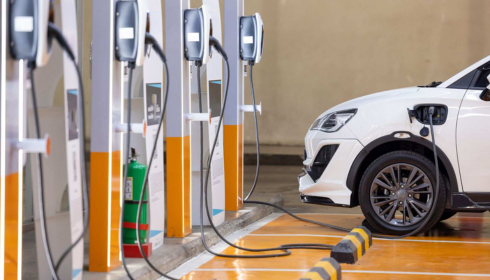
There’s something quietly powerful about watching an electric vehicle (EV) hum to life — no rumbling engine, no puff of exhaust, just a sleek promise of progress. We’re not just talking about shiny cars and futuristic tech here. We’re talking about the infrastructure that fuels a movement. And at the heart of that? Charging stations, silent heroes in parking lots and behind warehouse walls.
Let’s take a stroll through the evolving world of EV charging, not as technicians or engineers, but as curious, thoughtful folks wondering: how do we really make this whole electric transition stick?
A New Kind of Fueling Experience
Gone are the days when “filling up” meant pulling into a gas station, inhaling fumes, and rushing back into the driver’s seat with fingers reeking of petrol. With EVs, charging can happen at work, at home, or while you’re sipping espresso at your favorite café. It’s more relaxed, more intentional.
But here’s the kicker: convenience only happens when infrastructure keeps up. If chargers are rare, unreliable, or slow, then the whole system gets wobbly. That’s why investment in charging stations isn’t just about tech—it’s about trust. People need to know they can charge where and when they need to. Otherwise, the future stays parked.
The Commercial Side of Going Electric
While consumer EV adoption gets a lot of airtime, there’s a quieter, arguably more powerful revolution happening on the roads: fleets. Delivery vans, long-haul trucks, service vehicles — the entire commercial landscape is shifting to electric.
Why? Simple. It saves money. Maintenance costs are lower. Fueling is cheaper. And more and more, contracts and cities are demanding eco-conscious partners. That’s where commercial electric vehicles come in. And their needs are very different from your average commuter sedan.
These aren’t cars that charge overnight in someone’s garage. They need powerful, fast, sometimes simultaneous charging solutions — at scale. For commercial operators, time is money, and a vehicle sitting idle is a cost. So charging systems have to be smart, centralized, and often custom-fit to a business’s operations.
Scaling Up: It’s Not Just About More Chargers
It’s tempting to think the solution is just to throw more chargers on the map. But that’s like solving traffic by just painting more roads. It misses the nuance.
We need layered charging solutions—some fast, some slow, some public, some private. We need interoperability (your EV should work on any charger, no handshake issues). We need power management (so charging your fleet doesn’t knock out your building’s electricity). We need data to optimize load times, track usage, and forecast demand.
And we need community buy-in. A charger in the wrong place isn’t helping anyone. Neighborhoods, municipalities, and businesses all have to be part of the puzzle.
Small Businesses, Big Impact
Let’s talk local. Small and mid-size businesses can actually be game-changers here. Think about the pizza shop that installs a charger and attracts eco-conscious customers. Or the gym that offers charging during workouts. Every charger added to the network helps ease range anxiety, normalize the tech, and encourage adoption.
Plus, it’s a smart brand move. Being seen as forward-thinking, green, and convenient isn’t a bad look. Add a charger. Promote it. Watch the foot traffic and goodwill roll in.
The Grid Side of the Story
Here’s where it gets geeky but important. All these chargers? They need juice. And that means our electrical grids are under a new kind of pressure.
Utility providers are starting to work closely with developers and businesses to manage the impact. Off-peak charging incentives, demand response programs, and even solar-powered stations are entering the mix. The goal isn’t just to charge more vehicles—it’s to do it intelligently, sustainably, and without blacking out half the block.
EV adoption can be a beautiful thing for the grid if we play it right. Cars can store energy. Smart chargers can pause during high-demand hours. It’s like turning your parking lot into a flexible, responsive energy asset.
Education and Accessibility Matter
For all the excitement, we have to be honest: this stuff can feel intimidating. Watts, volts, kilowatt-hours—it’s not everyday lingo. And when people don’t understand, they hesitate.
That’s why making EV education simple, visual, and community-driven is key. Host a demo. Put up signs that explain. Train employees to talk about charging confidently. Normalize the experience. People fear what they don’t get—but they embrace what feels familiar.
And let’s not forget equity. We can’t build a future that only works for the wealthy or tech-savvy. Urban areas, rural communities, rental properties—all deserve access to clean mobility and fair charging infrastructure.
Looking Ahead with Purpose
This isn’t just a tech trend. It’s a societal shift. In ten years, our roads, our cities, even our shopping habits will look different. And we’ll look back at this moment—the in-between era—and wonder why we ever hesitated.
The path to mass EV adoption isn’t paved in batteries and apps. It’s built on thoughtful planning, shared responsibility, and a willingness to adapt.