
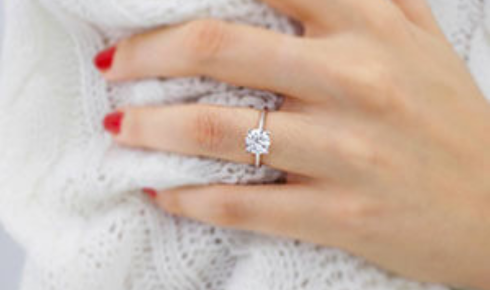
Lab-grown diamonds have emerged as a revolutionary choice for consumers who want the elegance and brilliance of natural diamonds while embracing sustainability. For those exploring ethical jewelry options, designers like Lily Arkwright are increasingly incorporating lab-grown diamonds into their collections, offering customers exquisite pieces without the environmental and ethical concerns traditionally associated with mined stones. These diamonds provide an opportunity to enjoy the luxury of fine jewelry without compromising on quality or craftsmanship.
The appeal of lab-grown diamonds extends beyond their ethical benefits. Chemically and physically, they are identical to natural diamonds, meaning they exhibit the same hardness, refractive index, and sparkle that make diamonds so coveted. Advanced technology in diamond creation allows for precise control over the growth process, producing stones that are virtually flawless and can be tailored to specific specifications. This level of control ensures that lab-grown diamonds can rival, and in some cases surpass, their mined counterparts in clarity and color.
Sustainability is one of the most compelling reasons for the rise in popularity of lab-grown diamonds. Traditional diamond mining has long been associated with environmental degradation, including deforestation, soil erosion, and high energy consumption. Additionally, mining practices can have severe social implications, particularly in regions where regulation is lax. In contrast, lab-grown diamonds require significantly less water and energy to produce, and they eliminate the risk of conflict diamond concerns. By choosing lab-grown diamonds, consumers can enjoy the luxury of a sparkling gem while supporting environmentally responsible practices.
Cost is another factor that makes lab-grown diamonds attractive. Typically priced lower than mined diamonds of similar size and quality, they provide greater value without compromising aesthetics. This affordability allows buyers to select larger or higher-quality stones within their budget. Many customers appreciate that they can invest in a diamond with confidence, knowing that the price reflects ethical production and sustainable sourcing rather than inflated costs due to mining and transportation.
In addition to their environmental and financial advantages, lab-grown diamonds are also celebrated for innovation in design. Jewelers can experiment with rare cuts and sizes that are challenging or impossible to achieve with natural diamonds. This flexibility opens up new creative possibilities for designers and offers customers truly unique pieces. As a result, lab-grown diamonds are gaining traction not only for ethical considerations but also for their contribution to the artistry and versatility of modern jewelry design.
Consumer perception has evolved considerably in recent years. Initially, lab-grown diamonds faced skepticism, with some questioning their value and authenticity. Today, however, they are recognized as real diamonds with the same brilliance and durability as mined stones. High-profile designers and retailers are actively embracing these gems, showcasing that ethical luxury is not a compromise but rather a forward-thinking choice. For individuals who value transparency, sustainability, and superior craftsmanship, lab-grown diamonds represent an ideal balance.
As the demand for eco-conscious luxury grows, lab-grown diamonds are poised to become a mainstream option for discerning buyers. They exemplify how innovation and sustainability can intersect without sacrificing quality, offering a responsible alternative to traditional diamonds. By supporting lab-grown diamonds, consumers are not only making a fashion statement but also contributing to a more ethical and environmentally friendly industry. Designers like Lily Arkwright exemplify this shift, creating timeless jewelry that aligns with modern values and reflects a commitment to both beauty and sustainability.
In conclusion, lab-grown diamonds present an extraordinary opportunity for those seeking high-quality gems while prioritizing ethical and sustainable practices. Their combination of beauty, durability, and environmental responsibility ensures that they are more than just an alternative—they are a forward-looking choice that satisfies both aesthetic desires and conscientious values. As awareness and technology continue to advance, lab-grown diamonds are likely to redefine the future of fine jewelry, proving that luxury and sustainability can coexist seamlessly.