You pour a glass of water, hold it to the light, and it looks… fine. Crystal clear, no odd color, maybe even cold and refreshing. But here’s the thing — clean-looking water doesn’t always mean clean water. It took me one random late-night rabbit hole on home filtration to realize how much can be floating in what we drink, cook with, and bathe in daily.
It’s easy to overlook what we can’t see. But water quality — especially if you’re using a private well or live in an older neighborhood — isn’t something to shrug off. Minerals, metals, pesticides, industrial runoff, old pipes, biological contaminants… it’s a long list. And the worst part? Many of them are invisible.
Starting Simple: Why Testing is the First Step
If you don’t know what’s in your water, you can’t do much to fix it. That’s where testing comes in — not just a quick chlorine dip strip, but something more comprehensive. A total dissolved solids test (TDS for short) is one of the easiest ways to get a sense of overall water quality. It doesn’t tell you everything, but it gives you a starting point.
TDS measures the combined content of all organic and inorganic substances in your water — minerals, salts, metals, and more. High TDS levels don’t automatically mean your water is dangerous, but they often signal issues worth investigating, like hard water, metallic taste, or scaling on appliances. A basic handheld TDS meter costs less than dinner for two, and the peace of mind it brings? Worth it.
Water Isn’t Just a Health Issue — It’s a Lifestyle One
When people think about clean water, their minds go straight to health — and rightly so. Contaminants like lead, arsenic, or bacteria can do serious damage over time. But it’s also about your home, your comfort, and your sanity.
Ever fought to get your glassware looking clean? Or battled white residue around your faucets? That’s water doing damage in ways we rarely connect. Water is involved in everything — laundry, showers, dishwashing, coffee — so poor water quality affects more than your kidneys.
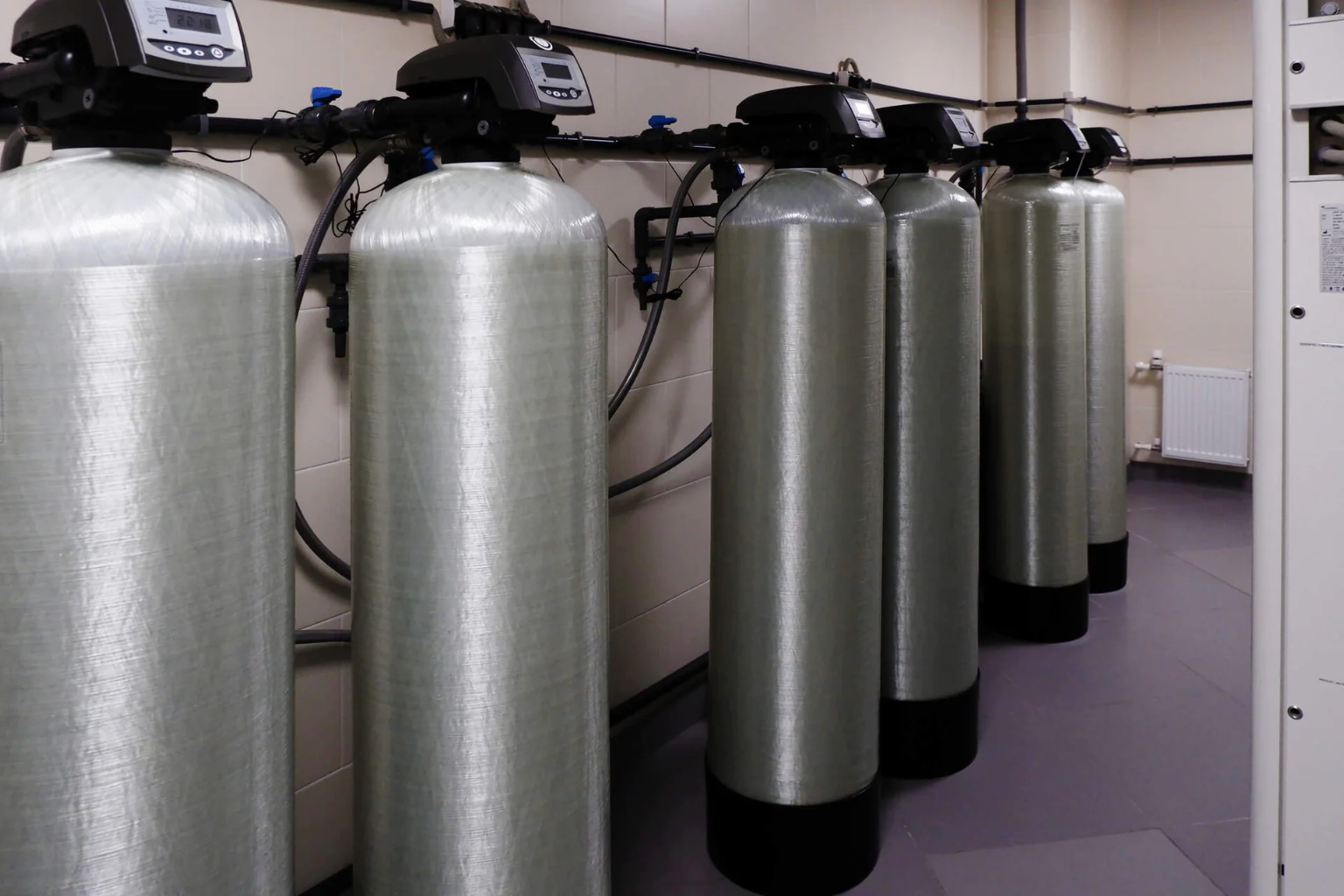
That’s where water treatment solutions come in. From simple countertop filters to full-house reverse osmosis systems, there’s a wide range of options tailored to specific needs. You don’t need to drop thousands on something fancy — but you do need to match your treatment to your problem. And that starts with, you guessed it, testing.
When Your Water Starts Smelling Funky
Let’s get into something many people are embarrassed to talk about: bad-smelling water. That rotten egg stench isn’t your imagination — it’s often caused by hydrogen sulfide gas or certain types of bacteria. And while it’s not always dangerous, it’s definitely unpleasant. The same goes for water that smells musty, metallic, or like chlorine.
In many cases, odor can indicate deeper problems — and in some, it’s a red flag for contamination.
Contaminants: The Stuff You Don’t See (But Should Know About)
Most common contaminants are tasteless, colorless, and odorless. That’s what makes them dangerous. One of the more sobering terms you’ll come across if you dig into the subject is water contamination. It covers a broad range of threats, from microbial pathogens (like E. coli) to heavy metals (like mercury and lead) and even synthetic chemicals from pesticides or industrial waste.
Public water systems are regulated, sure — but accidents happen. Pipes age. Runoff increases. And if you’re on a private well, you’re on your own when it comes to monitoring and maintenance.
Regular testing for coliform bacteria, nitrates, pH balance, and heavy metals is essential — not just once when you move in, but at least annually. Especially after floods, heavy rainfall, or construction near your home.
Filtration Isn’t Just for Health Nuts
People often think water filters are a wellness trend. And while it’s true that the market has exploded with high-end pitchers and branded mineral drops, the real power of filtration is practical. It saves your plumbing. It reduces appliance wear. It makes your clothes last longer and your hair feel better. That’s not lifestyle fluff — that’s day-to-day comfort.
Once you know your water’s specific issues (high TDS, bacteria, heavy metals, etc.), finding the right treatment becomes straightforward. And companies these days offer modular, affordable solutions — many of which don’t require a degree in chemistry to install.
A Personal Wake-Up Call
Not too long ago, a friend of mine moved into an older farmhouse on the edge of town. The water looked clear and tasted okay — until her toddler started having digestive issues. Out of sheer instinct, she had their water tested. Arsenic levels? Off the charts. It was a stark reminder: you can’t always see the problem, but that doesn’t mean it isn’t there.
A simple test, a small under-sink system, and a follow-up filter changed everything. The difference wasn’t just peace of mind — it was their kid’s health, their routines, their whole experience of home.
Wrapping It Up: Awareness Is Everything
Water isn’t something you can ignore just because it looks clean. And while the thought of testing or treatment might seem overwhelming, it doesn’t have to be. Start small. Get a TDS meter. Schedule a professional water test. Research options tailored to your findings. There’s no need to panic — just pay attention.
Because once you have control over your water, you get more than safety. You get confidence, clarity, and comfort — in every sip, every wash, and every breath of steam from the shower.