There’s something oddly intimate about water systems. We don’t usually think of them that way. They sit in basements, behind walls, or quietly humming in mechanical rooms — out of sight, out of mind. Until something goes wrong. A strange odor. Pressure that drops mid-shower. A filter that clogs too quickly and leaves you wondering what you missed.
I’ve seen it happen more times than I can count. Someone installs a system that looked great on paper, only to realize a few months later that it doesn’t quite fit their home or operation. The issue isn’t always quality. Often, it’s sizing. Or more accurately, mis-sizing.
And that’s where the real conversation begins.
It Starts Beneath the Surface
When people shop for filtration systems, they usually focus on brand names, technology, or price tags. Fair enough. But the quieter detail — the one that rarely gets enough attention — is bed depth selection.
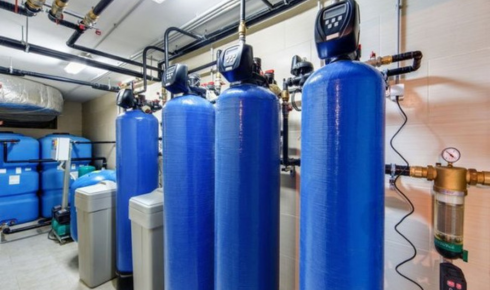
That phrase might sound technical, but it’s actually simple at heart. The “bed” refers to the filter media inside the tank — the sand, carbon, resin, or specialty material that does the heavy lifting. Its depth determines how long water stays in contact with that media. And that contact time? It’s everything.
Too shallow, and contaminants rush through without being properly captured. Too deep, and you may create unnecessary pressure drop or overspend on media you don’t actually need. There’s a balance here, and it’s not universal. A small café won’t need the same setup as a manufacturing plant. A four-person household won’t match a 20-room guesthouse.
I once visited a small rural property where the owner complained about iron staining that wouldn’t go away, despite installing what he thought was a “premium” system. Turns out, the media depth was designed for lighter contamination levels. The system wasn’t bad — it was just mismatched. Once adjusted, the difference was night and day.
Flow Isn’t Just a Number on a Spec Sheet
Let’s talk about movement. Water doesn’t sit politely inside pipes; it travels. And how fast it travels makes a world of difference.
Every filtration setup must align with your flow requirement. That’s the rate at which water needs to move through the system during peak use. Think about mornings in a busy household: someone’s showering, the washing machine’s running, maybe the kitchen tap’s on too. Multiply that by a small commercial setting, and the stakes climb quickly.
If a system can’t keep up with demand, you’ll notice. Pressure drops. Treatment efficiency falls. Media can channel — meaning water finds the easiest path instead of spreading evenly through the filter bed.
It’s like pouring coffee through a filter. If you dump too much water at once, it doesn’t extract properly. Same idea, bigger scale.
I’ve seen businesses try to cut corners here. They assume average usage instead of peak demand. But systems aren’t tested during quiet afternoons — they’re tested at the busiest moment of the day. Designing for that moment changes everything.
Bigger Isn’t Always Better
There’s this persistent belief that oversizing solves problems. Buy the biggest tank. Add extra capacity. “Future-proof” everything.
But filtration doesn’t quite work that way.
An oversized unit may lead to slower water velocity than intended. That can impact backwashing efficiency or cause media to underperform. On the flip side, undersizing forces the system to work harder, shortening lifespan and increasing maintenance frequency.
The sweet spot lies in choosing a right-sized system — one that matches actual usage patterns, water chemistry, and infrastructure limitations.
I remember advising a mid-sized apartment complex that wanted to double its system capacity “just in case.” After reviewing their water data and occupancy trends, we scaled back. Not because growth wasn’t possible, but because systems can be modular. Expanding later is smarter than operating inefficiently from day one.
There’s a difference between planning ahead and overcompensating.
The Chemistry of It All
Water isn’t the same everywhere. Even within the same city, mineral content can vary. Hardness levels, iron concentration, organic matter, pH — they all influence how a system should be configured.
That’s why cookie-cutter recommendations rarely hold up.
For instance, higher iron levels may require deeper media beds or staged filtration. Elevated turbidity might demand pre-filtration before water even reaches the main tank. And if flow rates fluctuate dramatically, a single-tank solution might struggle to maintain consistency.
Good design feels almost tailored. Because it is.
I’ve always believed that water treatment should start with testing, not assumptions. A proper analysis tells you more than any marketing brochure ever could.
Maintenance Isn’t an Afterthought
Even the best-designed system won’t last forever without care. But here’s something interesting: when sizing and configuration are correct from the beginning, maintenance becomes easier.
Backwash cycles run efficiently. Media lasts longer. Components experience less stress. It’s not glamorous, but it matters.
I’ve met homeowners who thought frequent media replacement was normal. It wasn’t. Their systems were simply undersized for their usage, forcing the media to bear more load than it should. Once resized, replacement intervals doubled. Costs dropped. Frustration disappeared.
That’s the quiet payoff of thoughtful planning.
Thinking Long-Term Instead of Just Today
The temptation when installing a filtration system is to focus on immediate concerns: fix the smell, improve taste, reduce scaling. Those are valid goals. But systems that truly succeed are designed with tomorrow in mind.
Will occupancy increase? Will equipment usage expand? Are seasonal changes likely to affect demand?
These questions guide sizing decisions in subtle but powerful ways.
There’s also energy efficiency to consider. Pumps, valves, and control heads all consume power. A properly calibrated setup avoids unnecessary strain, reducing operational costs over time. It may not be dramatic, but across years, it adds up.
And in commercial environments, compliance and reliability aren’t optional. They’re expected. Downtime costs money. Inconsistent water quality damages reputation.
The Human Side of System Design
What fascinates me most about filtration isn’t the technology — though it’s impressive — but the human stories behind it.
A restaurant owner worried about customer reviews mentioning metallic-tasting water. A family tired of scrubbing rust stains from sinks. A small manufacturing plant trying to protect delicate equipment from scaling.
Each scenario demands a slightly different approach. There isn’t a universal blueprint.
When professionals take time to understand usage patterns, infrastructure constraints, and local water characteristics, the result feels seamless. Water flows as it should. Systems hum quietly in the background. Life continues without interruption.
That’s the goal, really. Not flashy technology. Just dependable performance.
Getting It Right From the Start
If there’s one takeaway here, it’s this: filtration design isn’t about buying the most advanced model on the shelf. It’s about alignment. Depth, flow, capacity — they all work together.
Neglect one piece, and the puzzle doesn’t quite fit.
When evaluating options, ask about media depth. Discuss peak flow scenarios, not just averages. Review water analysis reports carefully. And resist the urge to oversize without reason.
Thoughtful configuration may take a little more time upfront. It might involve a few extra questions, maybe even a site visit. But it pays off in durability, efficiency, and peace of mind.
And honestly, peace of mind is what most people are really after when they invest in a filtration system.
Water should feel invisible — not something you constantly worry about. When design decisions are intentional and balanced, that’s exactly what happens.