There’s something oddly satisfying about pouring a glass of water and not thinking twice about it. No sniff test. No side-eye at the tap. Just a clear, steady stream that feels right.
For a lot of us, that confidence didn’t come naturally. Maybe it started with a faint chlorine smell. Or cloudy ice cubes. Or that metallic aftertaste you couldn’t quite place. Whatever the trigger, it usually ends in the same place: researching water filtration at 11 p.m. and wondering which system is actually worth it.
Let’s slow that down a bit.
Why Taste Is Often the First Clue
Most municipal water in developed areas is considered safe. It’s treated, tested, regulated. But “safe” doesn’t always mean pleasant. Disinfection chemicals like chlorine do their job well, yet they can leave behind a noticeable odor or flavor.
That’s where filtration steps in—not out of panic, but preference.
One of the biggest reasons homeowners invest in better systems is improved taste. And it’s not just about comfort. When water tastes cleaner, you naturally drink more of it. You refill your bottle. You skip the sugary alternatives. Hydration becomes effortless.
It’s funny how something so simple can ripple through daily habits.
The Role of Carbon in Filtration
If you’ve ever read about water filters, you’ve probably come across activated carbon. It’s everywhere—from refrigerator filters to pitcher systems.
There’s a reason for that.
Carbon filtration is highly effective at reducing chlorine, certain volatile organic compounds (VOCs), and unpleasant odors. The porous surface of activated carbon traps contaminants as water passes through, leaving behind a fresher, more neutral profile.
It’s not magic. It’s chemistry. And it works surprisingly well for most municipal water issues.
Of course, carbon isn’t designed to remove everything. Heavy metals, dissolved solids, or specific industrial contaminants may require additional stages. But as a foundational layer in a multi-stage system, carbon does a lot of the heavy lifting when it comes to flavor.
Layered Filtration: Not Just a Buzzword
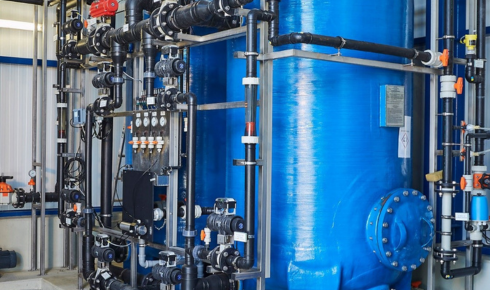
Modern drinking water systems rarely rely on a single filter stage. Instead, they stack different technologies together.
Sediment filters handle larger particles like rust or sand. Carbon stages tackle chemical tastes and smells. Reverse osmosis membranes address dissolved solids. Some systems even include post-filters to polish the final result.
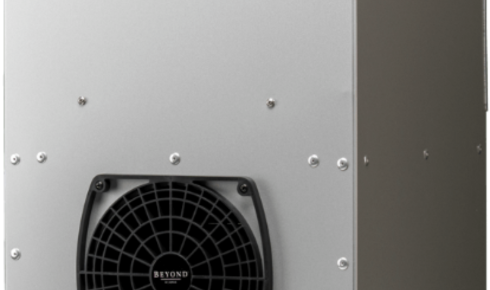
And then there are proprietary systems designed to streamline this layering into a compact, efficient unit. The macguard filter system, for instance, is built as a high-capacity prefilter that protects the more sensitive internal components downstream.
Why does that matter?
Because membranes and specialty filters last longer when they’re shielded from sediment and larger contaminants first. Think of it like protecting the engine of your car with clean oil. The better the prefiltration, the smoother everything runs.
It’s Not Just About Drinking
Filtered water doesn’t stop at your glass.
It affects how your coffee tastes in the morning. How your soup simmers. Even how your ice cubes freeze. If you’ve ever noticed cloudy ice, that’s often dissolved minerals at work.
Clean water enhances subtle flavors in food. It doesn’t overpower them.
And honestly, once you get used to cooking with properly filtered water, going back feels… off.
Maintenance: The Reality Check
Here’s the part people don’t love to talk about.
No filtration system is set-it-and-forget-it.
Filters need replacing. Cartridges have lifespans. Skipping maintenance reduces effectiveness—and sometimes flow rate.
The good news? Most modern systems are designed with simplicity in mind. Quick-change cartridges, clear replacement schedules, even indicator lights in some cases.
Staying on top of maintenance isn’t glamorous. But it’s the difference between a system that quietly performs and one that slowly disappoints.
Bottled Water vs. Home Filtration
A lot of people switch to filtration after realizing how much they spend on bottled water.
It adds up. Financially and environmentally.
A reliable under-sink system reduces plastic waste and eliminates the hassle of hauling cases from the store. More importantly, it gives you control. You’re not relying on a brand label—you know exactly what’s happening in your own kitchen.
There’s something empowering about that.
Choosing What’s Right for You
Not every home needs the same setup.
If your primary concern is chlorine taste, a solid carbon-based system may be enough. If your water report shows high total dissolved solids or specific contaminants, a multi-stage or reverse osmosis system might be worth considering.
Start with testing. Understand your water profile. Then match the technology accordingly.
It doesn’t have to be complicated. It just needs to be intentional.
The Subtle Upgrade That Changes Everything
Water filtration isn’t flashy. Guests won’t compliment your under-sink cartridge system the way they might admire new countertops.
But they might say, “Wow, your water tastes really good.”
And that’s kind of the point.
It’s a quiet upgrade. One that improves daily life in small, consistent ways.
You don’t think about it every time you turn on the tap—but you appreciate it. Especially when you travel and suddenly realize how different water can taste elsewhere.
Final Thoughts
Clean water isn’t just about safety standards. It’s about experience.
Systems built around layered filtration—combining sediment protection, carbon stages, and high-capacity prefilters—offer a thoughtful approach to home hydration. They’re designed not only to reduce contaminants, but to enhance taste and consistency.
When your water tastes fresh, smells neutral, and pours reliably, it changes your relationship with something you use every single day.
And sometimes, that’s all you really want: to fill a glass without hesitation and take a sip that feels simple, clean, and right.