If you live anywhere near the Pacific Northwest, water is part of your identity. It’s in the air, in the mountains, in the way the sky reflects off the Sound on a quiet evening. We hike beside it. Paddle through it. Trust it.
So when headlines start talking about plastics in oceans and rivers, it hits differently here. It feels close to home.
Lately, conversations around microplastics in puget sound have raised understandable questions. If tiny plastic particles are showing up in marine ecosystems, what does that mean for the water flowing through our taps?
Let’s slow this down and unpack it calmly.
What Are Microplastics, Really?
Microplastics are small plastic fragments — often less than five millimeters in size — that result from the breakdown of larger plastic items or from microbeads once used in personal care products. They’re nearly invisible to the naked eye.
Because plastics are durable and slow to degrade, these particles persist in water systems. They’ve been detected in oceans worldwide, freshwater lakes, and even rainwater.
That doesn’t automatically translate into danger at your faucet. But it does explain why scientists and environmental researchers are paying closer attention.
The Connection Between the Sound and Your Sink
Puget Sound is a dynamic ecosystem, fed by rivers and runoff from urban areas. Research studies have identified microplastic presence in certain marine zones, particularly near high-density populations.
That research has fueled curiosity about drinking water. But here’s where nuance matters.
Municipal drinking water systems in the Seattle and surrounding regions typically source water from protected watersheds like the Cedar and Tolt Rivers — not directly from Puget Sound itself. These watersheds are carefully managed to minimize contamination.
Still, residents often look at tap water test results for reassurance. Public utilities publish annual reports detailing detected substances and compliance with federal standards. While testing protocols for microplastics are still evolving nationwide, many regional systems continue to monitor emerging contaminants as technology advances.
If you’re curious about your home’s water specifically, independent lab testing can offer additional clarity.
The Bigger Environmental Context
It’s easy to connect dots quickly: plastics in the ocean must mean plastics in the tap. But environmental pathways aren’t always that straightforward.
Wastewater treatment plants capture a significant percentage of microplastic particles before water is discharged. Drinking water facilities use filtration and disinfection processes that remove sediment and other particulate matter.
That said, global studies have identified microplastics in some drinking water supplies worldwide. The science is still developing, and regulatory standards are evolving alongside it.
When researchers talk about contamination evidence, they’re often referring to trace detection at extremely low levels. Detection doesn’t necessarily mean health risk — it means measurement tools are becoming more sensitive.
Context matters.
What Do Health Experts Say?
At this stage, research into the long-term health impact of microplastics is ongoing. The World Health Organization has indicated that current evidence does not show significant health risks at typical exposure levels in drinking water, but it continues to call for further study.
That’s a balanced approach — not dismissive, not alarmist.
For most households in the Puget Sound region, municipal water continues to meet established safety standards. That’s important.
But curiosity is understandable.
Practical Steps for Peace of Mind
If you’re concerned about microplastics or other emerging contaminants, there are reasonable steps you can take without overreacting.
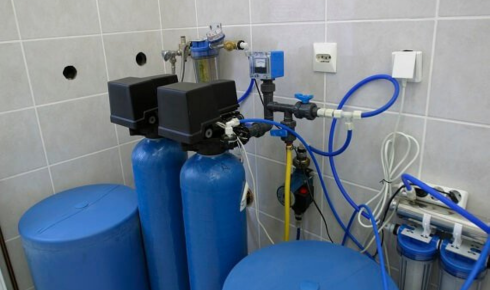
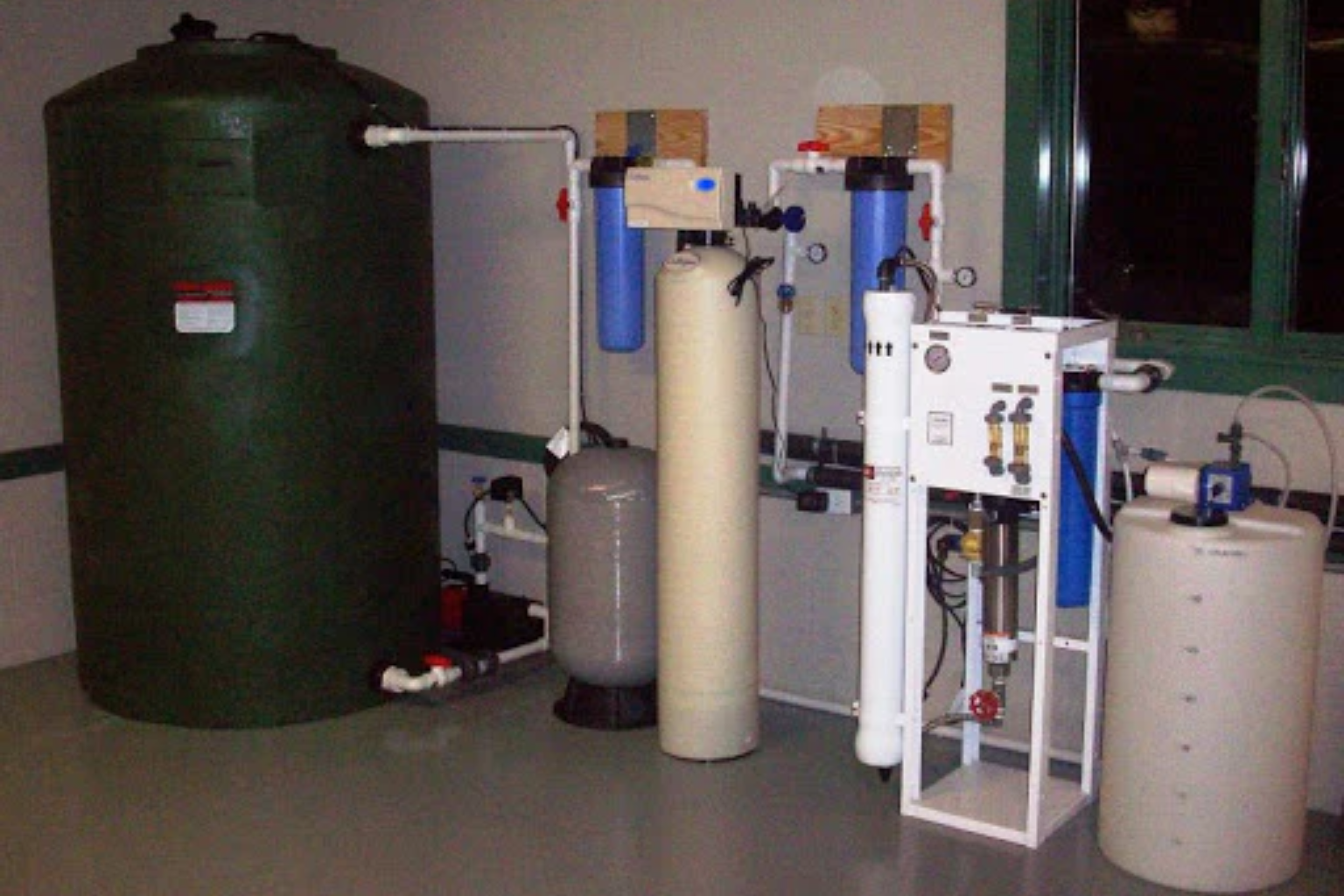
Activated carbon filters and reverse osmosis systems can reduce particulate matter in drinking water. While not specifically marketed for microplastics in every case, these systems provide an additional filtration layer.
Routine review of your local water quality report is another good habit. It helps you stay informed rather than relying solely on headlines.
If you use a private well, testing becomes even more critical. Municipal systems publish data regularly; private wells do not.
Keeping Perspective
Environmental awareness is a positive thing. It drives innovation, policy improvements, and better infrastructure. The fact that researchers are studying microplastics so closely is evidence of progress.
But it’s also important to keep perspective.
Puget Sound remains one of the most monitored marine ecosystems in the country. Regional water utilities invest heavily in watershed protection. Infrastructure improvements continue to evolve as new data emerges.
It’s okay to ask questions. It’s wise to stay informed. But it’s equally important not to let uncertainty overshadow the bigger picture.
Water You Can Trust — With Awareness
At the end of the day, water is foundational. It’s in your coffee mug, your pasta pot, your shower steam. It deserves attention — but not panic.
If you’re curious about microplastics, read local environmental reports. Review your city’s water quality data. Consider a home filtration system if it aligns with your comfort level.
And remember: detection isn’t the same as danger.
The Pacific Northwest has always valued its water — from mountain reservoirs to the deep blue of the Sound. Staying informed about emerging environmental issues is part of that stewardship.
But so is recognizing the systems already in place to protect what flows into your home.
Because when you understand the journey from watershed to faucet, that glass of water feels a little more grounded — and a lot less mysterious.