Let’s face it—when you think about what’s slowing your business down, water probably doesn’t even make the list. But what if it should?
You see, most of us take water for granted. It’s there, flowing from taps and machines, supporting everything from brewing coffee to keeping your HVAC humming. But if you’re running a restaurant, a hotel, a manufacturing plant—or heck, even a small office—there’s a quiet culprit you might be overlooking: poor water quality.
I didn’t believe it either, until I started noticing the little things. Like how the espresso machine in our café was getting clogged way more often than it should. Or how our laundry wasn’t coming out quite as fresh. Maintenance costs were inching up. Equipment life? Getting cut short. That’s when I realized: the problem wasn’t the machines—it was the water running through them.
Soften the Blow: A Look at Twin Tank Softeners
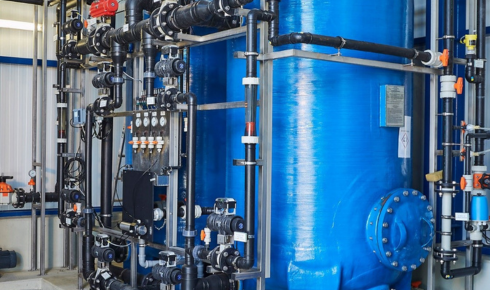
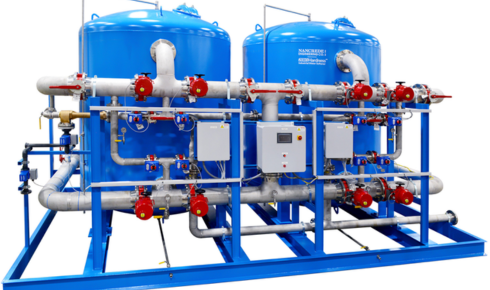
I’ll start with something we should’ve installed ages ago: twin tank softeners. These aren’t your run-of-the-mill softeners that take a nap while regenerating. Nope. With a dual-tank system, one tank’s always working while the other regenerates. That means uninterrupted soft water 24/7.
If you’re in an industry where downtime equals disaster, this is your hero. Imagine running a commercial kitchen that never runs out of soft water. No scaling. No soap scum. No unexpected breakdowns. It’s kind of magical.
And if you’re wondering, “Do I really need soft water for my business?”—just ask anyone who’s dealt with mineral buildup on heaters or spotty glassware from dishwashers. Soft water isn’t a luxury; it’s a necessity if you’re serious about performance and longevity.
Why Scale Is the Silent Killer (And What to Do About It)
Scale buildup is sneaky. It starts off as a faint white film and slowly turns into a layer of rock that clings to your equipment. It reduces efficiency, increases energy usage, and eventually causes breakdowns that’ll make your repair budget weep.
I’ve seen a boiler lose 20% of its efficiency just from limescale. That’s money down the drain—literally.
This is where heavy duty scale prevention comes into play. We’re not talking about some gimmicky gadget that clips onto a pipe and promises miracles. I’m talking robust, industrial-grade solutions like chemical injection systems, electromagnetic conditioning, or even reverse osmosis if your water’s particularly nasty.
Look, prevention isn’t cheap—but it’s a heck of a lot cheaper than replacing a thousand-dollar heater every six months.
The Bigger Picture: Business Water Quality Systems That Actually Deliver
The truth is, solving water problems one-off doesn’t cut it. You fix the dishwasher, the boiler goes. You clean the cooling tower, the humidifier starts acting up. It’s whack-a-mole with your wallet.
That’s why integrated business water quality systems are a game changer.
We finally invested in a whole-building setup that included sediment filters, UV sterilization, and softening—all tied into a digital control panel. It wasn’t plug-and-play (what in life ever is?), but once it was up and running, the difference was night and day.
Machines ran smoother. We used less detergent. We stopped replacing parts every few months. And get this—our water heater’s energy consumption dropped by over 10%. That’s not just operational win—that’s environmental impact too.
It’s worth noting that these systems aren’t just for mega-factories or fancy resorts. Even if you’re running a mid-sized office with a breakroom and some HVAC gear, you’ll benefit from better water. It’s one of those upgrades that pays off quietly over time.
The Unexpected Benefits That Nobody Talks About
You know what else happens when your water quality improves? Your people notice.
Coffee tastes better. Showers (in gyms or hotels) feel fresher. Laundry smells cleaner. Even the plants in your lobby perk up.
That may sound like fluff, but customer experience is everything. We had clients literally mention the water when reviewing their stay at our inn. Little details make big impressions—and clean, soft, safe water is one of those details.
Plus, your maintenance crew will thank you. No more emergency calls. No more frantic descales. Just smooth sailing, or at least fewer storms.
Choosing What Works for You (Not Just What’s Trendy)
Now, I won’t pretend every solution is right for every business. Some folks need ultra-pure water for manufacturing electronics. Others just want to protect a few commercial dishwashers. Your needs, location, and water source all play a role.
That’s why consultation matters. Don’t just buy the latest gadget some vendor’s hyping. Get your water tested. Look at your plumbing schematics. Consider your peak usage hours.
And don’t forget scalability. Your business will (hopefully) grow. Make sure your system can grow with it.
Let’s Wrap It Up: Water Quality Is a Business Strategy
I’ll be honest—when we first started fixing our water problems, I thought we were just avoiding maintenance bills. But now I see it differently.
Good water is good business.
It touches everything: the machines you rely on, the products you serve, the impression you leave, and the bills you pay.
Investing in quality systems isn’t about bells and whistles. It’s about building a business that lasts, runs efficiently, and leaves people impressed—even if they don’t know why their latte tastes smoother or the linens feel softer.
So if you’ve been putting off a water upgrade, don’t. Whether it’s twin tank softeners for nonstop soft water, heavy duty scale prevention to keep your gear alive, or complete business water quality systems that bring it all together—it’s time.