You turn on the tap, fill your glass, and take a sip without thinking much about it. After all, it’s just water—clear, clean, reliable, right?
Well, not always.
For a lot of people, that everyday glass of tap water carries more than just H₂O. It’s got minerals. Maybe a trace of chlorine. Sometimes metals. And while most of it isn’t harmful in small amounts, the total mix can start to add up. That’s where something called TDS comes into play—a number that’s small on paper, but big in meaning.
If you’ve heard of TDS before but don’t really get it (or if this is your first time hearing the term), don’t worry. You’re not alone. This isn’t a science class. Think of it more like a relaxed conversation with a friend who’s been through the filtered-water rabbit hole and wants to help you make sense of it all.
Let’s talk about what’s really in your water—and whether it’s something worth fixing.
So, What Is TDS Anyway?
TDS stands for Total Dissolved Solids. Sounds complicated, but the idea’s pretty simple: it’s the total amount of everything dissolved in your water that isn’t water itself.
We’re talking minerals like calcium and magnesium (which make your water “hard”), as well as sodium, potassium, chlorides, and sometimes even trace metals or chemicals. These substances aren’t floating around like sand or grit—they’ve dissolved completely, which is why they’re harder to detect.
The tap water TDS level is basically a snapshot of all these invisible ingredients added together. It’s measured in parts per million (ppm), and depending on where you live—and how your water is treated—your TDS number could range from pleasantly low to eyebrow-raising.
Understanding PPM in Water (Without Overthinking It)
Let’s talk numbers for a second, but I promise we’ll keep it light.
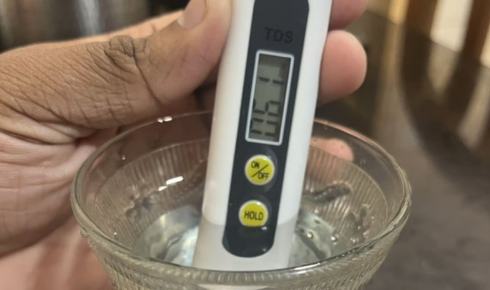
When people say “ppm,” they’re talking about “parts per million.” So if your TDS meter shows 300 ppm, that means there are 300 parts of dissolved solids for every million parts of water.
Now, here’s where it gets personal. The ppm in water varies based on your source:
- Less than 150 ppm: Generally considered excellent. Tastes clean. No major issues.
- 150–300 ppm: Still good for most people, though some may notice slight taste or scale buildup.
- 300–500 ppm: Common in many homes, especially with older plumbing or certain water districts. Safe, but it can start to feel “off.”
- 500+ ppm: Time to pay attention. That’s the range where water might taste metallic, smell weird, or leave stubborn residue behind.
Above 1,000 ppm? You’re likely dealing with well water, and at that point, testing and treatment become essential.
Is High TDS Dangerous?
Here’s where things get nuanced. TDS itself isn’t a health threat—it’s just a measurement. But depending on what’s dissolved in your water, high TDS can be a sign of other problems.
It could mean excess minerals. It could point to contamination (especially in private wells). Or it could just be harmless sodium or calcium that’s more of a nuisance than a hazard.
Taste and appliance wear-and-tear tend to suffer before your health does. But if you’re seeing scaling, strange flavors, or dry skin after a shower, TDS might be part of the story.
TDS Water Treatment: When and Why to Do It
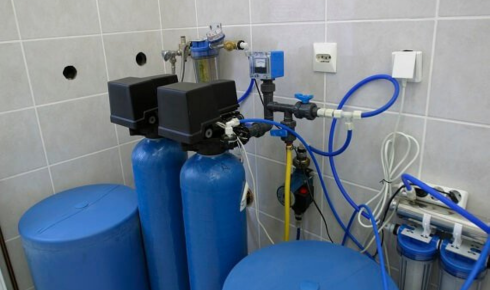
If your TDS levels are creeping up—or just annoying you—there are ways to bring them down. That’s where TDS water treatment systems come in.
Now, not every filter or softener will do the trick. Some only remove physical particles or reduce chlorine. To lower TDS, you usually need something a little more heavy-duty, like:
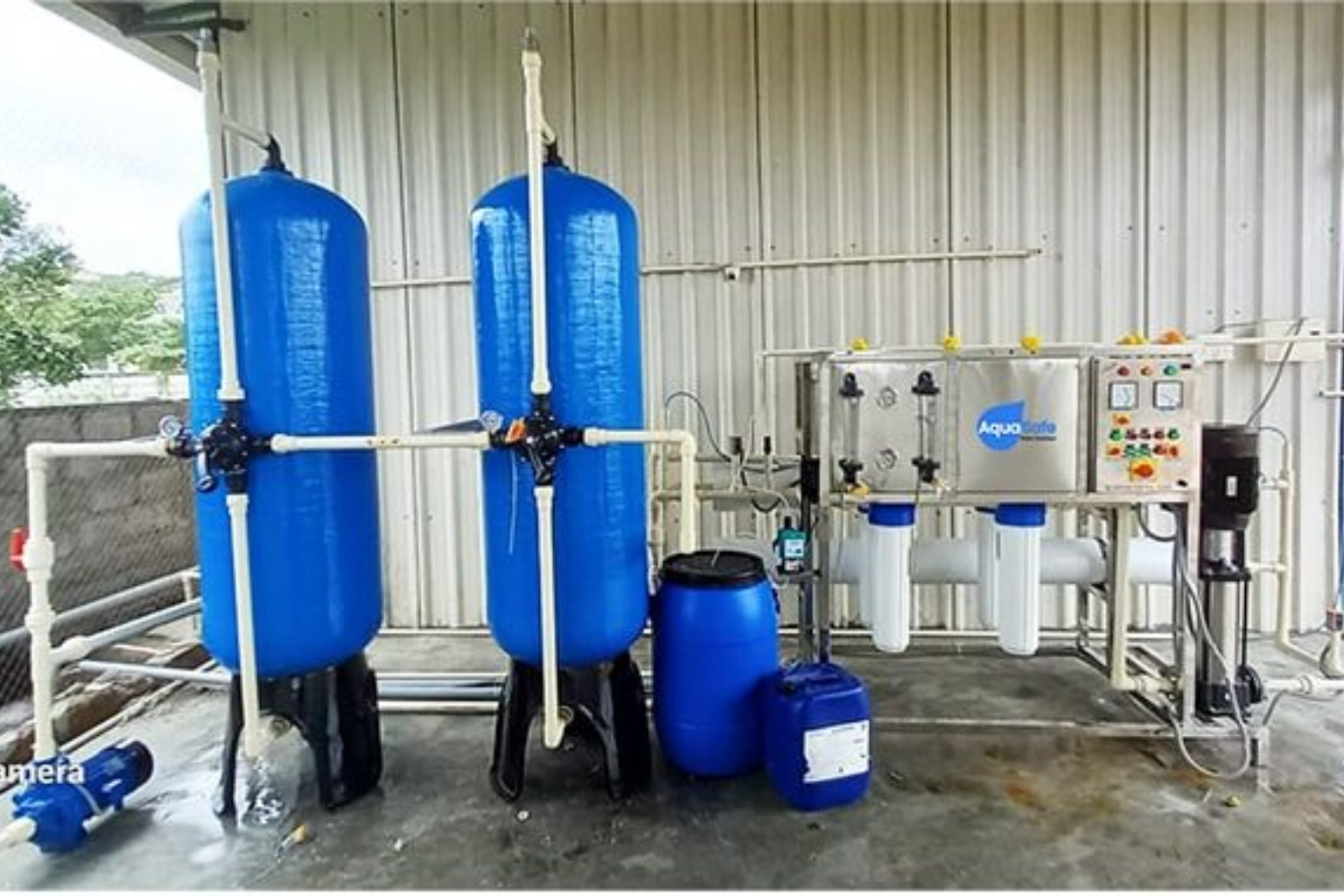
- Reverse osmosis (RO): One of the most effective methods. It removes most dissolved solids, including minerals and even contaminants.
- Deionization (DI): Strips ions from the water, reducing TDS drastically. Often used in labs or aquariums, but also in high-purity home systems.
- Distillation: Boils and re-condenses water, leaving most solids behind. Less common these days but still effective.
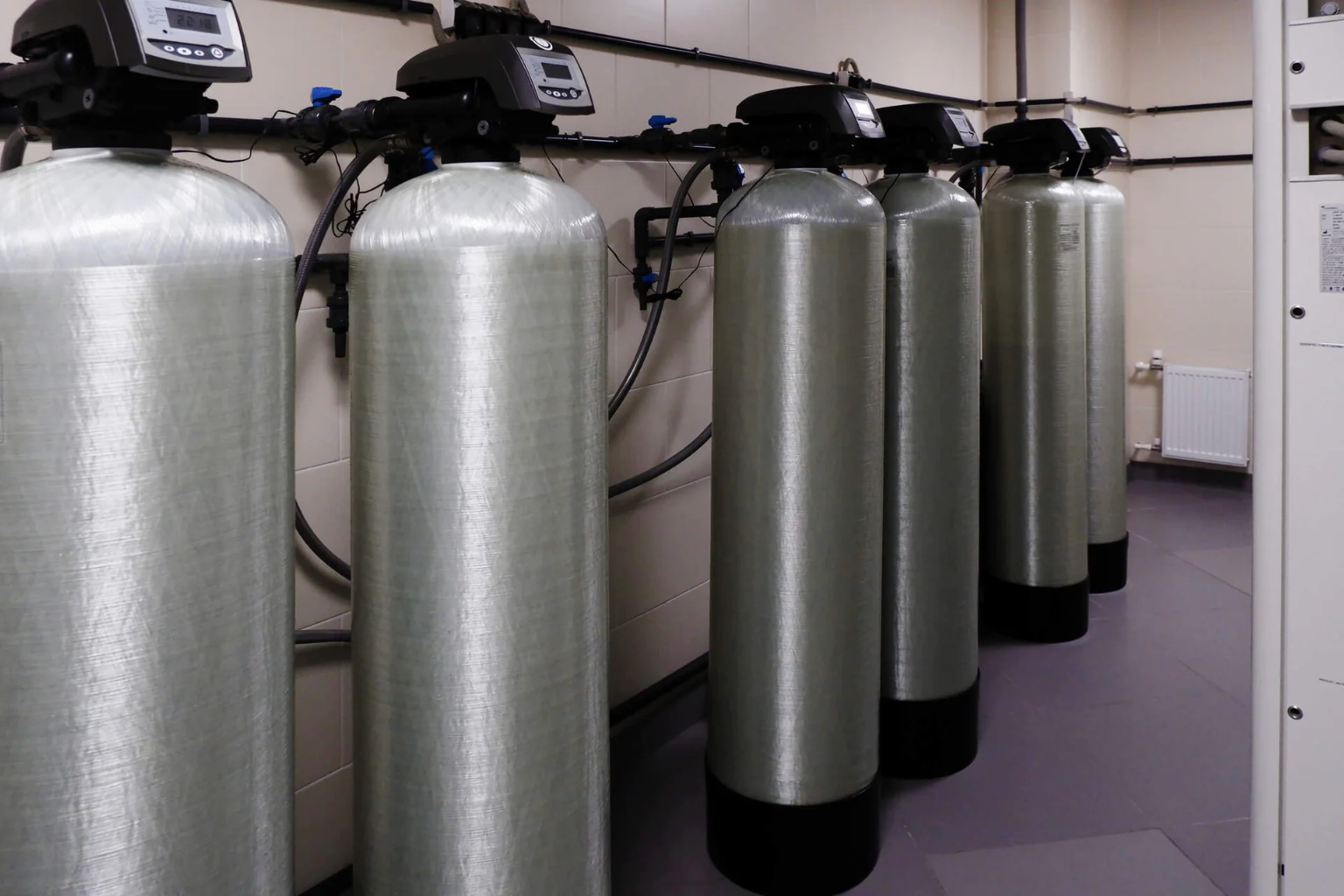
If you’re just dealing with taste or light scaling, a countertop RO system might be all you need. But if your water has sky-high TDS or unusual contaminants, a full-house solution might be the smarter investment.
Everyday Signs Your TDS Might Be Too High
Not everyone walks around with a water testing kit in their back pocket, but your home might be dropping subtle hints that something’s up. Here are a few telltale signs:
- Your water has a “chemical” or “metallic” taste
- You notice frequent limescale on faucets and showerheads
- Your tea or coffee tastes flat or off
- Your dishwasher leaves cloudy spots on glassware
- Your skin and hair feel dry, even with fancy soaps
Sound familiar? Then your TDS levels might be higher than you think.
Is Bottled Water Better?
Short answer? Not always.
Many bottled water brands still have high TDS levels—especially the ones labeled as “mineral water.” In fact, some premium waters brag about their high mineral content for taste reasons.
If you’re buying bottled water to avoid high TDS, look for brands that use reverse osmosis or say “purified water” on the label. And check the label for TDS numbers if they’re listed. (Spoiler: they usually aren’t.)
Ultimately, bottled water is a temporary fix. A long-term solution usually means treating your own supply at home.
What About Cooking and Plants?
If you’re a foodie or have a kitchen herb garden, TDS matters more than you’d think. Cooking pasta, rice, or soup in high-TDS water can subtly affect flavor. It might not ruin dinner—but if you’re chasing that chef-level finish, cleaner water helps.
Plants? They feel it, too. Some houseplants and seedlings are sensitive to excess salts and minerals. If your tap water leaves white crust on the soil or leaf tips start browning, high TDS might be the reason.
The Bottom Line: Don’t Panic, Just Get Informed
Total Dissolved Solids might sound technical, but it’s just one piece of the water puzzle. Knowing your TDS gives you a better understanding of what you’re drinking, washing, and cooking with.
And once you know your number, you don’t have to go overboard. You just make a plan.
For some folks, it’s a new filter. For others, a more comprehensive system. For most, it’s peace of mind—and water that finally tastes as clean as it looks.
Final Thoughts
You don’t have to become a water chemist overnight. But if you’ve ever wondered why your glass of tap water smells weird or your kettle’s full of white residue, TDS might be the quiet culprit.