It’s easy to take water for granted. You turn on the faucet, the water flows, and life carries on. But the moment your tap water starts tasting metallic, smelling like a public pool, or leaving crusty rings in your kettle, it becomes impossible to ignore. That’s when most people start Googling — filters, softeners, purifiers, and all the rest. And suddenly, the world of water treatment doesn’t seem so simple anymore.
The good news? You don’t need to become a plumbing pro or a chemist to understand what your home needs. With a bit of insight, a little curiosity, and maybe the right guide (like this one), you can turn that weird water situation into something you never have to worry about again.
Not All Water is Created Equal
Water can come from many sources—municipal supplies, private wells, rainwater tanks—and each source has its quirks. Maybe your tap water is loaded with minerals, maybe it’s treated with chlorine, or maybe it’s picking up sediment from aging pipes. Every home tells a different story, and that’s exactly why there’s no one-size-fits-all answer to water treatment.
One of the most reliable starting points for clarity—literally and figuratively—is exploring reverse osmosis solutions. These systems are the go-to for people who want truly purified drinking water, especially if your area’s water has a funny taste, odd smell, or a sketchy track record of contaminants. Reverse osmosis doesn’t just filter; it strips your water down to its cleanest, most basic form.
What About the Rest of the House?
Drinking water gets all the attention, but what about the water you shower in, cook with, or run through your dishwasher every day? You can have bottled-water-quality from the tap, but if the rest of your house is still fighting mineral buildup, you’re only winning half the battle.
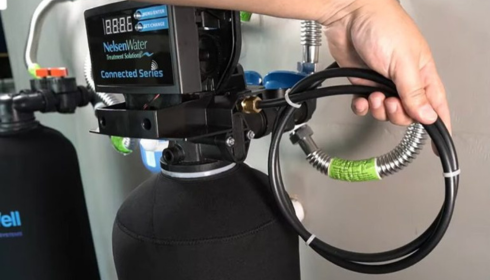
This is where water softeners installation makes a world of difference. Hard water—rich in calcium and magnesium—might not harm your health, but it can mess with your home in sneaky ways. Think dry skin, brittle hair, soap scum, clogged pipes, and appliances that burn out way too soon. A softener system conditions your water before it ever reaches your taps, helping your home run smoother and more efficiently.
And the best part? You feel the difference. Softer laundry. More lather from your shampoo. Skin that doesn’t itch after a shower. It’s one of those upgrades you wonder how you lived without.
The Full Package: Whole-House Harmony
Still, many homeowners get stuck in decision paralysis. They’ll ask, “Do I need just a filter? A softener? Something for the shower? One for the kitchen?” The honest answer? Probably some mix of those—but it doesn’t need to be complicated.
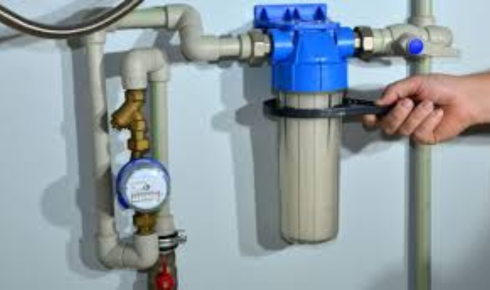
Modern systems are designed for exactly this situation, and whole house treatment setups are becoming increasingly common. These all-in-one solutions are tailored to your home’s size, water source, and specific issues—whether it’s sediment, chlorine, minerals, or even bacteria. You get targeted treatment without a mess of pipes, filters, or maintenance schedules.
More importantly, you’re solving problems at the source. Instead of chasing symptoms room by room, you’re installing a solution that covers every faucet, every appliance, and every drop.
Real Homes, Real Results
Imagine this: You invest in a treatment system. You pour yourself a glass of water, and it tastes… refreshing. Your tea doesn’t carry that chlorine tang anymore. Your shower leaves you feeling clean instead of sticky. You open the dishwasher, and your glasses aren’t cloudy. The clothes from your washer are soft again, not stiff.
That’s not marketing talk. That’s what happens when your water works with your home instead of against it.
Water quality isn’t just about science—it’s about comfort, peace of mind, and confidence in your everyday essentials.
The Money Side of Water
Here’s something most people overlook: water treatment isn’t just good for your health or comfort—it’s good for your wallet. Hard water can shorten the life of your appliances and jack up your utility bills. Scale buildup inside your heater means it works harder, costing you more month after month. The damage to plumbing? That adds up too.
Good systems pay for themselves over time. Fewer repairs. Longer appliance life. Lower soap and detergent use. Better efficiency. It’s one of those rare upgrades that hits all three sweet spots: comfort, cost, and cleanliness.
Choosing the Right Partner
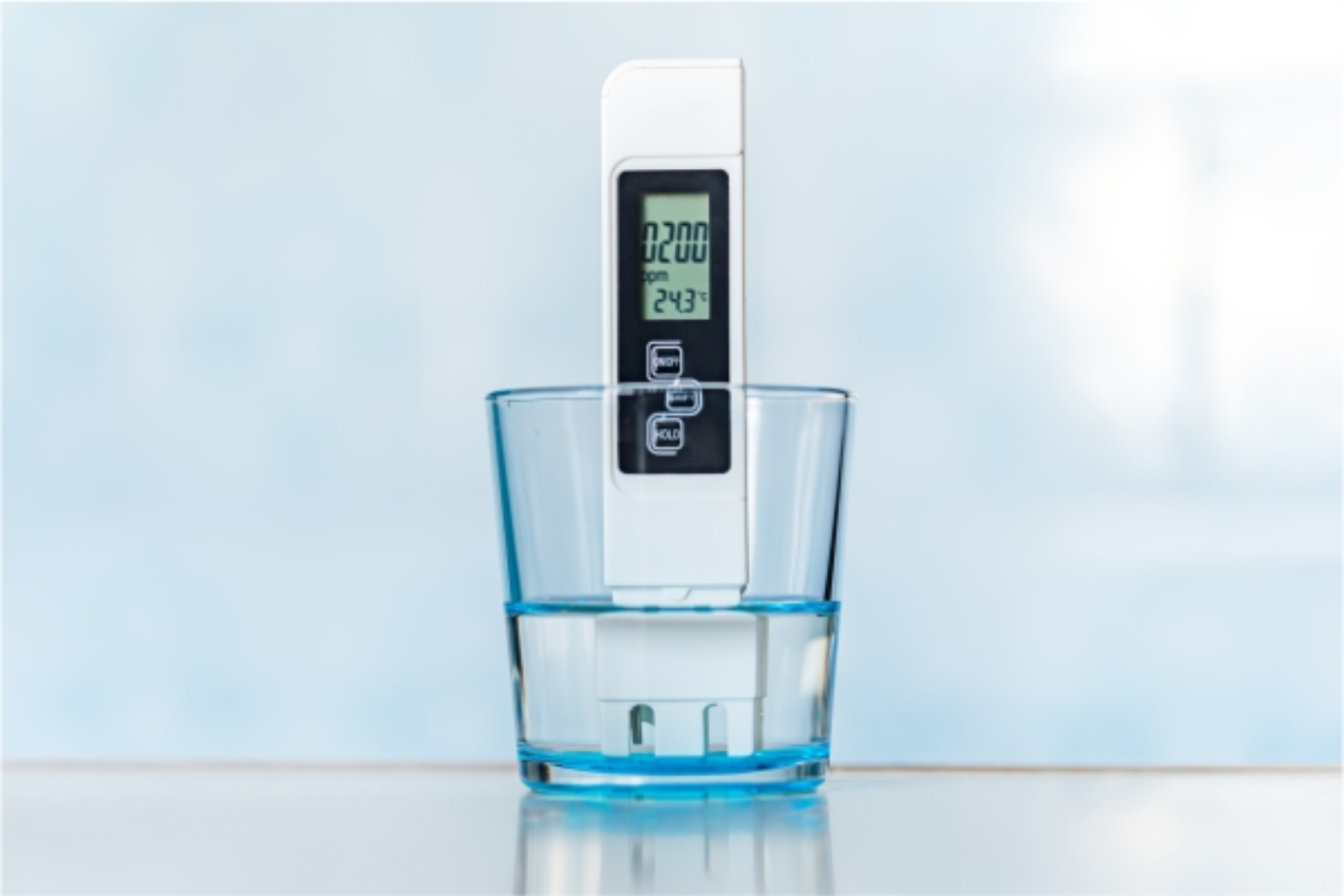
It’s worth saying—don’t DIY your water treatment based on random blog advice (well, unless it’s this one). Every home is different, and testing your water is step one. Many providers offer free or affordable water testing, giving you a real snapshot of what’s happening behind the scenes. From there, professionals can recommend a setup that’s not overkill but also not underpowered.
The goal isn’t to buy the most expensive system on the market. The goal is to get the right system. One that solves your problems and makes life easier, not more complicated.
In Closing: When Water Works, Life Flows
At the end of the day, water is something we all depend on. It touches every part of our daily routines, from brushing our teeth in the morning to boiling pasta at night. Shouldn’t it be clean? Comfortable? Safe?