There’s a moment—often after living in a space for a while—when you start noticing the little mismatches. A window that doesn’t quite open the way you’d like. A corner that stays darker than it should. Or that one room that never quite feels comfortable, no matter the season.
At first, it feels like a minor inconvenience. Something you adapt to. But over time, those small imperfections start to shape how you experience your home.
And that’s when you realize—maybe the problem isn’t the house. Maybe it’s the fit.
Not Every Home Is Built the Same
It’s easy to assume windows are a standard feature. You pick a size, a style, install it, and move on.
But homes aren’t uniform. They have quirks—different layouts, varying light exposure, unique structural details. What works perfectly in one space might feel out of place in another.
That’s where custom window solutions begin to make sense.
Instead of adjusting your expectations to fit what’s available, you adjust the windows to fit your home. It’s a subtle shift in thinking, but it changes everything.
Suddenly, that awkward space becomes functional. That dim room gets the light it needs. And those little frustrations? They start to disappear.
The Difference Between “Good Enough” and “Just Right”
There’s a difference between something that works and something that feels right.
Standard windows often fall into the first category. They do the job. They let in light, provide ventilation, and offer a view.
But when you tailor a solution to your specific space, the experience changes.
The proportions feel balanced. The light enters in a way that complements the room. Even the airflow feels more natural.
It’s not about making things perfect. It’s about removing the small inconsistencies that quietly affect your daily comfort.
Why Installation Matters More Than You Think
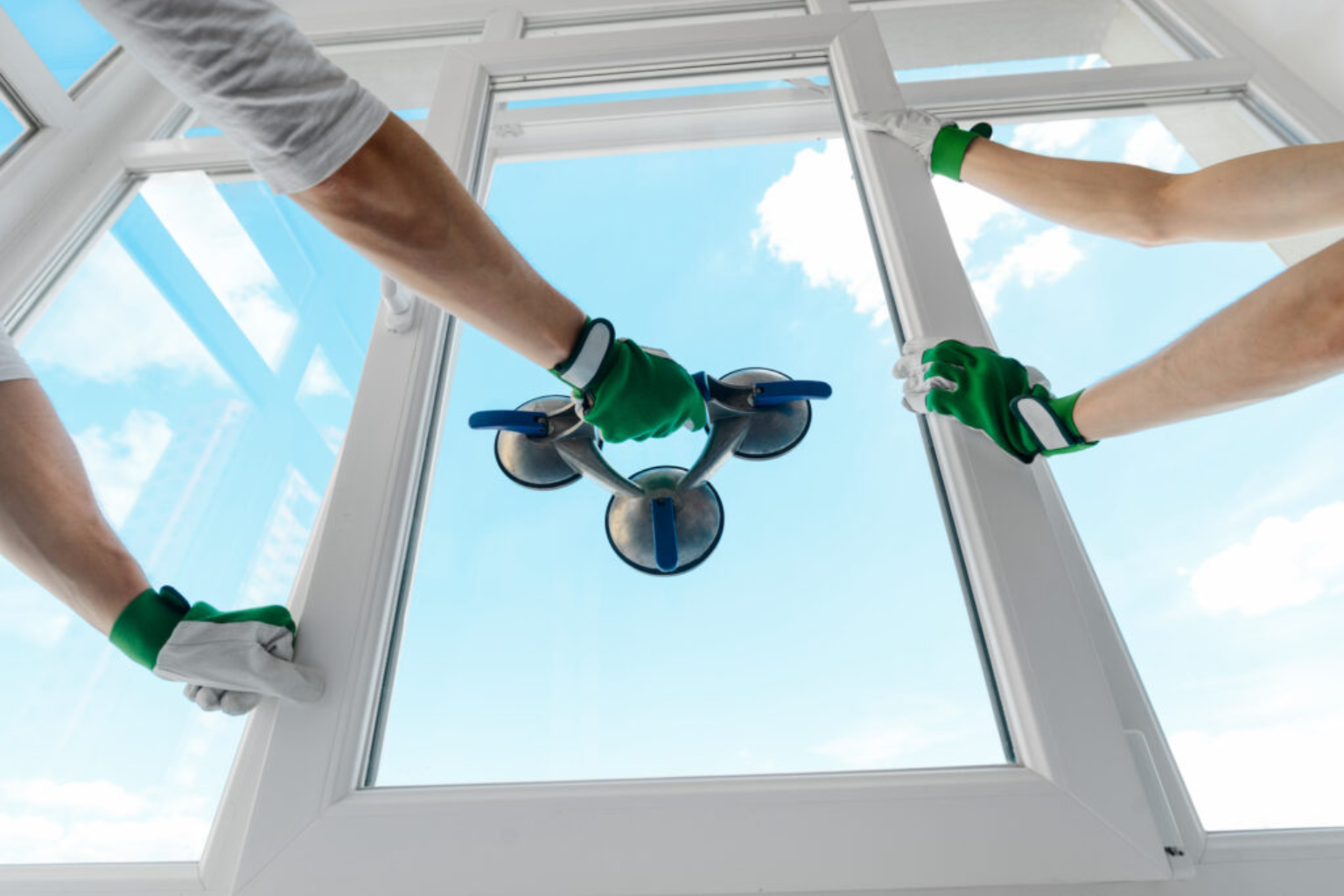
Here’s something people don’t always realize: even the best windows won’t perform well if they’re not installed properly.
Gaps, misalignment, poor sealing—these issues don’t just affect appearance. They impact insulation, security, and long-term durability.
That’s why secure installations are such a critical part of the process.
It’s not just about placing a window into an opening. It’s about ensuring everything fits tightly, seals correctly, and holds up against weather and time.
When installation is done right, you don’t think about it. There are no drafts, no rattling during storms, no subtle signs of wear appearing too soon.
It just works—quietly, consistently.
Light, Space, and How They Shape Your Home
Windows do more than connect you to the outside world. They shape how your interior feels.
A well-placed window can make a small room feel larger. It can soften harsh lighting or brighten a space that once felt closed in.
And when the design aligns with the structure of your home, the effect is even more noticeable.
You start to see your space differently. It feels more intentional, more cohesive.
It’s not about adding something new—it’s about enhancing what’s already there.
Comfort Isn’t Always About Temperature
We often think of window performance in terms of heat and cold. And yes, that matters.
But comfort goes beyond that.
It’s about how a room feels throughout the day. Whether you can sit near a window without noticing a temperature shift. Whether outside noise fades into the background instead of creeping in.
These are the details that define how livable a space feels.
And when windows are designed and installed with those details in mind, the improvement isn’t just noticeable—it’s lasting.
Balancing Design and Practicality
There’s always a balance to strike.
On one hand, you want windows that look good—something that complements your home’s style and enhances its overall appearance. On the other hand, you need them to perform well, to handle daily use and environmental exposure without constant maintenance.
The good news is, you don’t have to choose one over the other.
With the right approach, you can have both. Windows that feel right visually and function well over time.
It just takes a bit more thought upfront.
The Long-Term View Most People Miss
One of the most overlooked aspects of window upgrades is how they age.
It’s easy to focus on the immediate result—the clean look, the improved light, the initial comfort. But what happens after a year? After five?
Do they still perform the same way? Do they require frequent adjustments or repairs?
Thinking long-term doesn’t mean overthinking. It just means considering how today’s decision will hold up tomorrow.
And when you make choices with that perspective, the results tend to last.
When Everything Finally Fits
There’s a quiet satisfaction that comes from getting things right.
After new windows are installed, you might not notice a dramatic change all at once. But over time, the differences become clear.
Rooms feel more balanced. Light behaves differently. Comfort becomes more consistent.
And those small frustrations—the ones you used to ignore—are gone.
It’s not about transformation. It’s about alignment.
A Final Thought Before You Settle Again
If you’ve been living with windows that don’t quite meet your needs, it might be worth taking a closer look.
Not just at what’s available, but at what’s possible.
Because your home isn’t a standard template. It’s a space shaped by your habits, your preferences, your daily routines.
And when your windows reflect that—when they fit your home instead of forcing your home to adapt—the difference is more than functional.