
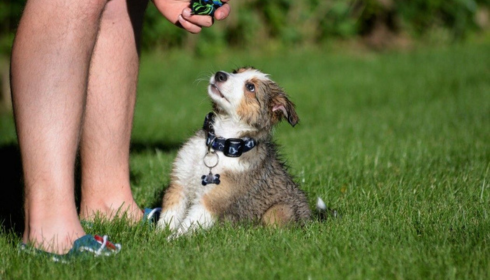
Bringing a new puppy home is an exciting and joyful experience, but it also comes with its fair share of challenges. Puppies are full of energy, curiosity, and, at times, mischief. Without the right guidance, small behavioral issues can quickly grow into long-term problems. This is where professional puppy trainers play a vital role. Their experience and knowledge provide structured training methods that help puppies develop good habits early, ensuring they grow into well-behaved, confident adult dogs.
Professional puppy trainers focus not only on teaching obedience but also on socialization, confidence-building, and creating a bond between the puppy and its human family. Early training is not just about commands it’s about shaping behavior, preventing future anxiety, and fostering a positive environment for learning.
Why Hiring Professional Puppy Trainers Matters
Professional puppy trainers offer expertise that cannot be replicated by casual online guides or generic advice. Puppies are unique individuals, and one-size-fits-all training often falls short. Here’s why investing in professional guidance pays off:
- Customized Training Programs: Every puppy has a distinct personality, learning pace, and temperament. Trainers assess each dog and design training plans tailored to their specific needs.
- Positive Reinforcement Methods: Professional trainers focus on reward-based training rather than punishment. Using treats, praise, and play encourages desirable behaviors without fear or stress.
- Early Socialization Skills: Puppies learn to interact with people, pets, and environments safely, reducing anxiety and aggression later in life.
- Preventing Problem Behaviors: Early guidance helps avoid destructive habits such as chewing, excessive barking, jumping, or potty accidents.
- Expert Knowledge of Breed-Specific Traits: Different breeds respond differently to training techniques. Experienced trainers understand these nuances and adjust methods accordingly.
Core Training Techniques Recommended by Professionals
Professional puppy trainers rely on strategies that balance patience, consistency, and engagement. These techniques are proven to yield long-lasting results:
1. Positive Reinforcement Is Key
Rewarding good behavior encourages repetition. Treats, verbal praise, and toys are far more effective than scolding. For example, when a puppy sits on command, immediate rewards reinforce the action.
2. Consistency Creates Predictability
Puppies thrive on routines. Establishing fixed schedules for feeding, potty breaks, playtime, and training helps them understand expectations and reduces confusion.
3. Short, Frequent Training Sessions
Puppies have limited attention spans. Training sessions of 5–10 minutes multiple times a day are more effective than long, tiring sessions that lead to frustration.
4. Early Socialization Is Essential
Professional trainers recommend gradual exposure to various people, pets, and environments. This helps puppies develop confidence and reduces fear-based behaviors. Socialization can include:
- Puppy playdates
- Controlled exposure to crowds
- Car rides and outdoor adventures
- Meeting dogs of different breeds
5. Clear Communication and Body Language
Dogs understand cues better through consistent signals, gestures, and voice tones. Trainers emphasize the importance of clarity, patience, and calm guidance.
6. Crate Training and Potty Training
Crates are not punishment they are safe spaces for puppies. Professional trainers show how to introduce crates positively and establish potty routines to minimize accidents and anxiety.
Common Puppy Challenges and Professional Solutions
Even with guidance, puppies may present challenges. Professional puppy trainers address these common issues effectively:
Chewing and Teething
Puppies explore the world with their mouths. Trainers recommend providing appropriate chew toys, rotating them to maintain interest, and discouraging destructive behavior gently but firmly.
Excessive Barking
Barking often indicates excitement, fear, or boredom. Trainers teach owners to redirect attention, use commands consistently, and reward quiet behavior.
Separation Anxiety
Many puppies struggle when left alone. Gradual desensitization and creating a positive association with alone time prevent destructive behavior and emotional stress.
House Training Accidents
Patience, routine, and positive reinforcement are crucial. Professional puppy trainers provide strategies like using potty mats, rewarding successful elimination, and recognizing signals before accidents happen.
Selecting the Right Professional Puppy Trainer
Choosing qualified professional puppy trainers ensures the puppy receives the best guidance:
- Check Certifications and Experience: Look for trainers with recognized credentials, years of hands-on experience, and knowledge of modern training techniques.
- Read Reviews and Testimonials: Hearing from previous clients provides insight into effectiveness, professionalism, and communication.
- Observe Training Methods: Ensure the trainer uses humane, positive reinforcement strategies rather than punishment-based techniques.
- Consider Specialization: Some trainers specialize in obedience, behavior modification, or specific breeds. Aligning the trainer’s expertise with your puppy’s needs is critical.
Benefits Beyond Obedience
Professional puppy trainers don’t just teach commands they improve the overall quality of life for both the puppy and owner. Benefits include:
- Improved Bonding: Structured training strengthens the human-puppy relationship, promoting trust and mutual understanding.
- Mental Stimulation: Training exercises challenge puppies’ minds, reducing boredom and behavioral issues.
- Confidence Development: Gradual exposure to new experiences builds self-assurance and adaptability.
- Long-Term Behavioral Success: Puppies trained early are less likely to develop aggression, anxiety, or destructive habits in adulthood.
Tips for Maximizing Training Success at Home
Even with professional guidance, owners play a crucial role. Experts recommend:
- Maintain Consistency: Follow daily routines and training cues consistently.
- Use Rewards Wisely: Treats, toys, and praise should reinforce good behavior, not replace discipline.
- Practice Patience: Puppies learn gradually. Mistakes are opportunities for gentle guidance rather than frustration.
- Stay Engaged: Incorporate training into everyday activities like walks, playtime, and feeding routines.
- Document Progress: Keeping track of milestones and behaviors helps adjust strategies effectively.
Understanding Puppy Development Stages
Professional puppy trainers structure training based on developmental stages:
- Neonatal (0–2 Weeks): Focus on warmth, nutrition, and gentle handling.
- Transitional (2–4 Weeks): Puppies begin interacting with littermates; trainers encourage early sensory stimulation.
- Socialization (3–12 Weeks): Critical for learning social cues, bite inhibition, and exposure to environments.
- Juvenile (3–6 Months): Emphasis on obedience, impulse control, and reinforcing learned behaviors.
- Adolescence (6–12 Months): Trainers refine skills, address emerging behavioral issues, and ensure social confidence.
Understanding these stages ensures training methods match the puppy’s developmental needs, increasing effectiveness and reducing stress.
Integrating Technology in Puppy Training
Modern professional puppy trainers often use tools and technology to enhance learning:
- Training apps to track progress and schedule sessions
- Clickers and remote trainers for reinforcement
- Video tutorials for owners to follow at home
- Online consultations to address specific behavioral concerns
These tools complement hands-on training, providing flexible, consistent guidance even outside formal sessions.
Conclusion
Investing in professional puppy trainers offers long-term benefits that extend beyond basic obedience. Puppies gain confidence, social skills, and behavioral discipline while forming strong, trusting bonds with their human families. For those seeking reliable guidance, choosing trainers who prioritize positive reinforcement, tailored programs, and developmental awareness ensures puppies thrive from day one. Early, structured training prevents common behavioral issues, enhances mental stimulation, and creates a happy, well-adjusted adult dog. Rob’s Dog Training professional puppy trainers are not just instructors they are partners in raising a companion that brings joy, loyalty, and harmony to any home. Starting training early sets the foundation for a lifetime of success.