Water rarely makes headlines in a company meeting. It’s not flashy like marketing campaigns or dramatic like supply chain delays. But in the background, it’s there—flowing through kitchens, production lines, cooling towers, laboratories, and breakrooms. Quietly essential.
When water quality slips, though, it doesn’t stay quiet for long. Equipment performance drops. Products lose consistency. Customers notice. Employees complain. And suddenly something as basic as water becomes a business issue.
That’s why more organizations are looking beyond basic filters and investing in serious, purpose-built systems designed for their specific operations.
The Real Cost of Poor Water Quality in Business
In a restaurant, water affects everything from coffee flavor to dishwashing efficiency. In a manufacturing facility, mineral content can interfere with precision equipment. In healthcare settings, purity standards are non-negotiable.
Hard water can create scale buildup in boilers and heat exchangers. Sediment can clog spray nozzles and valves. Dissolved solids can alter product outcomes in food and beverage production.
These aren’t theoretical problems. They’re maintenance tickets, downtime hours, and unexpected expenses.
When systems fail, productivity stalls. And time, as any business owner knows, is money.
Why Basic Filters Aren’t Enough
Residential filtration systems are built for modest, predictable demand. Commercial environments operate on a different scale.
A busy café might produce hundreds of drinks per day. A manufacturing plant might process thousands of gallons of water in a single shift. Hospitals and laboratories rely on consistent water chemistry around the clock.
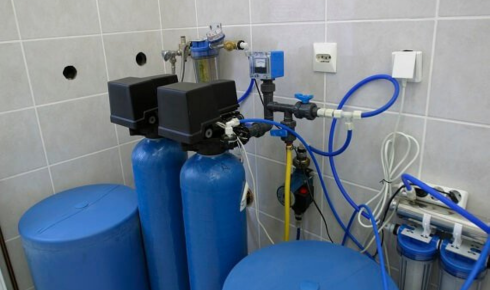
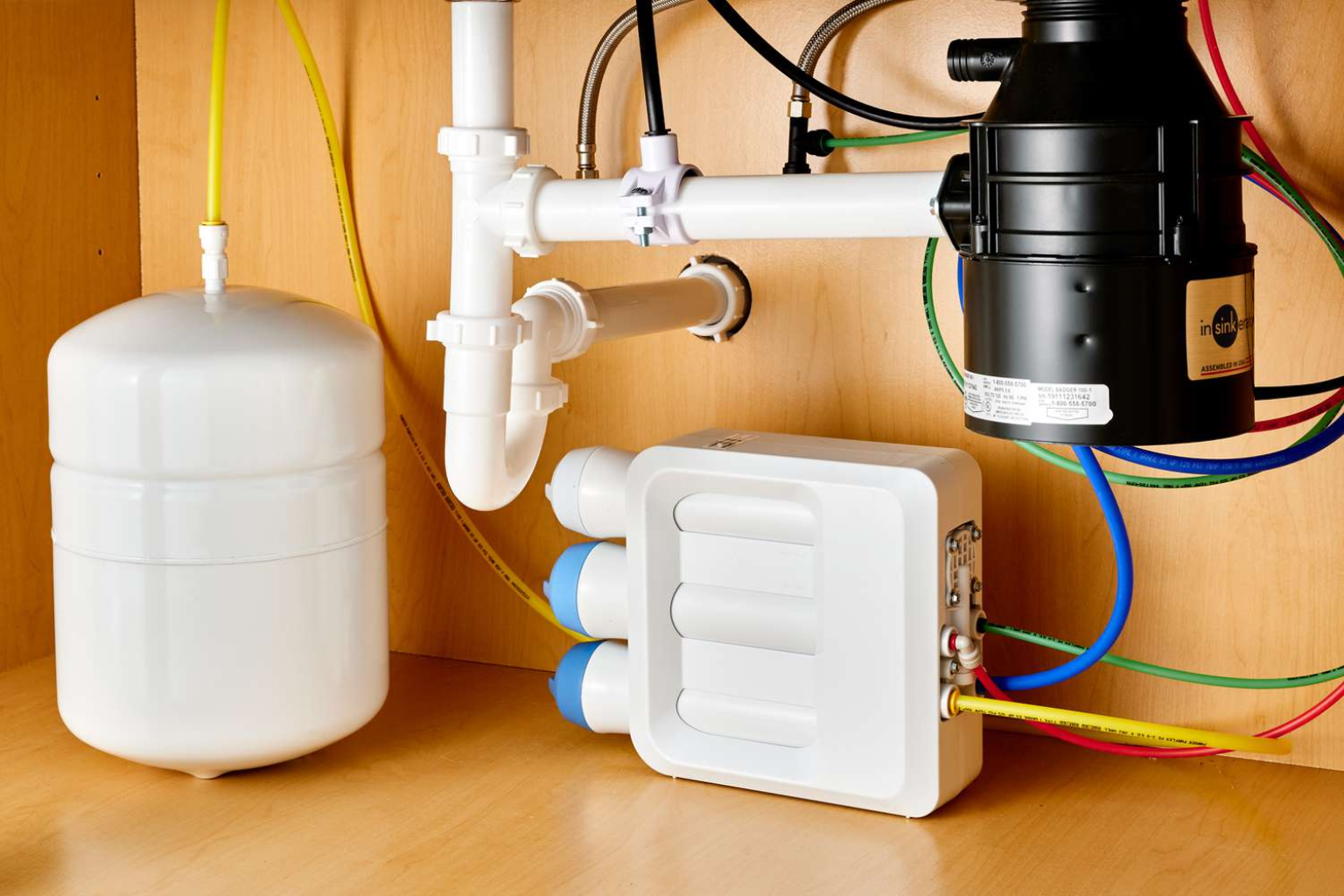
This is where commercial ro systems enter the picture. Reverse osmosis (RO) technology isn’t new, but in a commercial setting, it’s designed for volume, reliability, and durability.
These systems remove dissolved solids, contaminants, and impurities at a level far beyond simple carbon filtration. The result is consistent, high-quality water that supports operational precision.
For a business, consistency is everything.
Industrial Applications Require a Different Mindset
In industrial settings, water quality isn’t just about taste or clarity. It’s about performance.
Manufacturing processes often require precise mineral balances. Excess hardness can damage machinery. Impurities can compromise finished products.
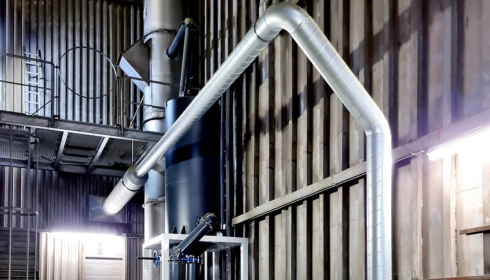
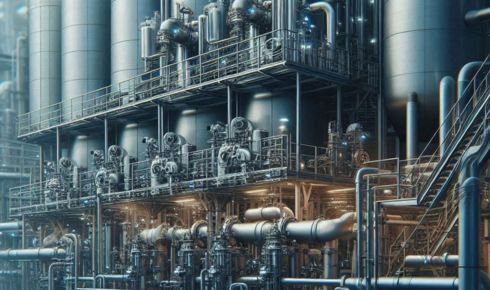
That’s why many facilities turn to industrial filtration solutions engineered specifically for their sector. These systems can include multi-stage filtration, high-capacity membranes, pre-treatment for sediment, and advanced monitoring technology.
Unlike residential setups, industrial filtration often integrates directly into larger operational systems. It becomes part of the production infrastructure, not an afterthought.
And when properly implemented, it runs quietly in the background—doing its job without constant intervention.
The Importance of Custom Design
No two businesses use water in exactly the same way.
A brewery has different requirements than a hospital. A car wash has different priorities than a pharmaceutical lab. Even two restaurants in the same city may face different water challenges depending on their supply source and plumbing infrastructure.
That’s why tailored systems matter.
Rather than installing generic equipment, companies benefit from water testing, needs assessment, and system design specific to their operational demands. This ensures appropriate capacity, filtration depth, and maintenance scheduling.
Customization prevents over-engineering—and underperformance.
Efficiency and Energy Considerations
Water quality doesn’t just affect product output. It influences energy consumption as well.
Scale buildup on heating elements reduces heat transfer efficiency. Boilers and chillers must work harder to maintain temperature. Over time, that strain increases utility costs and shortens equipment lifespan.
Proper filtration reduces mineral deposits, supporting energy efficiency and long-term savings.
For businesses with sustainability goals, improved water management aligns with broader environmental strategies.
Efficiency isn’t only about lighting and insulation. It’s about every system that consumes power—including water-based processes.
Maintenance, Monitoring, and Reliability
Installing a system is only part of the equation. Ongoing monitoring ensures consistent performance.
Commercial water systems often include automated diagnostics, pressure sensors, and scheduled maintenance plans. These features help identify issues before they escalate into downtime.
Preventive maintenance costs far less than emergency repair.
In business, predictability has value. Reliable water quality contributes to stable operations.
The Competitive Advantage of Consistency
Customers notice details.
In hospitality, they notice water spots on glassware. In coffee shops, they taste the difference in espresso. In manufacturing, quality control teams detect inconsistencies in finished products.
Water quality shapes these outcomes more than most people realize.
Investing in advanced filtration isn’t about luxury. It’s about protecting brand reputation and operational continuity.
When water works seamlessly, it supports every other part of the business.
Looking Ahead
Water challenges aren’t likely to disappear. Aging infrastructure, changing regulations, and evolving production demands mean businesses must stay proactive.
Companies that treat water management as strategic infrastructure—not just maintenance—position themselves for long-term resilience.
Because water touches everything.
It cools equipment. It cleans tools. It shapes flavor profiles. It supports sanitation. It influences efficiency.
And when properly managed through thoughtful system design, it becomes invisible again—the way essential systems should be.
In business, the most effective improvements are often the ones customers never see.
Smarter water filtration may not grab headlines. But it keeps operations flowing. And in today’s competitive environment, that’s exactly what matters most.