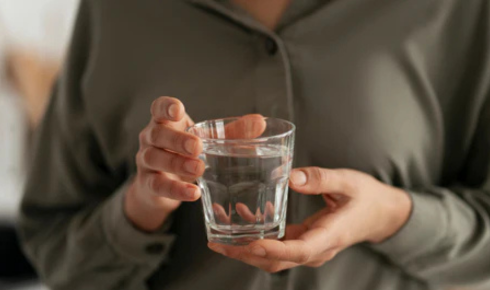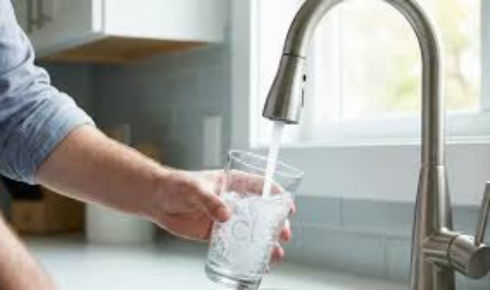
Ever turned on the tap for a refreshing glass of water, only to hesitate the moment it hits your lips—or nose? It’s a quiet, almost invisible issue for many households. Yet, something as simple as the way your water tastes or smells can say a lot about what’s actually going on behind the scenes in your plumbing, municipality, or even underground.
This isn’t a panic piece. But it is something more of us should be aware of. Because clean, good-tasting, odor-free water isn’t just about comfort—it’s about health, trust, and peace of mind.
When the Sip Turns Suspicious
Let’s face it, we don’t think much about our water until something goes wrong. That odd metallic tang. A strong bleach-like whiff. The strange film you feel on your tongue. It sneaks up—and then you can’t unnotice it.
A strange taste, odor or discoloration isn’t just a fluke. These are often signs that there’s something more going on, whether it’s due to aging pipes, chemical treatment imbalances, or naturally occurring minerals. Sometimes, it’s all of the above.
And while not all water irregularities are dangerous, some can be warning signs worth digging into.
Let’s Talk Chlorine: The Good, the Bad, the Overdone
Chlorine is one of the heroes of modern sanitation. Municipalities use it to kill off bacteria and viruses, and it’s been a major player in reducing waterborne diseases over the decades. But just like with most things in life—there can be too much of a good thing.
If your water smells like it just walked out of a swimming pool, you’re probably dealing with excess chlorine. Not only does this affect taste, but it can also irritate sensitive skin and eyes during showers. Worse, long-term exposure to high chlorine levels can potentially lead to health concerns, especially when combined with other compounds.
This doesn’t mean ditching chlorine altogether—but balance is crucial. Treatment plants aim for that balance, but variations can and do happen depending on infrastructure, weather, and even time of day.
It’s Not Just Chlorine — Let’s Break Down What Else Might Be in the Mix
Your water’s not just H₂O. Depending on where you live, what pipes it flows through, and how it’s treated, your drinking water might also contain:
- Iron and manganese – often responsible for rusty or metallic tastes.
- Sulfur compounds – the infamous “rotten egg” smell culprit.
- Organic matter – especially after heavy rains or flooding.
- Residual disinfectants – besides chlorine, things like chloramine can also be used.
Most of these are regulated and typically present in safe amounts. But when levels shift, your senses may pick it up before any official notices do.
What Safe Water Should Taste Like
Let’s paint a picture. Great water is…boring. And that’s a compliment.
It’s crisp, refreshing, maybe just a hint of sweetness or minerality depending on its source, but it shouldn’t taste like chemicals or trigger a face scrunch when you take a sip.
The idea of safe drinking water isn’t just about what’s not in it—it’s also about how it feels to consume every day. You should never second-guess a glass of water in your own home. And yet, many people do, without realizing they have options to address the issue.
Are You Filtering or Just Assuming?
Many people buy a filter jug or faucet attachment and assume the problem is solved. And yes, these can be helpful—especially for improving taste or removing minor contaminants.
But here’s the thing: not all filters are created equal.
Some only improve taste without truly removing harmful substances. Others might need more frequent changing than we realize. If you’re serious about understanding what’s in your water, start with a water quality report (often provided annually by your city), or better yet, get your water tested independently.
That funny smell or weird aftertaste? It might need more than a simple charcoal filter to fix.
What About Boiling Water? Is That Enough?
Boiling can kill off many types of bacteria or parasites, which is great in a short-term emergency. But it doesn’t remove chemical contaminants—and it certainly doesn’t help with things like chlorine or heavy metals. In fact, boiling can concentrate some contaminants further as the water evaporates.
So if you’re regularly boiling your tap water thinking it’s safer—you might be right in one sense, but missing the bigger picture.
Solutions That Actually Work
For persistent taste or odor issues, or if you’re just not comfortable with the state of your water, consider these options:
- Activated carbon filters – good for taste and odor, but must be maintained.
- Reverse osmosis systems – powerful, but may remove healthy minerals too.
- Whole-house filtration – more expensive upfront, but covers everything.
- Point-of-entry dechlorination systems – ideal if chlorine is your main concern.
You don’t need to overcomplicate things—but you do need to choose based on what’s actually going on in your home’s water supply. One-size-fits-all rarely works here.
What Your Nose (and Taste Buds) Are Telling You
We don’t give ourselves enough credit for noticing things. A slight shift in water flavor. A smell that seems off. That sensation that your coffee suddenly tastes different.
These subtle cues can be early indicators of bigger changes. Maybe your local water source switched treatment methods. Maybe your home’s pipes are corroding. Or maybe something upstream has impacted the water table.
Listen to your senses. They’ve evolved over thousands of years to keep us safe—even from invisible threats like water contaminants.
In the End, Water Shouldn’t Be a Gamble
At the end of the day, water is life. It fuels our mornings, our workouts, our meals, and everything in between. You shouldn’t have to second-guess every sip.
Whether it’s taste, odor, excess chlorine, or just a vague discomfort you can’t quite name—don’t ignore it. There are simple steps and smart solutions that can help restore your trust in the most essential element of your daily routine.
Because safe drinking water isn’t a luxury. It’s a right. And it starts with awareness.