Vehicle wraps have become one of the smartest ways for businesses and individuals to stand out without committing to permanent paint. Whether it’s a delivery van, a family SUV, or an entire fleet of company vehicles, a professionally designed wrap can completely transform the look of a vehicle while protecting its original finish. But if you’ve ever searched online for pricing, you’ve probably noticed one thing—there isn’t a single, universal answer.
That’s because every project is a little different. The size of the vehicle, the type of vinyl, the complexity of the design, and even where you live can influence the final price. Understanding these factors before making a decision helps you budget wisely and avoid unexpected costs down the road.
Why Vehicle Wrap Costs Can Vary So Much
One of the biggest misconceptions is that all vehicle wraps cost roughly the same. In reality, the difference between wrapping a compact sedan and a commercial box truck can be significant.
Larger vehicles naturally require more vinyl material and additional labor. Curved body panels, mirrors, bumpers, and intricate body lines also increase installation time. A clean, simple color change usually costs less than a wrap featuring detailed branding, gradients, photographs, or custom illustrations.
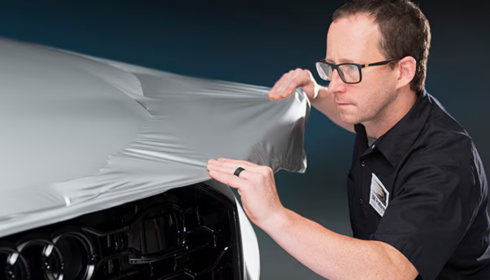
The installer’s experience also matters. Skilled professionals spend years learning how to stretch vinyl correctly, avoid bubbles, and ensure seams remain nearly invisible. Paying a little more for quality installation often saves money later by preventing peeling, lifting, or premature replacement.
Material Quality Makes a Difference
Not all vinyl films are created equal. Premium cast vinyl generally lasts longer, conforms better to curves, and resists fading from UV exposure. Economy materials may look attractive initially but often begin showing wear much sooner.
Businesses that rely on their vehicles every day usually see premium materials as an investment rather than an expense. A wrap that maintains its appearance for years projects professionalism every time it drives through traffic or sits in a customer’s driveway.
If longevity matters, don’t focus solely on the lowest price. Consider the expected lifespan, manufacturer warranty, and installation quality together.
Design Complexity Influences the Final Price
Some wraps involve nothing more than applying a single solid color. Others require hours of graphic design before installation even begins.
Custom branding typically includes logos, contact information, color matching, and layout adjustments to ensure everything aligns perfectly across doors, windows, and body panels. Vehicles with multiple advertising elements demand careful planning.
Many businesses choose to get pricing only after discussing their branding goals with the wrap company because the design process itself can affect the overall estimate. Spending extra time on a thoughtful design often delivers much better marketing results over the life of the wrap.
Full Wrap or Partial Wrap?
A full wrap covers nearly every painted surface of the vehicle, creating a completely new appearance. This option offers maximum visual impact and better paint protection.
Partial wraps, on the other hand, cover selected sections while allowing the original paint color to remain visible. They can still create an eye-catching design while reducing material and labor costs.
For small businesses working within a tighter budget, partial wraps often provide an excellent balance between affordability and brand visibility. Sometimes, clever design matters far more than covering every square inch.
Understanding vehicle wrap pricing
When researching vehicle wrap pricing, it’s helpful to remember that estimates aren’t simply based on square footage. Shops evaluate the entire project from start to finish.
A typical estimate often includes:
- Vehicle measurements
- Graphic design work
- Vinyl material selection
- Surface preparation
- Professional installation
- Edge sealing where needed
- Quality inspection after installation
Some shops also include removal of old graphics if your vehicle already has an existing wrap. Others charge separately, so it’s worth asking before committing.
Transparent pricing usually indicates a company that values communication and wants customers to understand exactly what they’re paying for.
Installation Quality Is Worth Paying For
Even the highest-quality vinyl can’t overcome poor installation.
Professional installers carefully clean every surface, remove contaminants, and prepare the vehicle before a single piece of vinyl is applied. Dust, wax residue, or tiny imperfections can affect adhesion.
Temperature-controlled installation environments also help ensure better results. A rushed installation inside an unsuitable workspace often leads to lifting edges, trapped air bubbles, or wrinkles that become noticeable over time.
It’s similar to building a house—great materials still need skilled craftsmanship.
Don’t Focus Only on the Cheapest Option
Everyone likes saving money, but choosing the lowest estimate isn’t always the smartest decision.
Some extremely low quotes exclude design revisions, warranty coverage, premium vinyl, or post-installation support. Others rely on inexpensive materials that require replacement much sooner.
Instead of comparing only dollar amounts, compare what each company includes. A slightly higher upfront investment may actually deliver greater value over several years.
This is especially true for businesses that depend on their vehicles to create first impressions every single day.
Why Personalized Estimates Matter
No two vehicles—or customers—have exactly the same requirements. That’s why reputable wrap companies usually prepare custom quotes after discussing project details instead of advertising one flat rate for every vehicle.
During the consultation, they’ll often ask questions such as:
- What type of vehicle do you own?
- Is it a personal or commercial wrap?
- Do you already have artwork?
- Are windows included?
- Do you need fleet branding?
- What’s your expected lifespan for the wrap?
These details allow installers to provide far more accurate estimates than generic online price lists ever could.
Long-Term Value Beyond Appearance
People often think wraps are purely cosmetic, but they provide several practical benefits too.
Quality vinyl helps shield factory paint from minor scratches, road debris, sunlight, and everyday wear. For leased vehicles or business fleets, maintaining the original paint condition can improve resale value later.
Commercial wraps also work as moving advertisements. Unlike traditional advertising that disappears once a campaign ends, a wrapped vehicle promotes your business wherever it travels—parking lots, neighborhoods, highways, and customer locations alike.
That kind of visibility continues every day without monthly advertising fees.
Final Thoughts
Choosing a vehicle wrap isn’t just about comparing prices online. It’s about understanding what goes into the project, selecting quality materials, working with experienced installers, and investing in a design that truly reflects your personality or brand.
The cheapest option may save money today, but the best value usually comes from careful planning and professional craftsmanship. When you understand the factors behind pricing, you’re much better prepared to make a confident decision.
A well-designed wrap doesn’t simply change how a vehicle looks—it changes how people notice it. And sometimes, that first impression is worth far more than the price printed on the estimate.