Keeping Communities Clean: Practical Waste Management for Public Facilities and Local Neighborhoods
A Saturday afternoon at the neighborhood park should be about enjoying fresh air, spending time with family, and perhaps sharing a picnic. Nobody wants to arrive and discover overflowing garbage bins, scattered food packaging, or discarded materials near the playground. Unfortunately, these problems can develop surprisingly quickly when waste collection arrangements don’t match public demand. […]
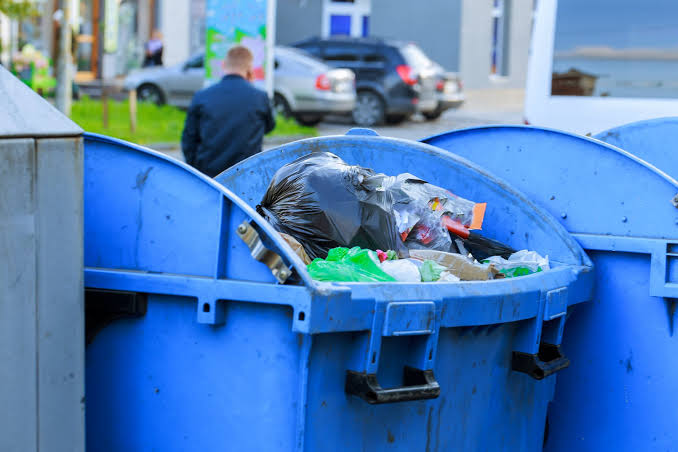
A Saturday afternoon at the neighborhood park should be about enjoying fresh air, spending time with family, and perhaps sharing a picnic. Nobody wants to arrive and discover overflowing garbage bins, scattered food packaging, or discarded materials near the playground. Unfortunately, these problems can develop surprisingly quickly when waste collection arrangements don’t match public demand.
Dependable municipal waste collection helps maintain cleaner neighborhoods, supports public sanitation, and ensures that everyday garbage is removed before it becomes a persistent community concern.
Behind every successful collection program is a combination of thoughtful planning, suitable equipment, and people who understand the community’s changing needs.
Getting these elements right makes public spaces more enjoyable while helping municipalities manage their resources responsibly.
Understanding the Different Waste Needs of Public Facilities
Public buildings and recreational spaces generate waste in considerably different ways. Libraries may produce mostly paper and packaging, recreation centers often deal with food containers and beverage bottles, while public maintenance departments may need to dispose of approved landscaping and construction debris.
Developing effective public facility waste solutions involves understanding these differences and establishing collection arrangements that reflect how each property is actually used.
A community center hosting several events every weekend will probably need more disposal capacity than a small administrative building.
Container placement also deserves attention. Garbage bins should be conveniently accessible without obstructing entrances, walkways, or emergency access routes.
Regular inspections help identify situations where existing containers are insufficient or collection schedules need adjusting.
Sometimes, moving a container to a more convenient location can make a surprisingly noticeable difference in how visitors dispose of their waste.
Managing Extra Waste During Community Projects
Not every waste collection requirement follows a predictable schedule. Public building renovations, neighborhood cleanup campaigns, and community improvement projects can generate substantial amounts of unwanted material within a short timeframe.
Arranging temporary dumpster solutions gives municipalities and facility managers additional disposal capacity without permanently increasing their regular collection commitments.
Consider a town organizing a spring cleanup event. Volunteers might collect damaged furniture, discarded packaging, and other approved debris from several neighborhoods.
Having appropriately sized containers available helps keep everything organized and allows volunteers to concentrate on the cleanup itself.
Before arranging dumpster delivery, planners should consider the expected volume and weight of materials, available placement space, and collection timing.
Special waste may require separate handling, so confirming accepted materials beforehand is particularly important.
A well-organized disposal arrangement can make community projects feel considerably less overwhelming.
Why Collection Schedules Should Reflect Actual Demand
An effective collection schedule isn’t necessarily one that treats every location exactly the same.
A busy public park may require more frequent servicing during summer weekends, while a quieter municipal office might generate relatively little garbage throughout the week.
Following identical collection schedules for both locations could result in overflowing bins in one area and unnecessary collection trips in another.
Municipal departments can improve efficiency by monitoring container fullness, reviewing visitor patterns, and responding to seasonal changes.
Public events deserve particular consideration. Festivals, sporting competitions, and holiday celebrations can create temporary increases in waste that ordinary collection arrangements aren’t prepared to handle.
Planning additional capacity before these events begin helps prevent uncomfortable situations afterward.
It’s much easier to organize extra collection in advance than deal with scattered garbage once hundreds of people have returned home.
Encouraging Responsible Waste Disposal in Public Spaces
Most people are willing to dispose of their garbage responsibly when doing so is convenient.
However, confusing signs, poorly positioned containers, and overflowing bins can discourage participation.
Municipalities can support better habits by providing clearly labeled disposal containers in locations where visitors naturally generate waste.
Recycling stations near picnic areas, public buildings, and recreational facilities may help recover accepted materials that would otherwise enter general garbage containers.
Clear instructions are essential because recycling guidelines vary depending on available processing facilities.
Community education can also make a difference. Schools, local organizations, and neighborhood associations can encourage responsible disposal through awareness campaigns and cleanup activities.
These efforts don’t have to be elaborate. Sometimes, straightforward signs and conveniently located containers accomplish more than lengthy educational campaigns.
Protecting Public Spaces From Improper Dumping
Discarded mattresses, broken appliances, and unwanted construction materials occasionally appear in places where they simply don’t belong.
Improper dumping creates cleanup expenses, damages the appearance of neighborhoods, and may introduce environmental or safety concerns.
Providing accessible disposal alternatives can help address this problem.
Scheduled bulk waste collections, designated drop-off facilities, and special community disposal events give residents practical options for removing unwanted materials responsibly.
Clear information about these services is equally important.
Residents should understand which materials are accepted and how to handle items such as batteries, chemicals, and electronic equipment that may require specialized disposal.
Making responsible disposal easier is often an important step toward reducing persistent dumping problems.
Getting Better Value From Municipal Waste Budgets
Local governments must balance waste management expenses with numerous other community responsibilities.
Collection vehicles, staffing, fuel, equipment maintenance, and disposal charges all contribute to ongoing costs.
Reviewing collection routes and container utilization can help municipalities identify opportunities to improve efficiency.
When working with outside service providers, clear pricing, dependable scheduling, and responsive communication deserve careful consideration.
The objective isn’t simply to reduce expenses. It’s to deliver consistent service while making responsible use of public funds.
Creating Public Spaces Everyone Can Appreciate
Clean neighborhoods and welcoming public facilities are the result of consistent effort rather than occasional large cleanup projects.
Municipal departments, waste service providers, local businesses, and residents all contribute to maintaining shared environments.
By choosing suitable containers, planning collection schedules around actual demand, and encouraging responsible disposal, communities can create more comfortable places to live and visit.
Waste management may rarely attract much attention when everything works properly. But its influence is everywhere, from the playground where children spend their afternoons to the quiet residential street people are proud to call home.